Temp Music in Film: How Temporary Scores Shape Editing, Emotion, and Final Soundtracks
When you hear a dramatic string swell in a movie trailer or a pulse-pounding beat during a chase scene, you might think it’s the final score—but it’s probably temp music, a temporary soundtrack used during editing to guide tone, rhythm, and emotional impact. Also known as temporary soundtrack, it’s the invisible hand that shapes how a film is cut, pitched, and even scored.
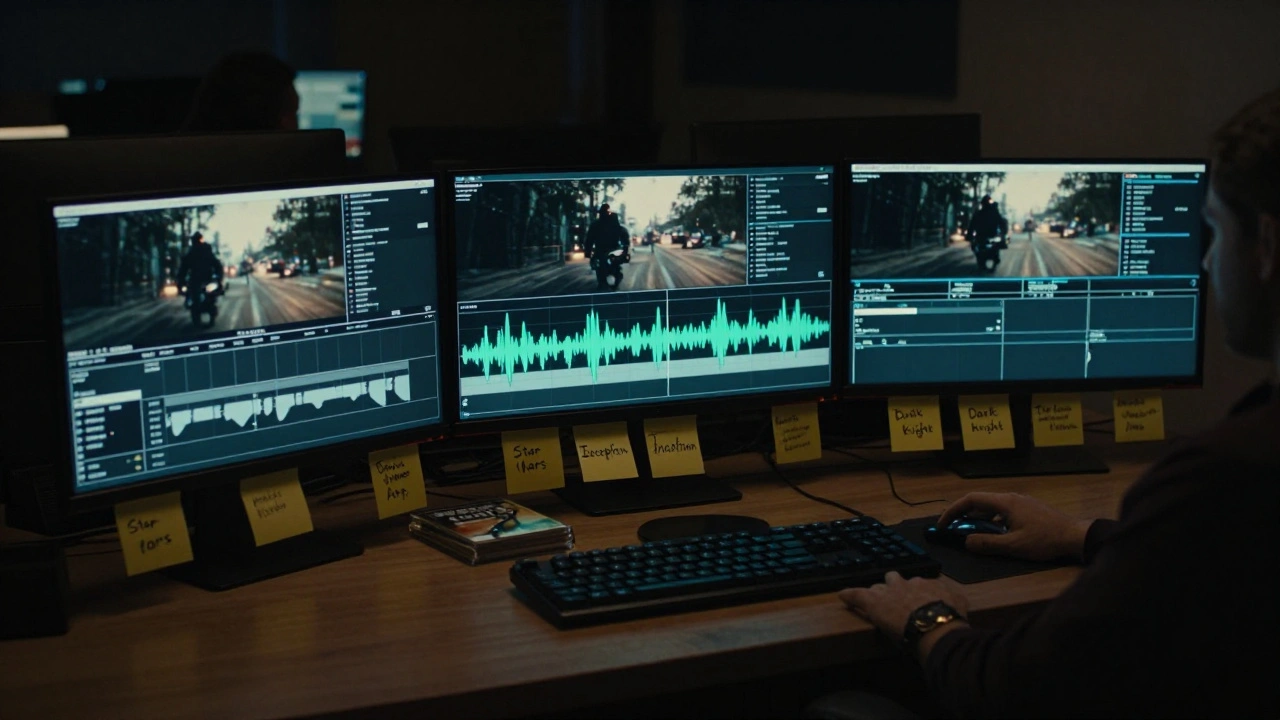
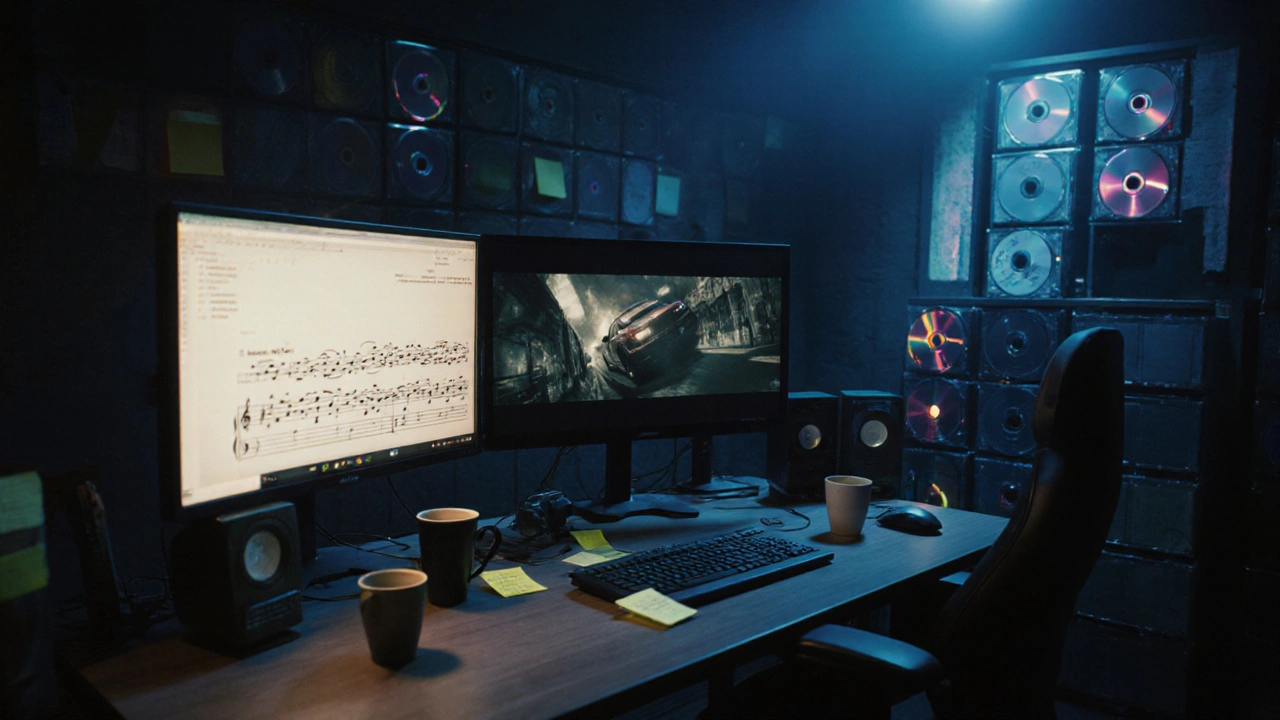
Temp music isn’t just background noise—it’s a tool editors and directors use to lock in pacing. If a scene feels too slow, they’ll swap in a faster track. If a moment needs tension, they’ll loop a Hans Zimmer cue. Studios often use temp music to show investors what the film should feel like, and sometimes, that temp track becomes the target the composer is forced to match. It’s why you hear the same piece of temp music in three different movies—it’s not plagiarism, it’s a shared emotional reference point. The film scoring, the process of creating original music for a movie often starts with a temp track that’s already embedded in the edit, making it harder for composers to break free from its influence. Even when the final score is completely different, the rhythm, timing, and emotional beats were first set by that temp music.
Temp music also affects how audiences react before the final version even exists. Test screenings use temp scores to gauge emotional responses. If a scene doesn’t land with the temp track, the filmmakers know something’s off—maybe the cut is too long, or the acting needs tweaking. It’s not about copying music—it’s about using proven emotional triggers to fix problems before they’re locked in. The movie editing, the process of assembling footage into a coherent narrative team relies on temp music like a metronome, and the sound design, the art of crafting audio elements to support storytelling team uses it to time explosions, footsteps, and silence with precision. You won’t hear temp music in the final film, but you’ll feel its fingerprints everywhere.
What you’ll find below are real stories from filmmakers who’ve battled temp music, used it to their advantage, or ended up stuck with a track they couldn’t shake. From indie shorts to big studio releases, these posts show how temp music isn’t just a stepping stone—it’s a silent director in the editing room.