Sound Design in Film: What It Is and How It Shapes Your Movie Experience
When you hear the crunch of glass underfoot in a thriller, or the distant hum of a spaceship before it appears on screen, that’s not luck—that’s sound design, the craft of creating and arranging all non-musical audio elements in a film to enhance storytelling and emotion. Also known as audio design, it’s the invisible hand that pulls you into the world on screen.
Sound design isn’t just about adding explosions or footsteps. It’s built from layers: ambient noise, environmental textures, mechanical sounds, and the carefully crafted Foley art, the process of recreating everyday sounds in sync with on-screen action, like rustling clothes or clinking glasses. These aren’t random recordings—they’re timed, pitched, and layered to match the rhythm of the scene. A door slam isn’t just loud; it’s tuned to feel heavy, urgent, or eerie based on the story. And then there’s sound effects, the artificial or enhanced audio elements that don’t exist in real life, like laser blasts or dragon roars. These are often built from scratch using field recordings, synthesizers, or even household objects manipulated beyond recognition.
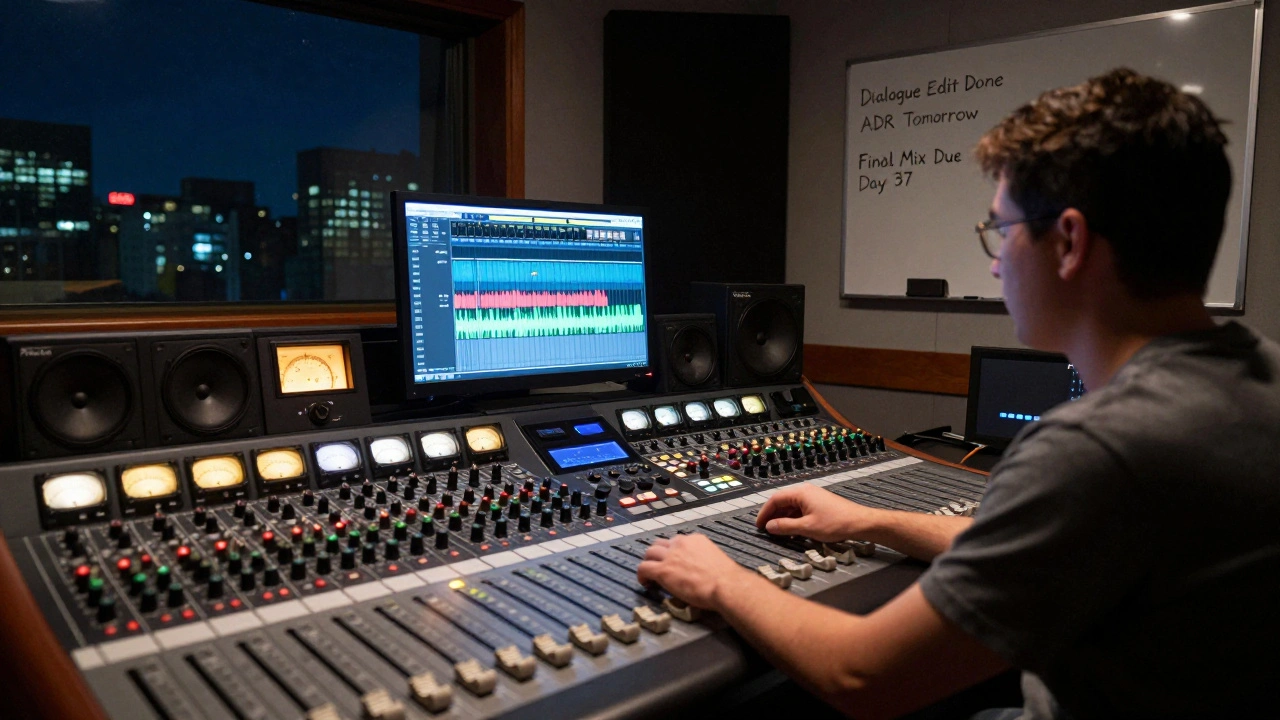
Behind every great film, there’s a team of sound designers working in silent rooms, editing waveforms, and balancing frequencies so that silence speaks as loudly as a gunshot. It’s not just about volume—it’s about space. How far away does the rain sound? Is the echo in the hallway realistic, or stretched to feel haunted? Even the way a character’s breath changes during a chase scene is designed to make you feel their panic. This is audio post-production, the final stage where all sound elements—dialogue, music, effects—are mixed, cleaned, and mastered for theaters and streaming platforms. It’s where a rough cut becomes immersive.
What you’ll find in these articles isn’t theory—it’s real-world breakdowns. You’ll see how sound design turned a quiet room into a tense standoff in a microbudget indie, how a single rustle of fabric became the key to a character’s fear, and why some films use silence as a weapon. You’ll learn how tools like Blender and open-source software are letting indie teams build Hollywood-level audio without expensive gear. And you’ll see how sound choices in streaming documentaries or animated films shape how audiences connect with stories—sometimes more than the visuals do.