Production Liability in Film: What It Means and How It Affects Indie Projects
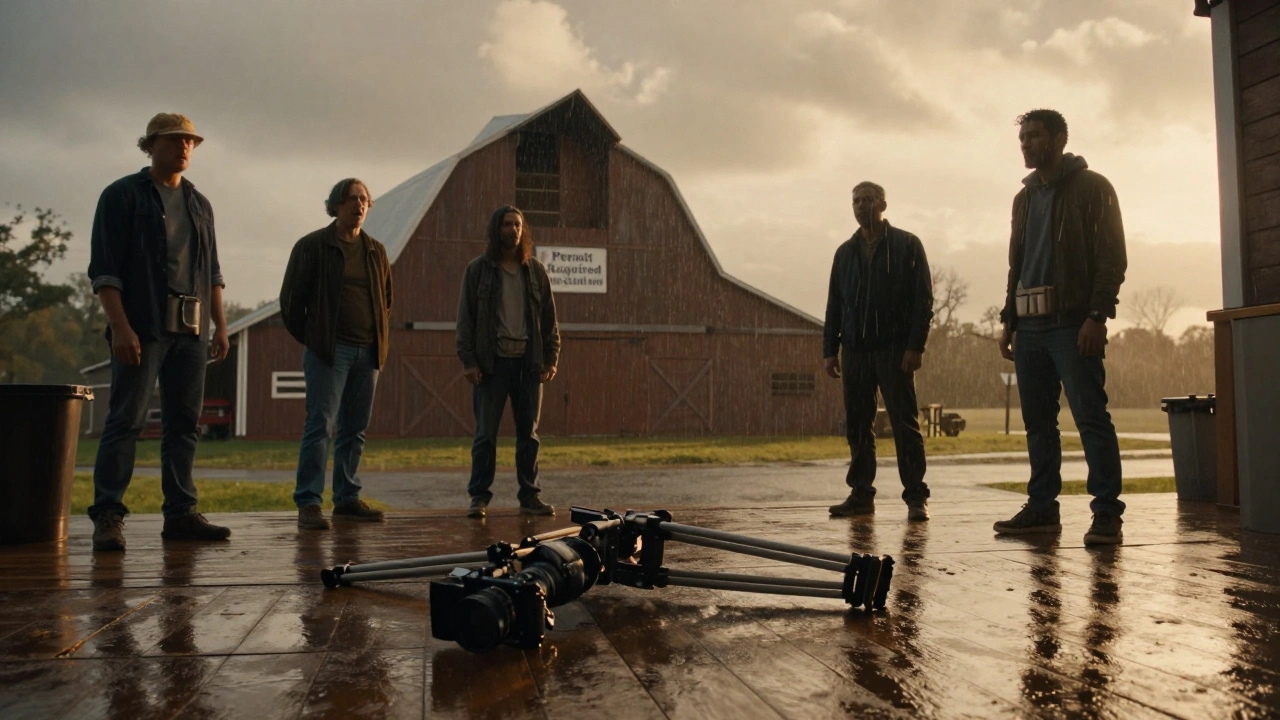
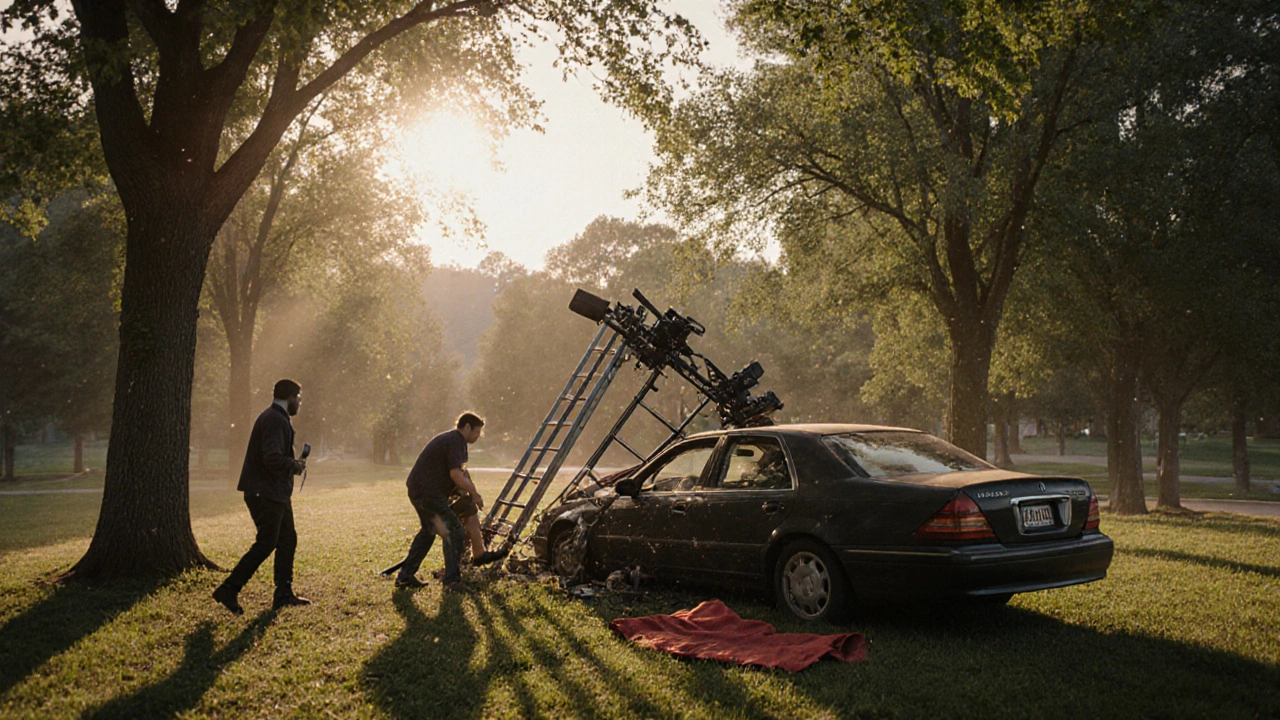
When you hear production liability, the legal and financial responsibility filmmakers carry for accidents, damages, or injuries during filming. Also known as film production insurance, it’s not just a formality—it’s the safety net that keeps crews working and studios from going bankrupt. Without it, a single slip on set, a broken camera, or a lawsuit from a location owner can wipe out a low-budget film before it even finishes shooting.
Most big studios buy blanket policies that cover everything from stunt injuries to weather delays. But for indie filmmakers, production liability, the legal and financial responsibility filmmakers carry for accidents, damages, or injuries during filming. Also known as film production insurance, it’s not just a formality—it’s the safety net that keeps crews working and studios from going bankrupt. is often skipped to save cash. That’s why so many indie films rely on deferrals, agreements where crew members accept delayed or partial payment until the film earns revenue. Also known as back-end points, they’re a gamble: work now, hope for pay later.. It’s a dangerous trade-off. If someone gets hurt and there’s no insurance, the producer personally owes medical bills. If a location gets damaged, they’re on the hook for repairs. And if a union crew member files a claim, the whole project can be frozen until legal issues are cleared.
This isn’t theoretical. Look at films like Everything Everywhere All at Once or My Left Foot—they won Oscars, but they didn’t win because they had big budgets. They won because their teams knew how to manage risk. They used limited release, a strategy where a film opens in a few theaters to build buzz before expanding. Also known as platform release, it’s a way to test audience response without overspending. They planned co-production budgets, financing structures that combine funds from multiple countries, often affected by currency exchange rates. Also known as international film financing, they help spread financial risk across borders to avoid FX shocks. And when money ran out mid-shoot, they didn’t panic—they bartered gear, traded services, and kept shooting with whatever they had left.
Production liability isn’t glamorous. It doesn’t show up in trailers. But it’s the quiet force that decides whether a film gets finished—or buried under legal bills. In the posts below, you’ll find real stories from filmmakers who’ve faced this head-on: how they secured coverage on zero budgets, what happens when insurance lapses, and how to protect yourself before you roll camera. This isn’t about fear. It’s about staying in control when everything else is falling apart.