How to Build a Winning Independent Film Press Kit and Festival Publicity Strategy
Learn how to create a powerful independent film press kit that gets noticed by festivals and journalists. Real tips, real examples, no fluff.
When you’re trying to get your film seen, a press kit for filmmakers, a curated collection of materials designed to introduce your film to journalists, festivals, and distributors. Also known as a film press kit, it’s not a luxury—it’s the first thing anyone serious about your movie will ask for. Most indie filmmakers think a press kit is just a PDF with a poster and a bio. That’s not enough. Buyers at markets like AFM or Cannes get hundreds of these every week. What separates the ones that get picked up from the ones that get deleted? It’s clarity, relevance, and proof that you know how to sell your film—not just make it.
A strong film press kit, a professional package that includes key assets like trailers, stills, bios, and press releases to support film promotion needs to answer three questions fast: Who made this? Why should anyone care? And where can they see it? The best kits don’t bury the lead. They lead with a 30-second video teaser, a clear logline in bold, and a one-paragraph synopsis that doesn’t sound like a thesis. They include high-res stills that show mood and tone—not just talking heads. They list festival screenings or awards, even if it’s just one local fest. And they always, always have a contact person who actually answers emails.
Many filmmakers skip the film distribution, the process of getting a film into theaters, streaming platforms, or other public venues part. But if you’re not thinking about distribution when you build your kit, you’re building for a ghost. Buyers don’t just want to know your film is good—they want to know how it fits into their lineup. Did you self-distribute a film that made money? Mention it. Did you get picked up by a streamer? Say it loud. Even if your budget was $5,000, if you sold 10,000 tickets on your own, that’s more valuable than a $5 million budget with no traction.
The movie promotion, strategic efforts to generate awareness and interest in a film through media, advertising, and public relations world moves fast. A press kit that worked last year might look outdated now. Today, it needs to be web-ready. A simple landing page with embedded trailer, downloadable assets, and a contact form beats a 20-page Word doc every time. And don’t forget the basics: spellcheck your bio. Get a professional headshot. Use the same font everywhere. These aren’t details—they’re signals. They tell people you treat your work like a business.
What you’ll find in the posts below aren’t theory pieces. These are real examples from filmmakers who got attention because their press kits actually worked. You’ll see how one director used a simple email campaign to land a festival slot. How another turned a 60-second teaser into a viral moment that got them a distribution offer. How a microbudget film used a press kit to beat out studio titles at a regional market. These aren’t luck stories. They’re systems. And if you’re serious about getting your film seen, you need to build one too.
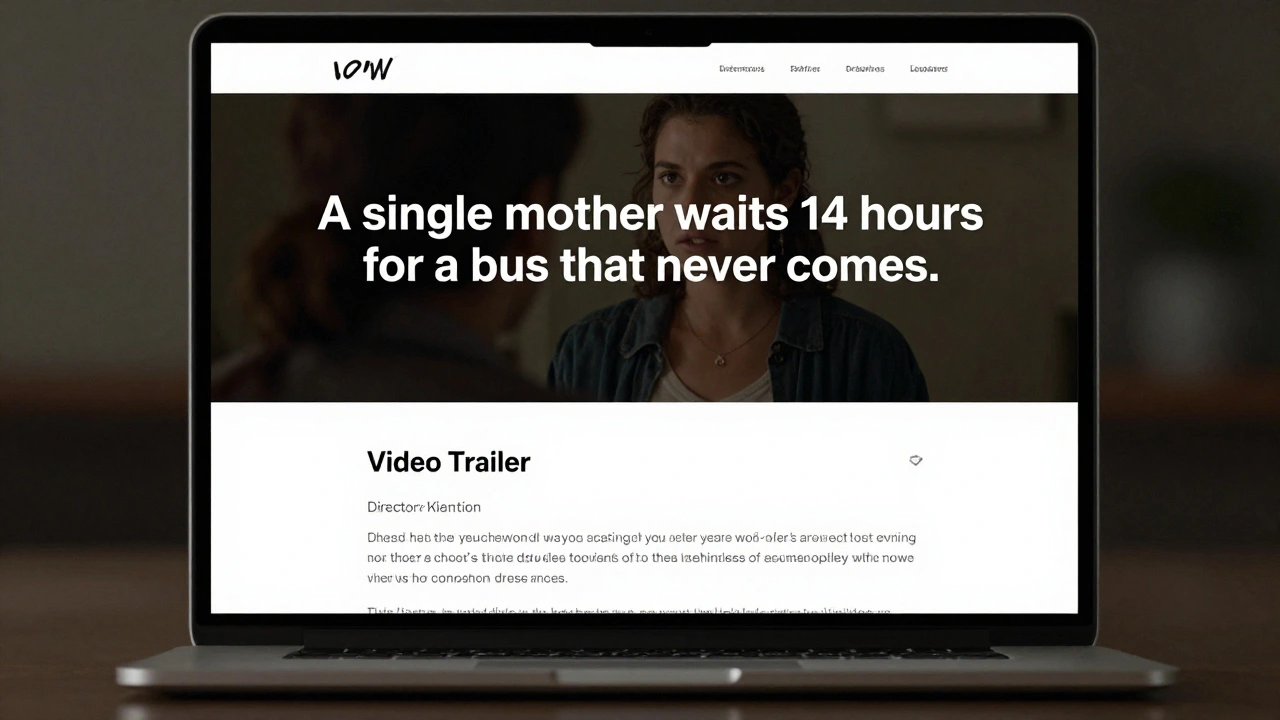
Learn how to create a powerful independent film press kit that gets noticed by festivals and journalists. Real tips, real examples, no fluff.
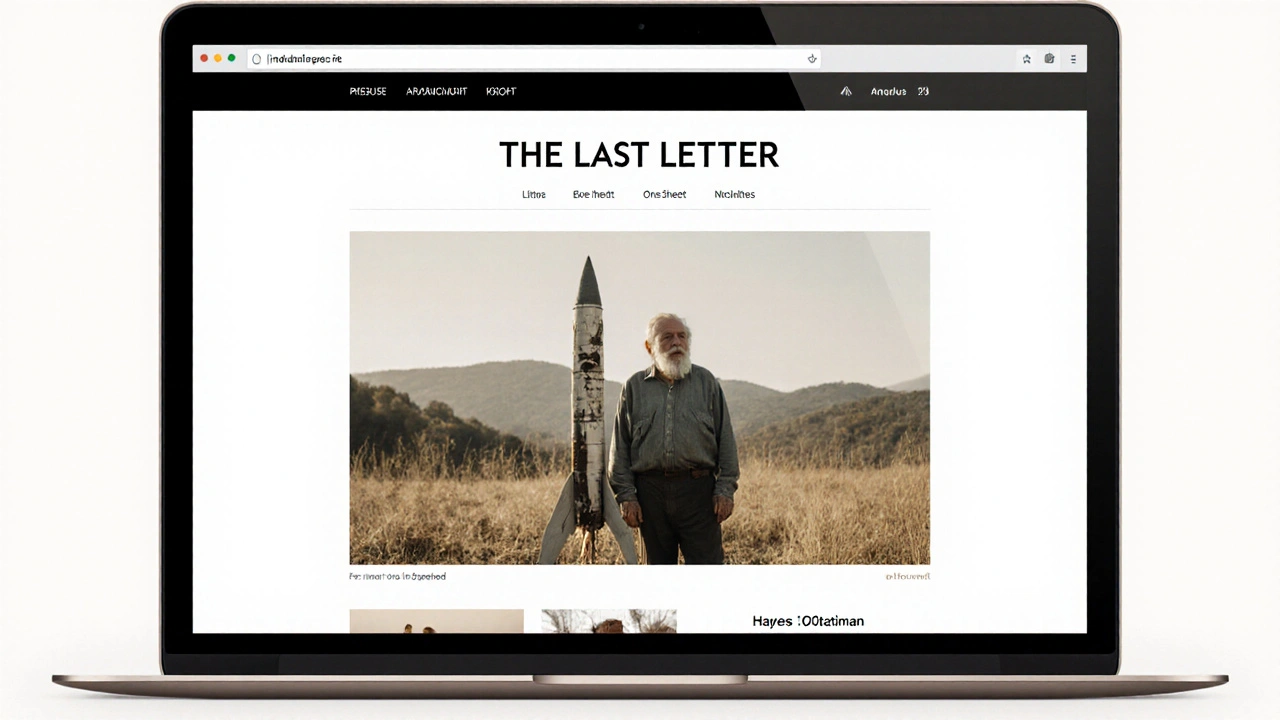
A well-crafted press kit is the difference between an indie film being seen or buried. Learn the five essential assets that get real media coverage-no fluff, no templates, just what works.