Pixar: Inside the Studio That Redefined Animated Films
When you think of Pixar, a pioneering animation studio known for emotionally rich computer-generated films. Also known as Pixar Animation Studios, it’s the team behind movies that made audiences cry over robots, toys, and inside emotions—not because they were cute, but because they felt real. Pixar didn’t just make cartoons. They built entire worlds with physics, lighting, and character movement that matched live-action films, all while keeping the soul of storytelling front and center.
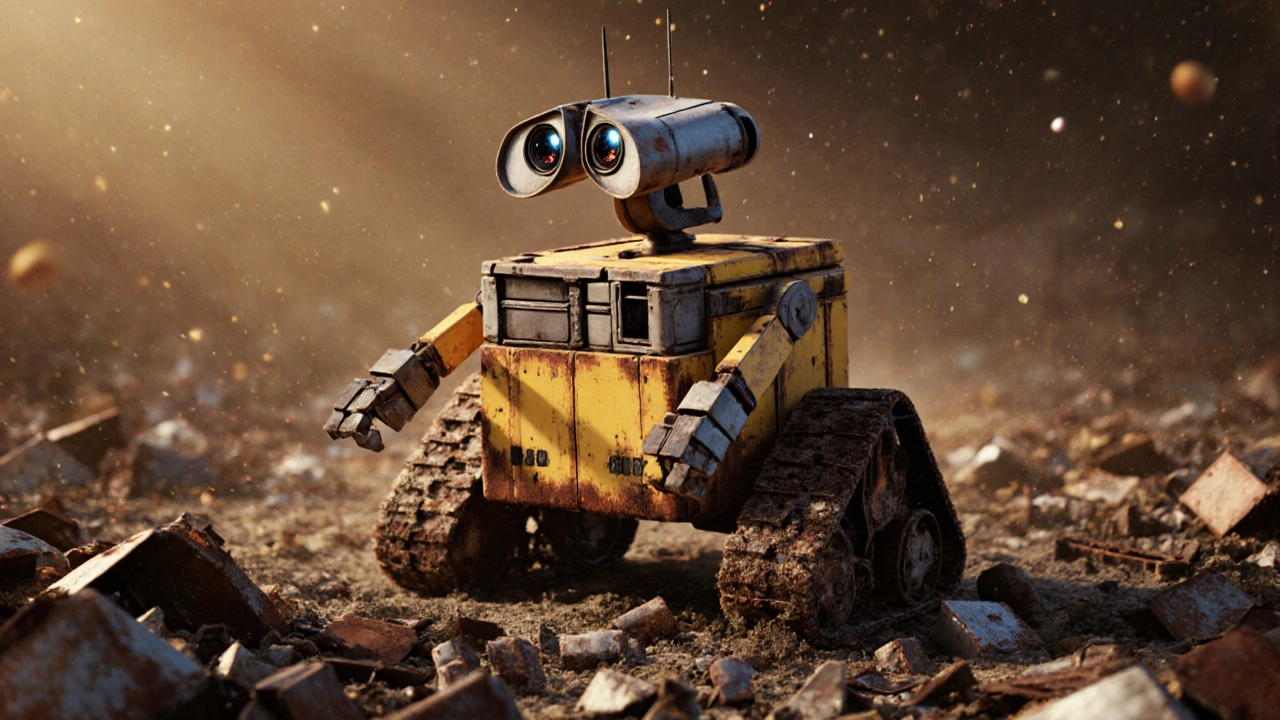
Pixar’s success didn’t come from fancy tech alone. It came from computer animation, a method of creating moving images using digital models and rendering software done with discipline. Every frame had to serve the story. Their animation studio, a creative production environment focused on feature-length animated films became a model for how to balance art and engineering. Directors didn’t just storyboard scenes—they tested how light bounced off fur, how a character’s shoulder moved when they sighed, how silence could carry more weight than dialogue. That attention to detail turned films like Toy Story and Wall-E into cultural moments, not just box office hits.
What makes Pixar different isn’t just the tech—it’s the culture. They don’t chase trends. They chase truth. Their stories are about loss, fear, growth, and connection, wrapped in colorful packages that kids love and adults remember. Even when they tackle big ideas—like loneliness in Inside Out or ambition in Coco—they never talk down to the audience. That’s why their films still matter years later. And that’s why the posts below dive into the craft behind them: how animators nail lip sync, how studios replicate Pixar’s emotional depth on smaller budgets, how streaming changed the way these stories reach us, and why character-driven animation still beats flashy effects every time. You’ll find real insights from people who’ve studied, copied, and struggled to match what Pixar made look easy.