Performance Capture in Film: How Motion Tech Transforms Acting and VFX
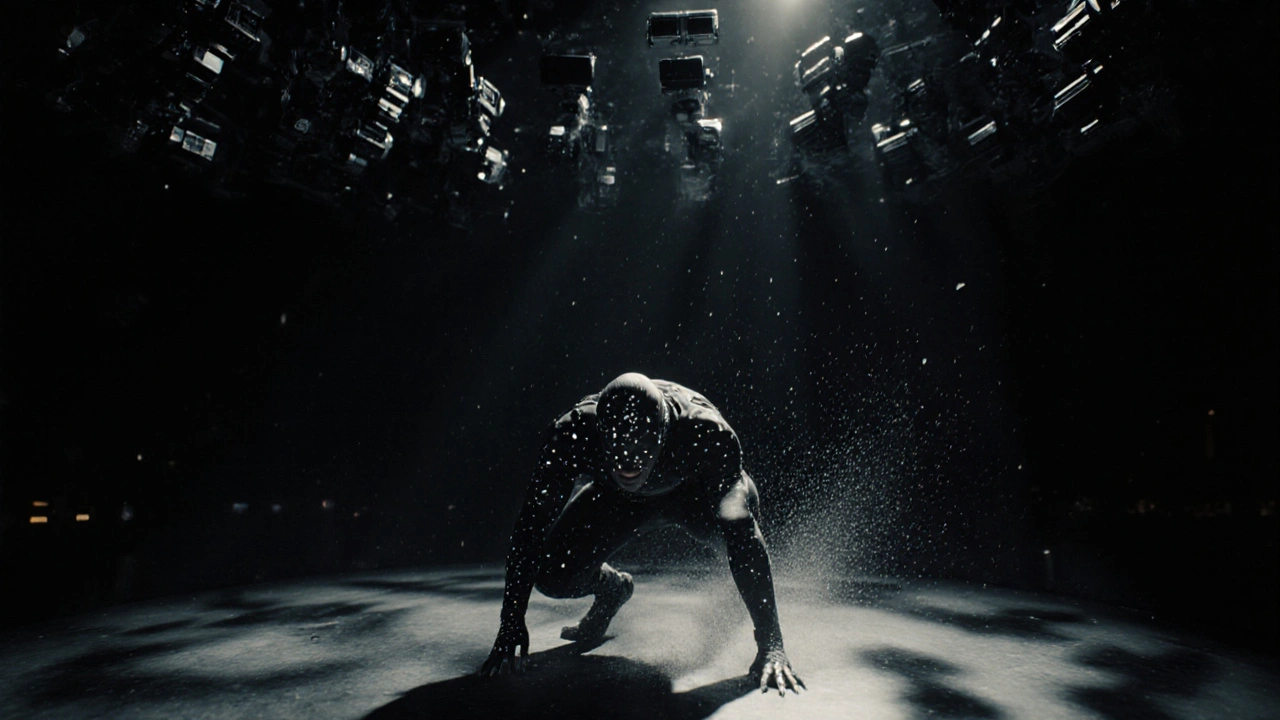
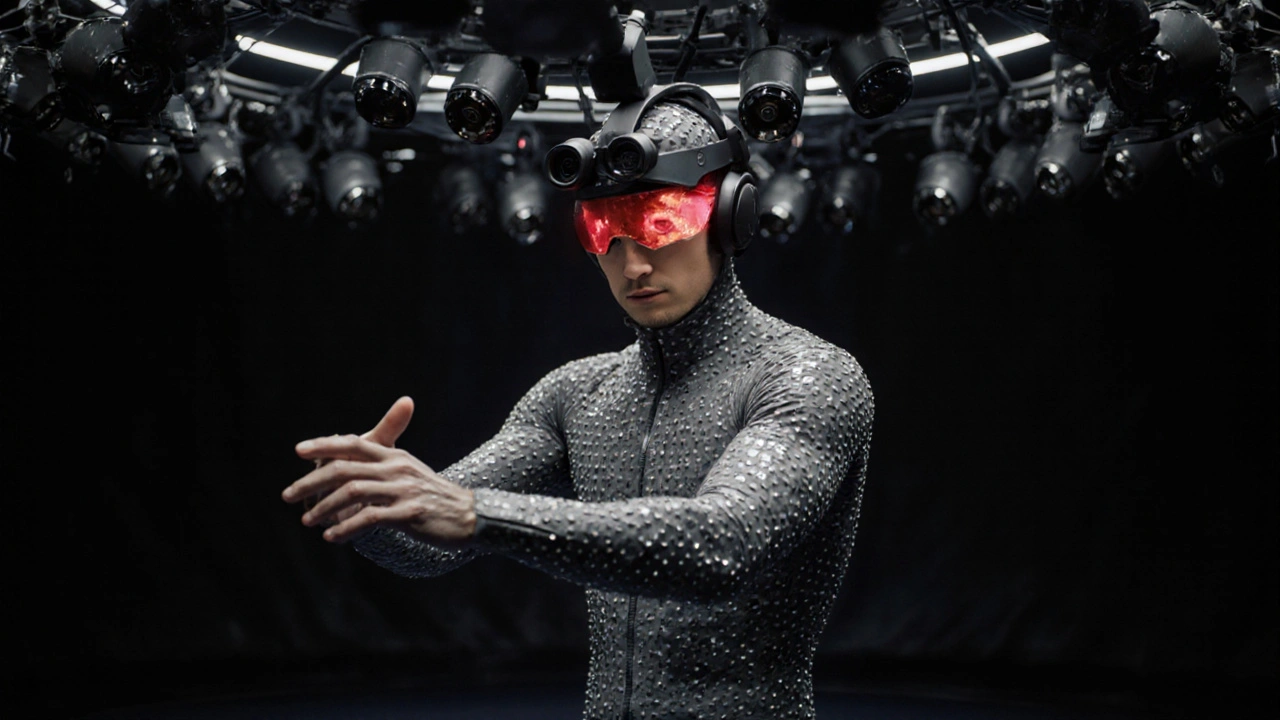
When you see a digital character like Gollum, Caesar from Planet of the Apes, or Neytiri from Avatar, you're not just watching CGI—you're watching performance capture, a technique that records an actor's movements, facial expressions, and voice to drive a digital character in real time. Also known as motion capture, it turns human emotion into digital life, making the impossible feel real. This isn’t just about suits with dots anymore. Modern performance capture uses high-resolution facial cameras, motion sensors, and real-time rendering to capture every blink, twitch, and sigh—so the digital character doesn’t just move, it feels.
Behind every great digital performance is an actor who gave their all on set. Andy Serkis didn’t just play Gollum—he became him, using his voice, body, and emotional memory to shape a character that won audiences over. That’s why performance capture isn’t a replacement for acting—it’s an extension of it. Studios now hire actors for their emotional range, not just their looks, because the tech can replicate nuance. This method also changes how films are made. Instead of waiting for VFX to be added after shooting, directors see digital characters live on set, reacting to real lighting and interactions. That’s why you’ll find performance capture used in films like The Jungle Book, Avengers, and even The Batman, where the Riddler’s movements were tracked for his eerie, jerky style. It’s not just for fantasy or sci-fi anymore. It’s becoming standard for any film that needs a character that can’t be played by a human.
Performance capture connects directly to other film tech you’ve seen on this site. It relies on virtual production, the use of LED volumes and real-time environments that let actors perform inside digital worlds, which we’ve covered in detail. It also ties into VFX quality control, the final pixel checks that ensure every movement looks natural and seamless. Without those last-minute reviews, even the best performance can break immersion with a glitchy finger or a floating eyebrow. And it’s not just about big budgets—tools like Blender and open-source motion trackers are making performance capture more accessible to indie filmmakers than ever before.
What you’ll find in the posts below isn’t just a list of films that used this tech. It’s the full picture: how it’s done, who’s behind it, what goes wrong, and how it’s changing the rules of storytelling. From the quietest facial micro-expression to the largest battle scene, performance capture is where human art and machine precision meet—and the results are changing cinema forever.