Movie Special Effects: How Digital Magic Is Made on Set and Screen
When you see a dragon breathe fire, a spaceship tear through a city, or a gorilla speak with human emotion, you’re watching movie special effects, the blend of practical and digital techniques used to create visuals that can’t be filmed in real life. Also known as visual effects or VFX, it’s not just about computers—it’s about timing, physics, and human performance captured and transformed. What you see on screen isn’t magic. It’s a mix of actors in suits, motion sensors on their faces, green screens, and teams of artists working for months to make one five-second shot feel real.
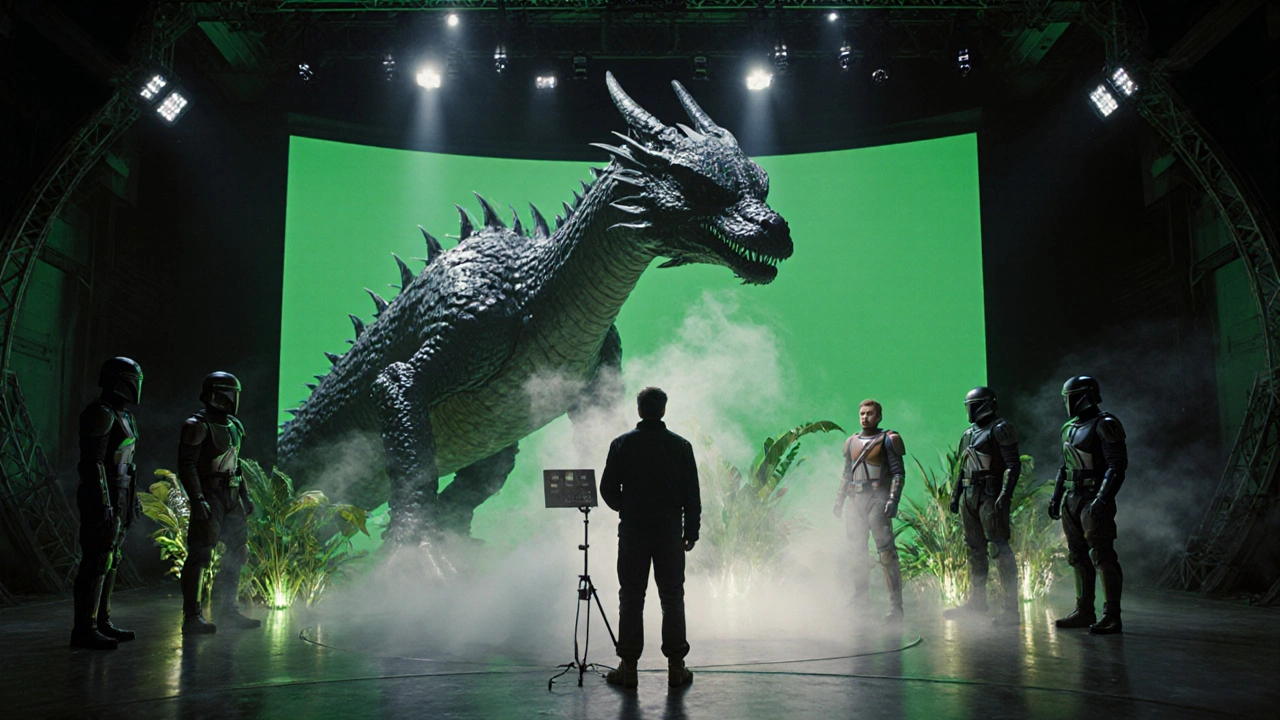
Motion capture, the process of recording an actor’s movement to drive a digital character, is at the heart of modern movie special effects. Think of Gollum in The Lord of the Rings, Caesar in Planet of the Apes, or Thanos in Avengers. Those weren’t cartoons. They were real performances—facial expressions, body language, even breathing—recorded by sensors and turned into digital beings. This isn’t just animation. It’s acting, preserved and rebuilt. And it requires more than tech: it needs directors who understand how to guide actors through invisible worlds, and crew who can light a green screen so shadows look natural on a CGI tiger.
Movie special effects don’t always mean huge budgets. Some of the most convincing moments come from simple tricks—practical effects like fake blood, smoke machines, or wires pulled just right. Even in films packed with digital creatures, crews often shoot real elements first: a real car crash, real rain, real explosions. Then they enhance them. The best effects hide the trick. You don’t notice the wires, the green screen, or the 3D model. You just believe it’s real.
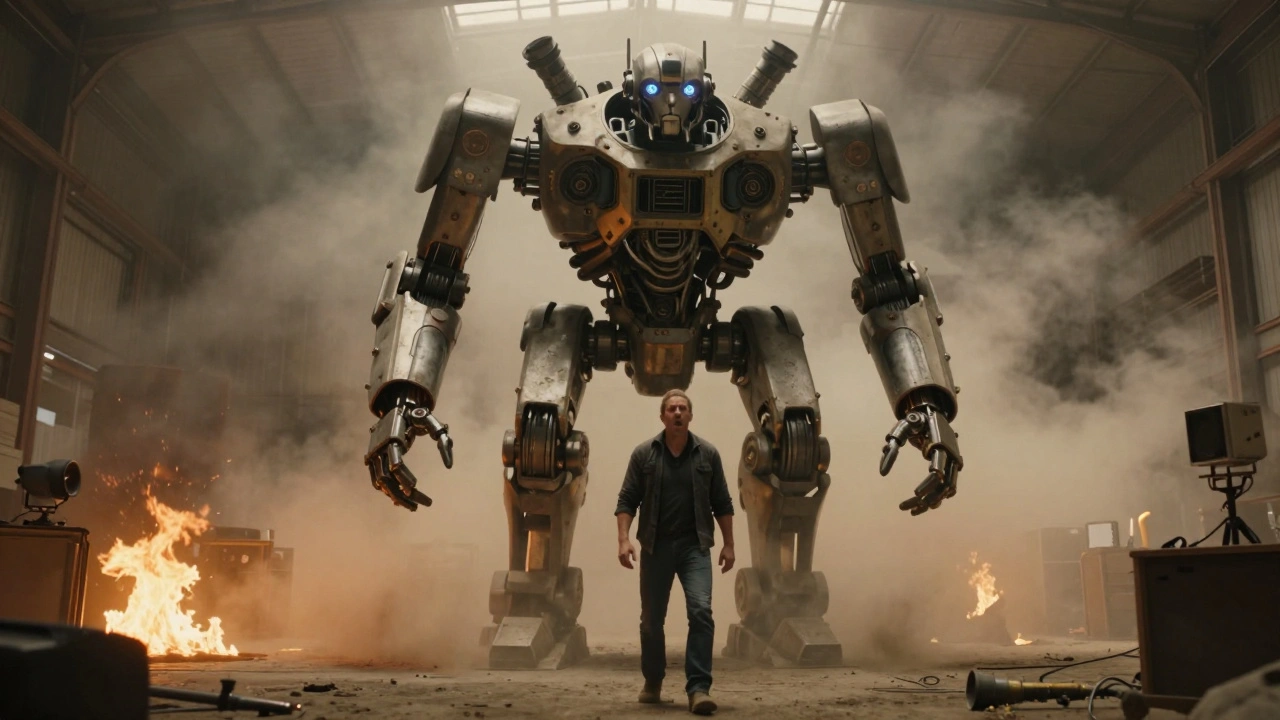
Behind every digital dragon is a team that solved problems no one taught in film school: How do you make a 100-foot-tall robot cast a shadow that matches the sun’s angle? How do you sync an actor’s blink with a digital eye that doesn’t exist yet? How do you make a character feel alive when half of it was drawn by someone in a studio half a world away? These aren’t theoretical questions. They’re daily challenges on every major film.
What you’ll find in this collection isn’t a list of the coolest CGI moments. It’s the real stories behind them—the budgets that ran out mid-shoot, the actors who performed in full motion-capture suits for weeks, the indie filmmakers who used free software to build entire worlds, and the studios that learned the hard way that digital doesn’t always mean better. You’ll read about how digital characters, animated figures driven by real human performance are now the stars of blockbusters, how performance capture, a refined form of motion capture that records facial detail and emotion changed what acting means on screen, and how VFX teams fight to keep their work invisible—even when the whole movie depends on it.
Movie special effects aren’t just about spectacle. They’re about storytelling made possible. And the people who make them? They’re not wizards. They’re problem-solvers with paintbrushes, code, and a whole lot of coffee.