Japanese animation: How Studio Ghibli, Makoto Shinkai, and indie studios shape global cinema
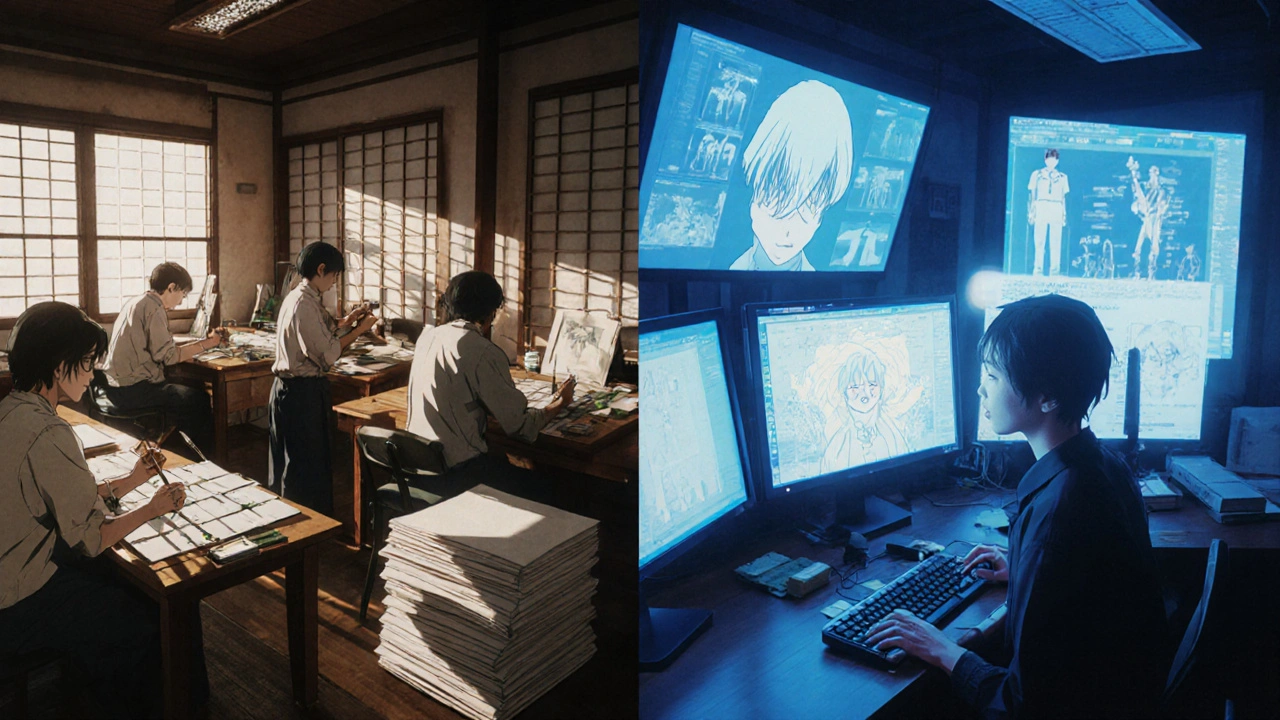
When you think of Japanese animation, a distinct style of animated filmmaking originating in Japan that blends hand-drawn artistry with deep emotional storytelling, often targeting both children and adults. Also known as anime, it doesn't just entertain—it builds worlds you feel in your bones. This isn't the same as Western cartoons. Japanese animation doesn't talk down to its audience. It lets silence speak, lets a falling leaf carry grief, and lets a child’s quiet stare say more than any line of dialogue ever could.
Behind this style are giants like Studio Ghibli, a legendary Japanese animation studio founded by Hayao Miyazaki and Isao Takahata, known for visually rich, environmentally conscious films that blend fantasy with everyday humanity, whose films like My Neighbor Totoro and Spirited Away became global touchstones. Then there’s Makoto Shinkai, a modern anime filmmaker known for hyper-detailed backgrounds, emotional romance, and stories where weather and space mirror inner turmoil, whose Your Name broke box office records outside Japan because it made people feel seen. These aren’t just directors—they’re architects of feeling, using animation not as escape, but as a mirror.
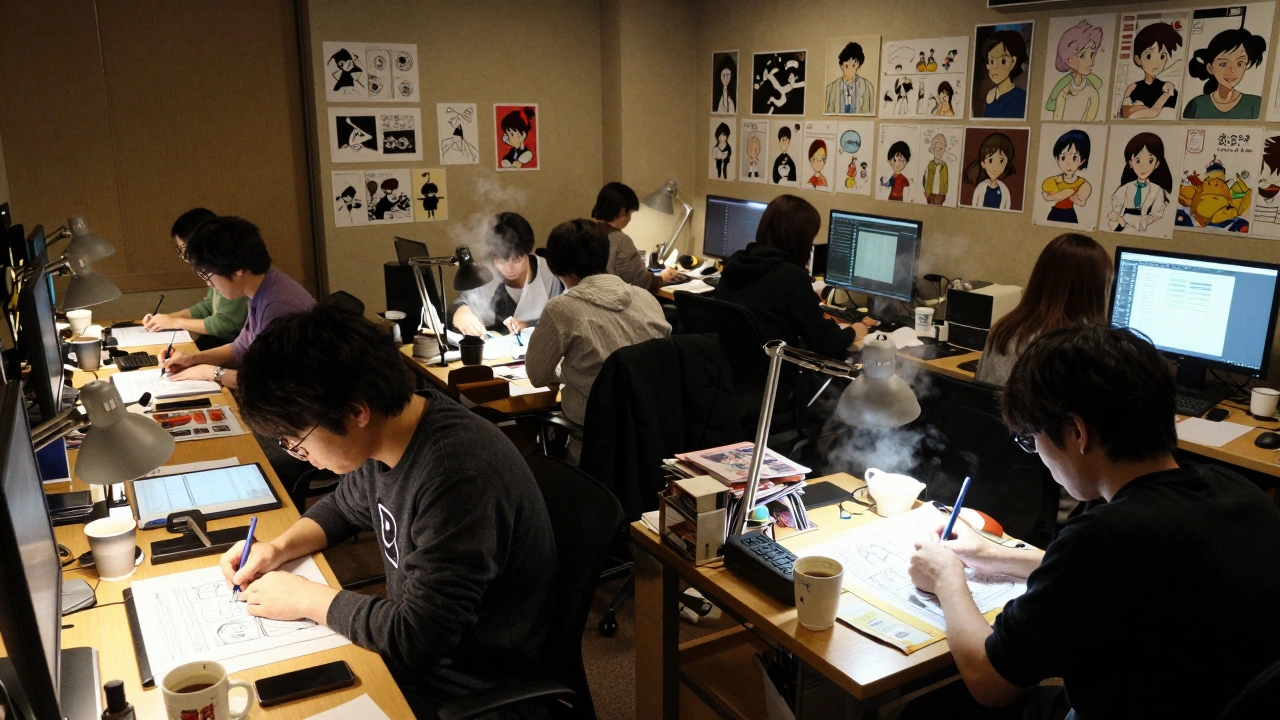
Japanese animation doesn’t just live in big studios. Indie animators are pushing boundaries too, using limited budgets to tell stories about loneliness, identity, and quiet rebellion. They don’t need dragons or time travel—just a character walking home in the rain, and the right sound of footsteps. The global film industry pays attention because this form of storytelling is rare: it’s patient, it’s visual, and it trusts the audience to sit with discomfort. You won’t find it in formulaic sequels. You’ll find it in short films that win at Cannes, in streaming originals that outperform Hollywood blockbusters, and in the way a single frame of a child holding a paper crane can stop you mid-scroll.
What you’ll find in this collection isn’t just reviews or news. It’s the behind-the-scenes truth: how animators nail lip sync to make characters breathe, how indie shorts get funded without studio backing, and why a quiet character like Hello Kitty can outdraw billion-dollar franchises. This is the real story of Japanese animation—not just what’s on screen, but how it’s made, who’s making it, and why it sticks with you long after the credits roll.