Festival Breakouts: Performances Generating Oscar Buzz
Discover the festival performances in 2025 that sparked Oscar buzz, why quiet, authentic roles beat big-budget shows, and how real talent rises without studio backing.
When you think of indie film roles, the behind-the-scenes positions that keep low-budget films alive, from director to gaffer to script supervisor. Also known as independent film jobs, these roles are where creativity meets survival—no studio safety net, no big payroll, just passion and grit. Unlike mainstream productions where everyone has a narrow job title, indie film roles often overlap. The same person who edits the film might also book the locations, negotiate with actors, and handle the social media. That’s not chaos—it’s necessity.
These roles exist because independent filmmakers, individuals or small teams who finance and produce films outside the studio system. Also known as indie filmmakers, they operate with limited funds and maximum ingenuity. They don’t have teams of 50 people. They have five. And each of those five has to know how to do at least three other jobs. A cinematographer might also be the sound recordist. A producer might also be the lead actor. This isn’t a flaw—it’s the whole point. It’s what lets a film get made on a $10,000 budget instead of $10 million. And it’s why so many award-winning films started in garages, living rooms, and borrowed vans.
It’s not just about who does what—it’s about how roles are negotiated. On indie sets, pay isn’t always upfront. film crew, the team responsible for shooting, lighting, sound, and moving equipment on set. Also known as production crew, they often work for deferred pay, meals, or just the chance to be part of something real. That’s why loyalty matters more than resumes. You don’t hire someone because they worked on a Netflix show. You hire them because they showed up at 5 a.m. with their own gear and didn’t complain when the power went out. These roles are built on trust, not contracts.
And then there’s casting for indie films, the process of finding actors who can carry a story with little rehearsal, minimal direction, and no studio backing. Also known as non-traditional casting, it often pulls from theater, local talent, or even people who’ve never acted before. Why? Because the best performances in indie films come from authenticity, not polish. You don’t need an Oscar nominee. You need someone who can cry on cue because they’ve been there. That’s why so many indie films feature real people—teachers, baristas, students—playing versions of themselves.
These roles aren’t glamorous. They don’t show up on red carpets. But they’re the reason films like Little Miss Sunshine or Boyhood got made. Without the sound person who stayed up all night fixing a broken mic. Without the assistant director who drove three hours to pick up a prop. Without the actor who agreed to shoot for free because they believed in the story. That’s the heart of indie film roles.
What you’ll find in the posts below isn’t just a list of jobs—it’s a map of how real films get made when no one’s paying. You’ll read about how crew rates are negotiated, how actors land roles without agents, how lighting setups are built with household items, and why the person who signs the insurance forms often carries the camera too. These aren’t theoretical guides. These are stories from people who’ve done it. And if you’ve ever wondered how a movie gets made on a shoestring, this is where you start.
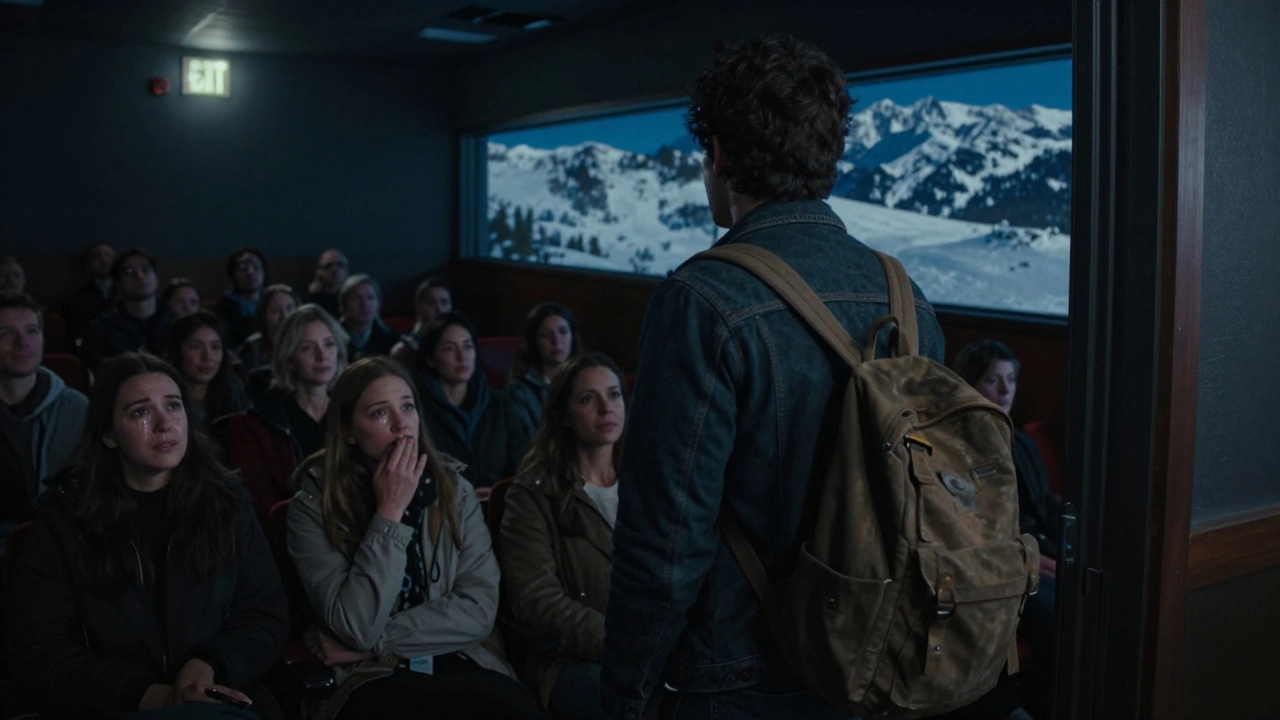
Discover the festival performances in 2025 that sparked Oscar buzz, why quiet, authentic roles beat big-budget shows, and how real talent rises without studio backing.
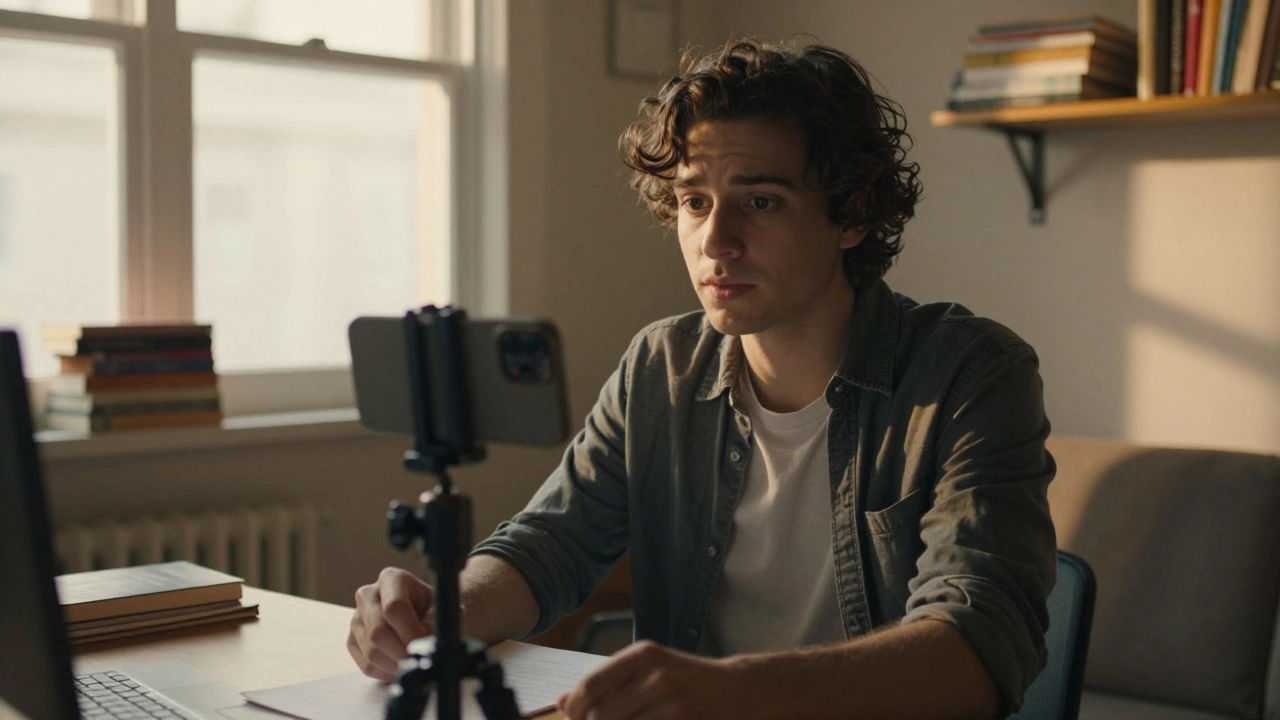
Learn how to self-submit for indie film roles with real tactics that work-no agent needed. Get tips on audition tapes, where to find casting calls, and how to write emails that get noticed.