Indie Film Insurance: What You Need to Know to Protect Your Low-Budget Project
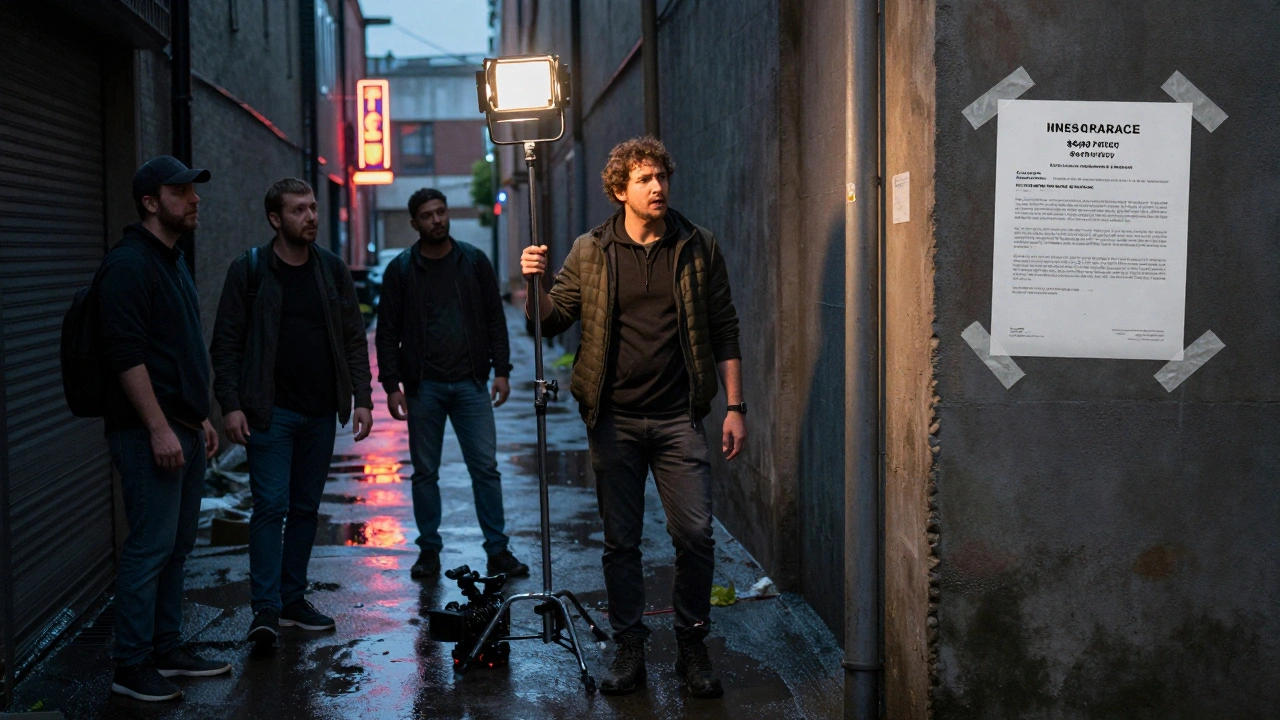
When you’re making an indie film, indie film insurance, a specialized type of coverage designed to protect independent film productions from financial loss due to accidents, delays, or legal issues. It’s not optional—it’s the backbone that lets investors sleep at night and crews show up on set without fear of being left unpaid if something goes wrong. Without it, even a small injury on set, a weather delay, or a gear theft can turn your passion project into a legal and financial nightmare. This isn’t about fancy studios with deep pockets—it’s about the real people shooting in garages, parking lots, and rented houses who need the same protection as blockbusters.
film production insurance, a broad category that includes liability, cast and crew coverage, equipment protection, and completion bonds. It’s the umbrella under which everything from your camera operator’s workers’ comp to your drone’s accidental damage falls. Most distributors won’t touch your film without a completion bond—this is the part that guarantees your movie will actually finish, even if the director gets sick or the location falls through. And if you’re using tax credits or pre-sales financing, those deals often require insurance as a condition. indie film financing, the mix of personal savings, crowdfunding, investors, and grants that fund low-budget movies. Without insurance, most of these funding sources disappear. Investors don’t want to risk their money on a film that might never be completed. Banks and insurers see insurance as proof you’re serious, not just hopeful.
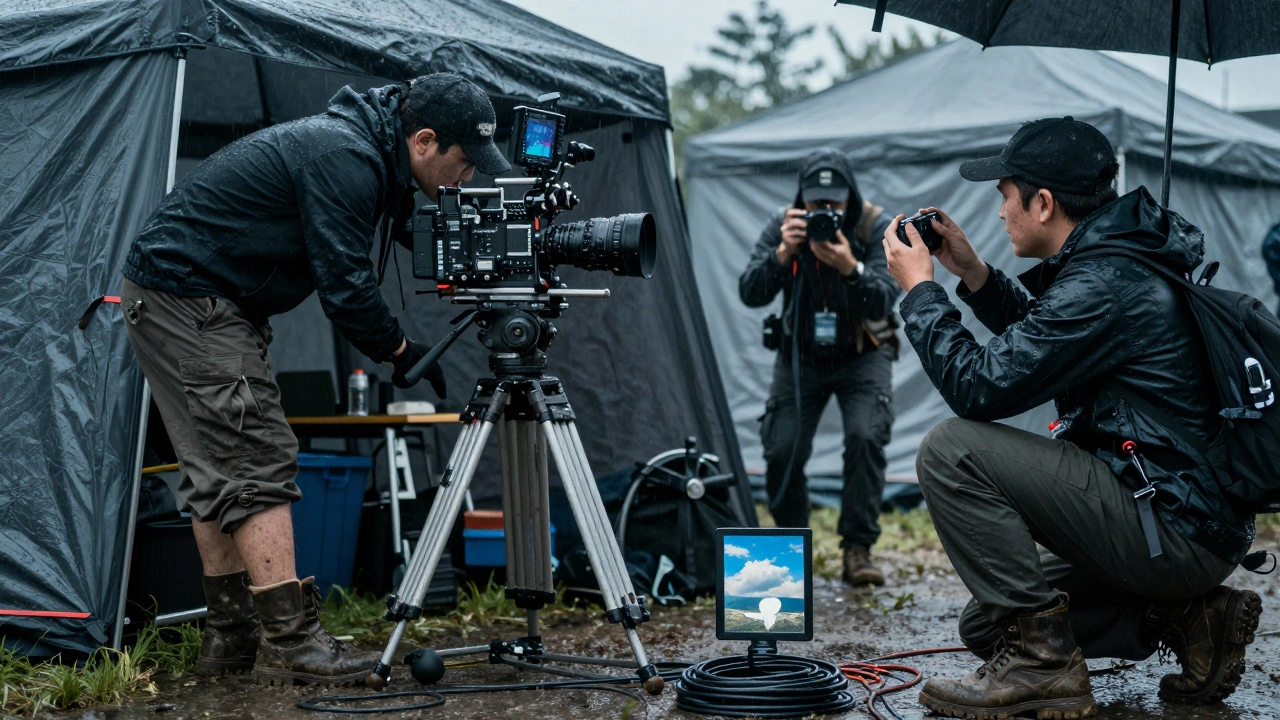
It’s not just about money. film liability coverage, the part that protects you if someone gets hurt on set or if you accidentally damage a property. It’s why intimacy coordinators and safety protocols matter—not just for ethics, but because they reduce claims. If your actor slips on a wet floor during a night shoot and breaks a wrist, liability insurance pays for their medical bills and any lost wages. It also covers things like music rights disputes or unauthorized use of a location. And if you’re using drones, special permits and insurance are required by law in most countries—skip this and you’re not just risking your film, you’re risking fines or jail.
Most indie filmmakers think insurance is too expensive, but the truth is, it’s cheaper than one day of reshoots. A basic policy for a $200,000 film might cost $5,000–$8,000. That’s less than a week of crew pay. And if you’re working with a production company or service provider, they often bundle insurance into their packages. You don’t need to be an expert—you just need to ask the right questions. What’s covered? What’s excluded? Who’s named as an additional insured? Does it include post-production delays? These aren’t legal jargon—they’re your lifelines.
What you’ll find below isn’t a list of policies or providers. It’s real-world insight from filmmakers who’ve been there: how CAM agreements tie into insurance, why crew rates affect your coverage, how production incentives can lower your premiums, and what happens when you skip the bond. These stories aren’t theoretical—they’re from sets where things went wrong, and insurance made the difference between a finished film and a broken dream.