Inclusion in Film: Diversity, Representation, and Real Stories on Screen
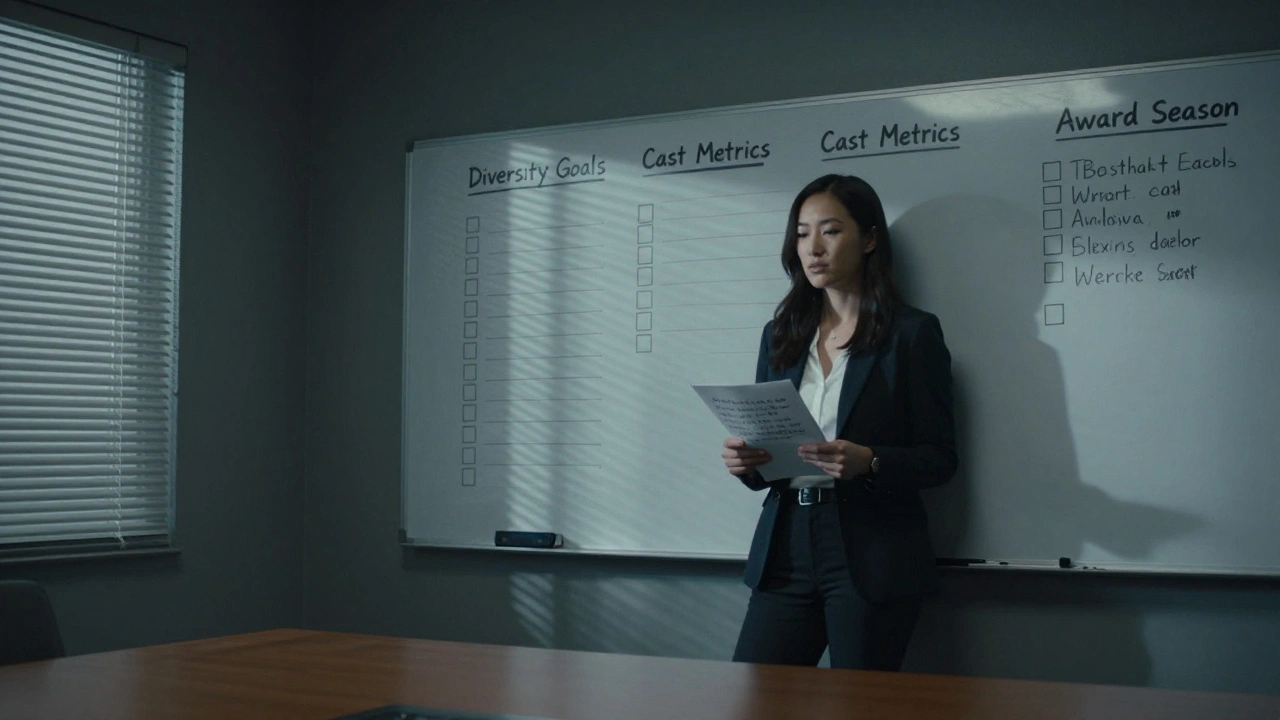
When we talk about inclusion in film, the practice of ensuring people from all backgrounds have meaningful roles both on and off screen. Also known as diversity in cinema, it's not just a buzzword—it's a shift in who gets to shape stories, who controls the budget, and who sees themselves reflected in the final cut. For years, the industry pushed the same types of characters, the same voices, the same faces. But audiences are demanding more. And now, filmmakers are starting to listen.
representation in movies, the accurate and respectful portrayal of people from marginalized communities. Also known as inclusive storytelling, it means more than adding a Black lead or a disabled actor—it means writing roles shaped by lived experience, hiring writers from those communities, and letting them guide the vision. This isn’t charity. It’s better storytelling. Look at the indie films that broke through: self-distributed hits that connected because they felt real, not manufactured. Those films didn’t rely on big marketing budgets. They relied on truth. And that truth doesn’t come from a checklist. It comes from access. From hiring a trans cinematographer. From letting a deaf director shape the rhythm of a scene. From trusting a first-time filmmaker from a rural town to tell a story no studio would greenlight.
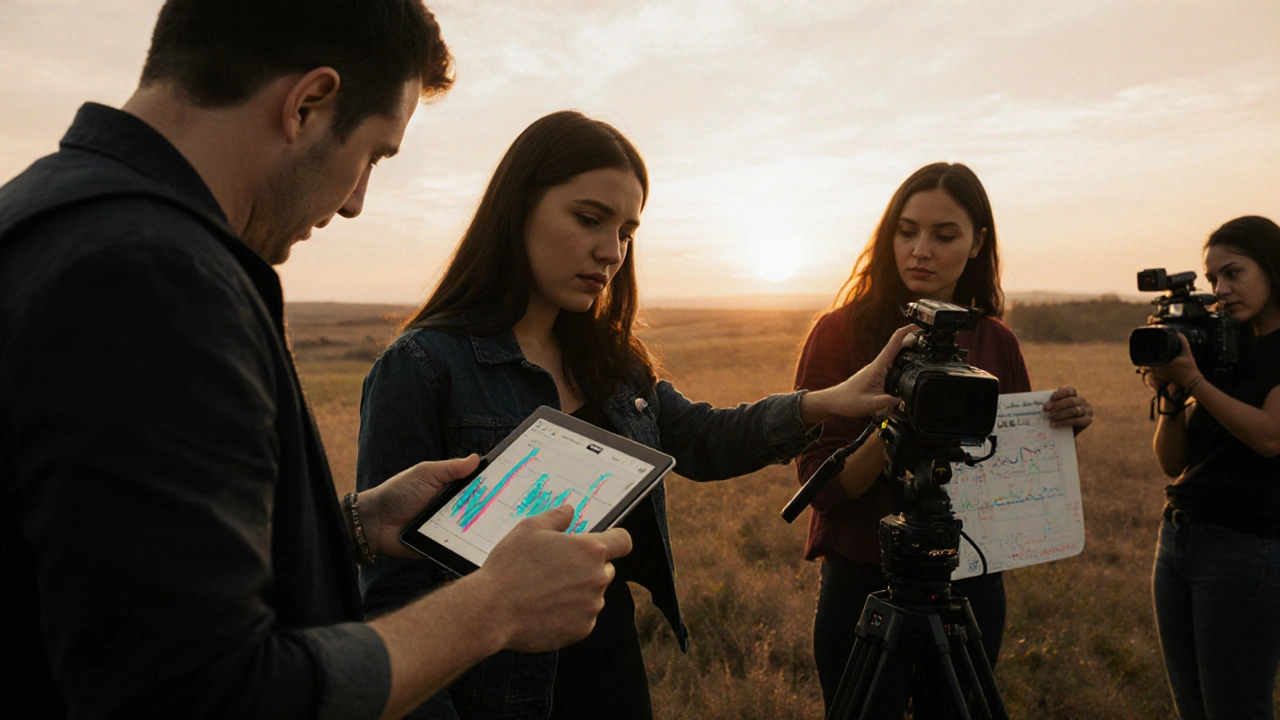
film equity, the fair distribution of resources, opportunities, and credit across all genders, races, abilities, and identities in film production. It’s not just about who’s in front of the camera. It’s about who’s in the editing suite, who’s negotiating the distribution deal, who’s getting the grant money, who’s getting invited to the festival sidebar. The posts below show how this is happening—through microbudget films made by people who were told no, through press kits that landed real coverage because they told authentic stories, through festival submissions that bypassed traditional gatekeepers. You’ll see how director attachments aren’t just about name recognition—they’re about trust in a vision that hasn’t been diluted. You’ll see how email marketing for indie films works because it’s built on real relationships, not fake hype. And you’ll see how open-source tools like Blender are leveling the playing field, letting anyone with talent and grit create visuals that rival studio budgets.
This isn’t about checking boxes. It’s about changing who gets to make movies—and who gets to watch them. The films below prove it’s already happening. You just have to know where to look.