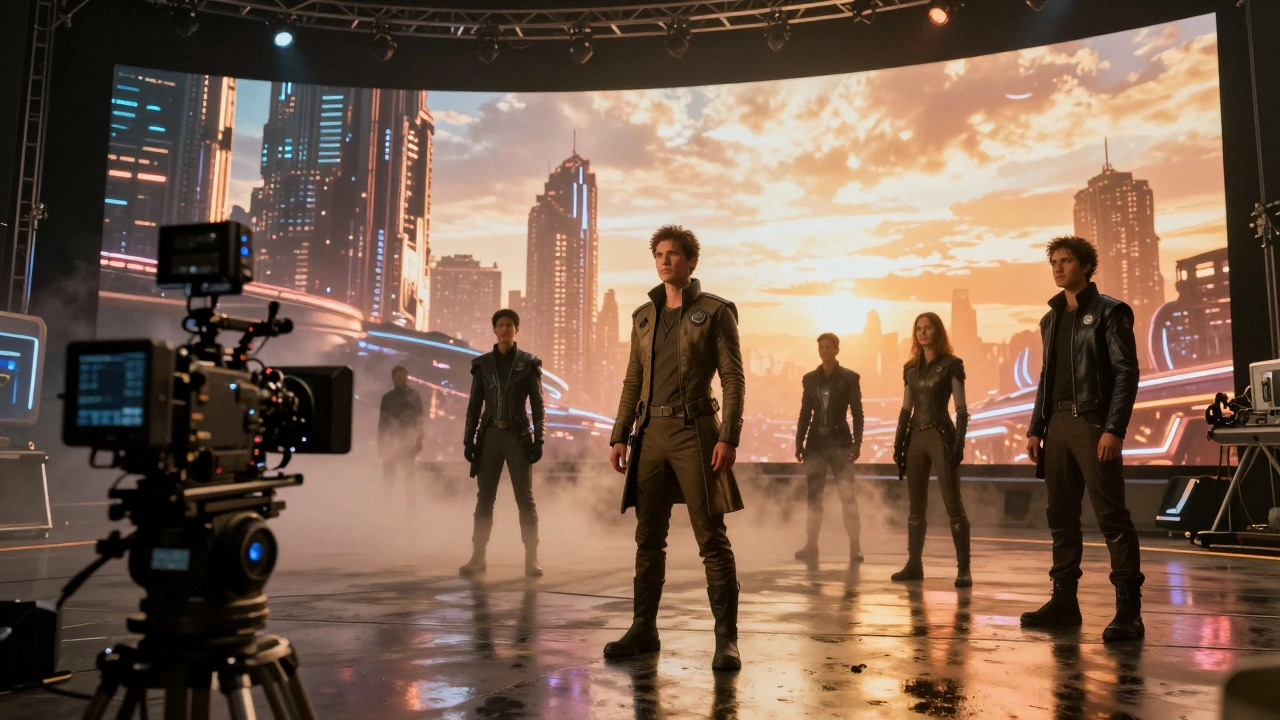
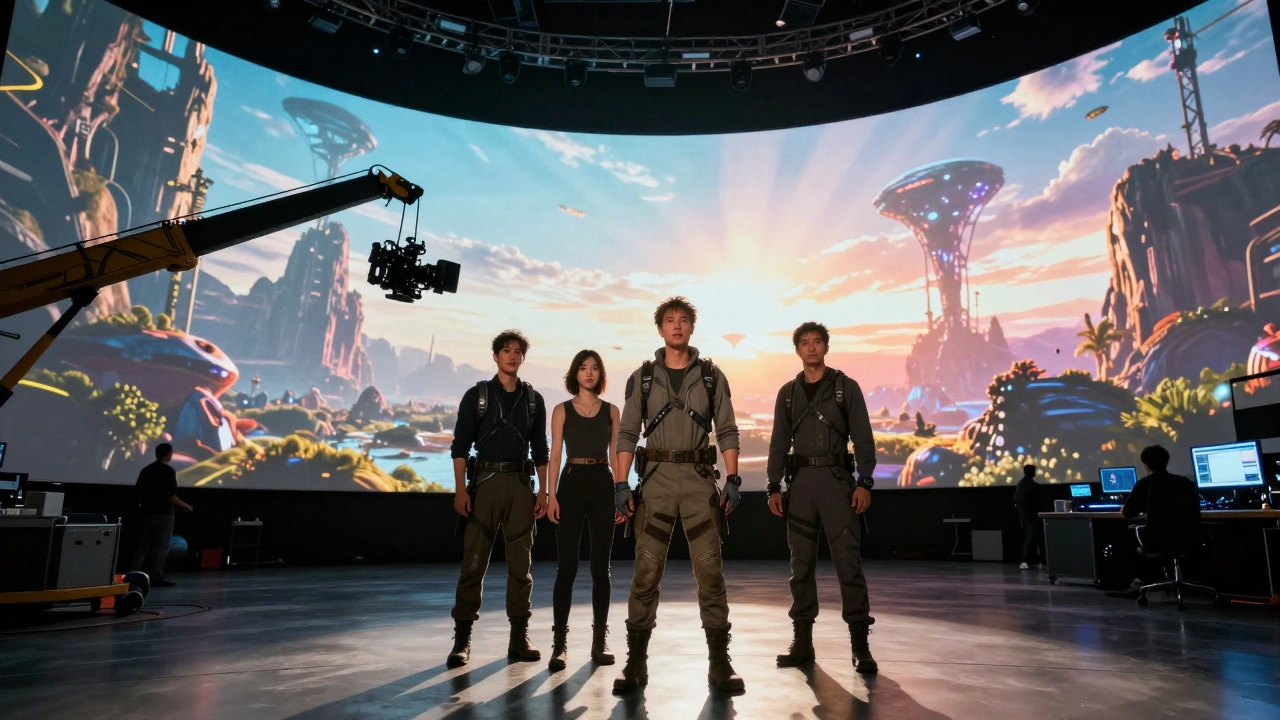
In-Camera VFX: Real-World Effects That Change How Films Are Made
When you see a spaceship fly through a collapsing city or a character walk on water, you might assume it’s all CGI. But some of the most unforgettable moments in film happen in-camera VFX, visual effects created physically during filming, not added later in post-production. Also known as practical effects, these techniques rely on real objects, lighting, camera tricks, and clever staging to fool the eye right on set. Unlike digital effects that can feel weightless or artificial, in-camera VFX have texture, shadow, and physics you can’t fake with a keyboard. They’re what made the T-800’s endoskeleton glow in The Terminator, why the spinning hallway in Inception feels real, and how the original Star Wars ships moved like they had mass and momentum.
These effects aren’t just nostalgia—they’re a growing tool in modern filmmaking. Directors like Christopher Nolan and Denis Villeneuve use them because they give actors something real to react to, and they reduce the need for green screens that break immersion. Practical effects, physical props, miniatures, animatronics, and in-camera optical tricks used to create illusions during shooting are cheaper, faster, and often more convincing than rendering a digital explosion. On-set VFX, real-time visual solutions implemented during filming using lighting, mirrors, forced perspective, or motion rigs include everything from using wires to make actors fly to painting shadows on glass to simulate rain. Even with powerful software, studios are returning to these methods because audiences can feel the difference—when something is real, the emotion sticks.
What’s surprising is how many of today’s blockbusters mix both worlds. A dragon might be partly digital, but its wings cast real shadows on the set. A car crash might be staged with a real vehicle, then enhanced with digital debris. The best filmmakers don’t pick one over the other—they use in-camera VFX to anchor the illusion, then let digital tools polish it. This isn’t about resisting technology; it’s about using it wisely. The goal isn’t to make effects invisible—it’s to make the story feel true.
What you’ll find in the collection below are real stories from sets where filmmakers built entire worlds without a single render farm. You’ll read about how a tiny model, a well-placed mirror, or a carefully timed lens flare created moments that still haunt viewers decades later. These aren’t just technical guides—they’re proof that the most powerful magic in cinema still happens in front of the camera, not behind a screen.