Hybrid Film Festivals: How Physical and Digital Events Are Reshaping Cinema
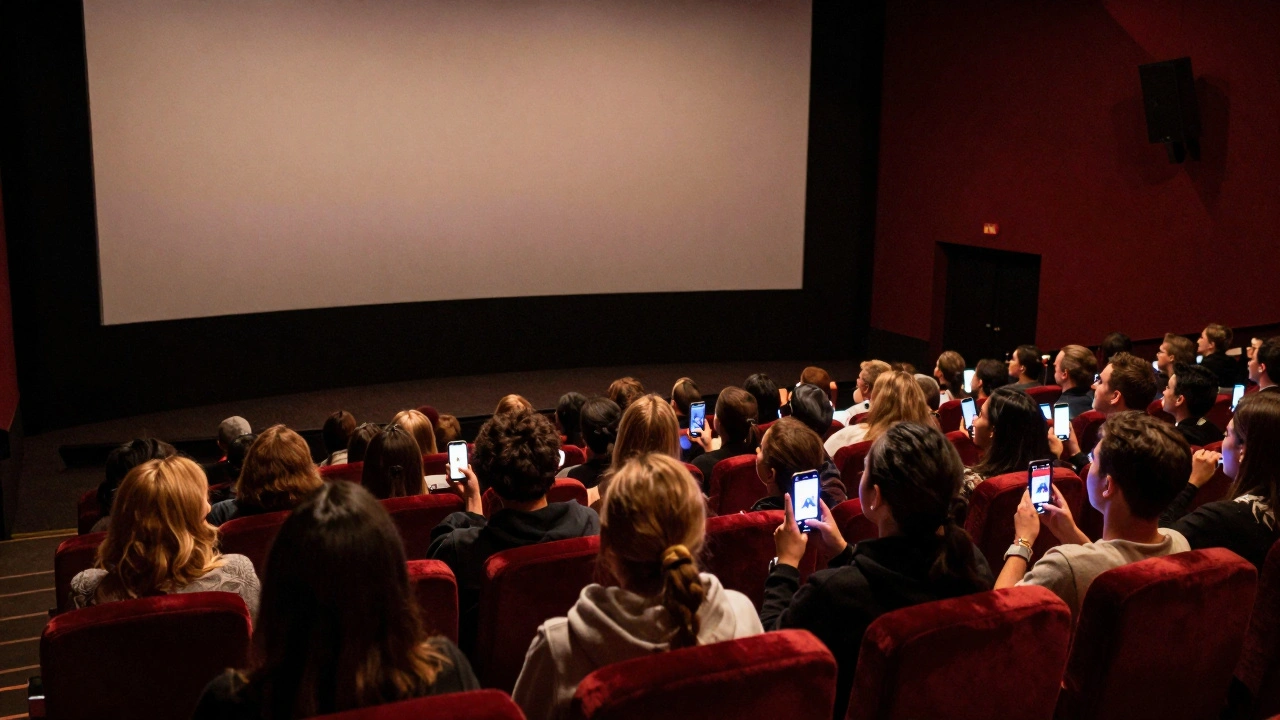
When you think of a film festival, you might picture red carpets, packed theaters, and late-night Q&As. But today’s hybrid film festivals, film events that combine live screenings with online streaming platforms to reach global audiences. Also known as blended film festivals, they’re no longer just a backup plan—they’re the new standard. This shift didn’t happen because of a pandemic. It happened because filmmakers and audiences both wanted more control, more access, and more chances to be seen.
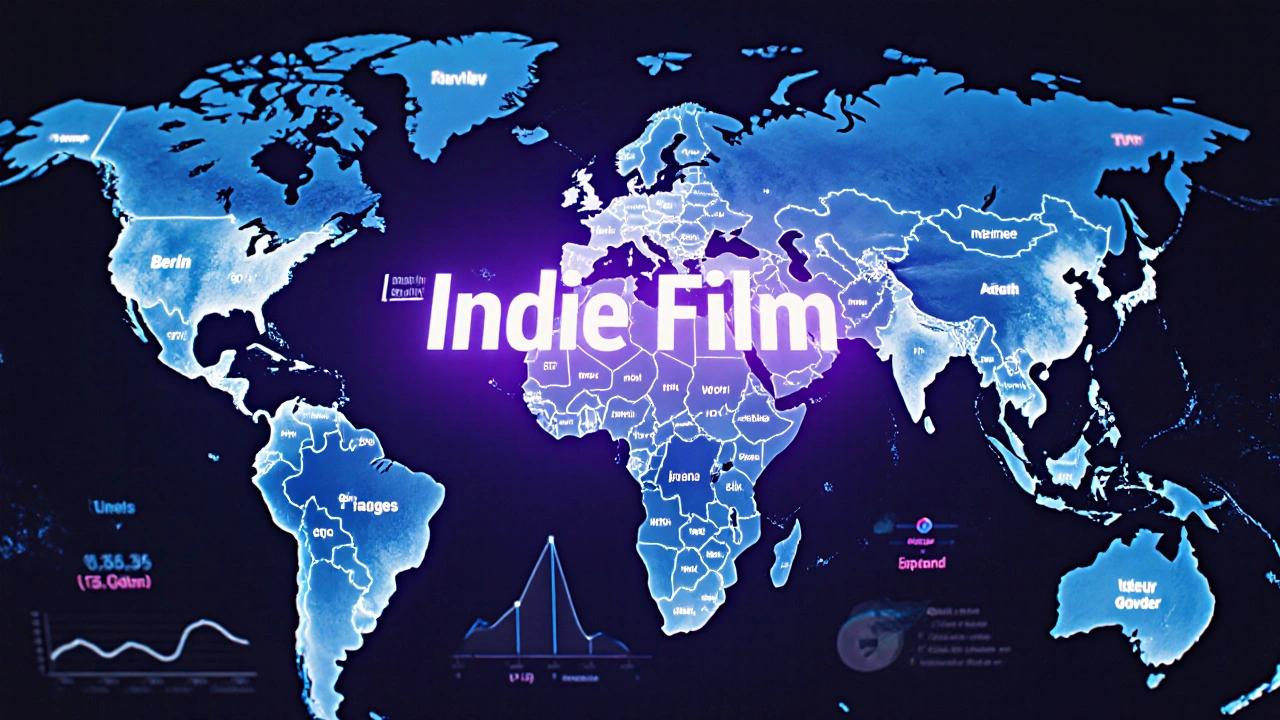
Hybrid film festivals aren’t just about showing movies online. They’re about building communities across time zones. A short film premiering in Toronto can now be watched by a student in Lagos, a critic in Tokyo, or a buyer in LA—all on the same day. That’s not just convenience. It’s opportunity. And it’s changing how festivals pick films. Curators aren’t just looking for the flashiest premiere anymore. They’re choosing stories that work in both settings: intimate enough for a living room screen, but powerful enough to fill a cinema. That’s why you’re seeing more digital film screening, the practice of streaming films online as part of a curated festival experience paired with live Q&As, and why festival programming, the process of selecting and organizing films for public exhibition now includes tech specs for online viewing alongside theater requirements.
For indie filmmakers, this means more paths to discovery. You don’t need to fly to Cannes to get noticed. You just need a strong submission, a clear story, and a strategy that works whether someone watches from a couch or a chair in a darkened room. The best hybrid festivals don’t treat online and in-person as separate tracks—they weave them together. A film might screen live on Saturday, then stay available for a week online with behind-the-scenes content. Sales agents use these windows to pitch to distributors who can’t make the trip. Audiences get to engage with directors through live chats. And festivals? They get data—real numbers on who watched, where, and when.
This isn’t just about technology. It’s about inclusion. A filmmaker in rural Kenya can now enter a festival that used to require a visa, a flight, and a budget they don’t have. A parent with young kids can watch a film at 10 p.m. instead of skipping sleep to catch a midnight show. And for distributors? They’re no longer betting on a single night in a single city. They’re watching how films perform across platforms, over days, and across regions.
The posts below show you exactly how this is playing out. You’ll find guides on how to get your film into festivals that now accept online submissions, how sales agents use hybrid events to close deals, and how curators are choosing films that thrive in both worlds. You’ll see how festivals like Sundance and Berlinale now run parallel online programs, and how smaller regional events are using digital access to extend their reach. There’s no magic formula—just smart choices, clear planning, and understanding that the audience isn’t just in one place anymore.