Film Set Design: How Sets Shape Storytelling in Movies
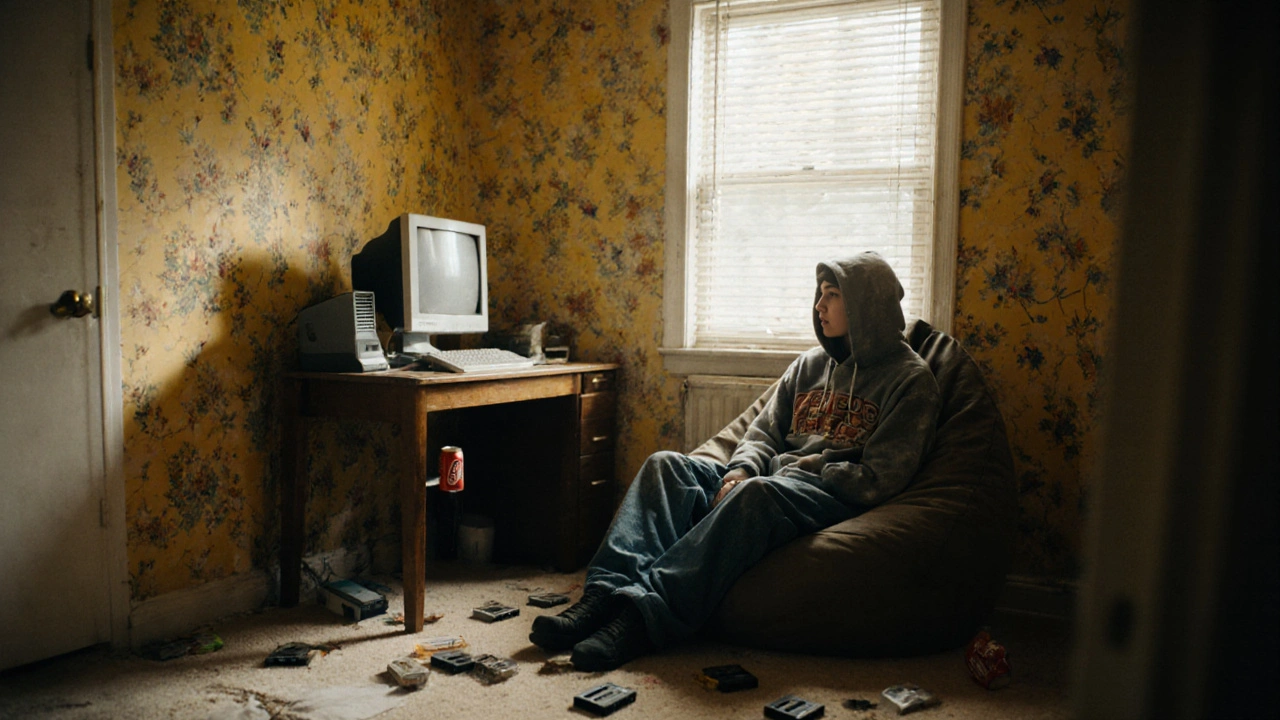
When you watch a movie and feel like you’re truly inside another world, that’s not magic—it’s film set design, the art of building physical or digital environments that support and enhance a film’s narrative. Also known as production design, it’s the hidden force behind every scene that makes you believe a spaceship is real, a 1920s speakeasy still smells like whiskey, or a haunted house holds secrets in its peeling wallpaper. This isn’t about pretty props. It’s about emotional architecture—every door, window, rug, and crack in the wall chosen to say something about the characters who live there.
Film set design requires collaboration with directors, cinematographers, and costume teams to make sure everything works together. A cluttered kitchen isn’t just messy—it might show a character’s mental state. A sterile office with no windows isn’t just modern—it could signal isolation or control. The set decoration, the detailed objects and furnishings that fill a set tells stories even when no one is speaking. Think of the worn-out shoes in a poverty-stricken home, or the single framed photo on a killer’s nightstand. These aren’t accidents. They’re clues planted by the production designer.
And it’s not just about realism. In sci-fi or fantasy films, film environment, the complete visual world built for a story, whether grounded or imagined becomes a character itself. Look at the towering, oppressive architecture of Blade Runner 2049 or the cozy, lived-in interiors of The Lord of the Rings. These aren’t just places—they’re emotional landscapes. Even small indie films use set design to build tension or warmth without needing big budgets. A single room with the right lighting and furniture can carry an entire movie.
Modern film set design blends physical builds with digital extensions, but the goal hasn’t changed: make the audience forget they’re watching a movie. Whether it’s a tiny apartment in a drama or a sprawling alien city, the best sets don’t shout—they whisper. They make you feel the chill of a cold floor, the weight of a dusty curtain, the history in a cracked mirror. That’s the power of a well-designed space.
Below, you’ll find real-world examples and breakdowns of how filmmakers use set design to deepen stories, control mood, and build worlds that stick with you long after the credits roll. These aren’t just behind-the-scenes facts—they’re lessons in how to tell a story with walls, floors, and light.