Film Release Windows: How Timing Shapes Box Office Success
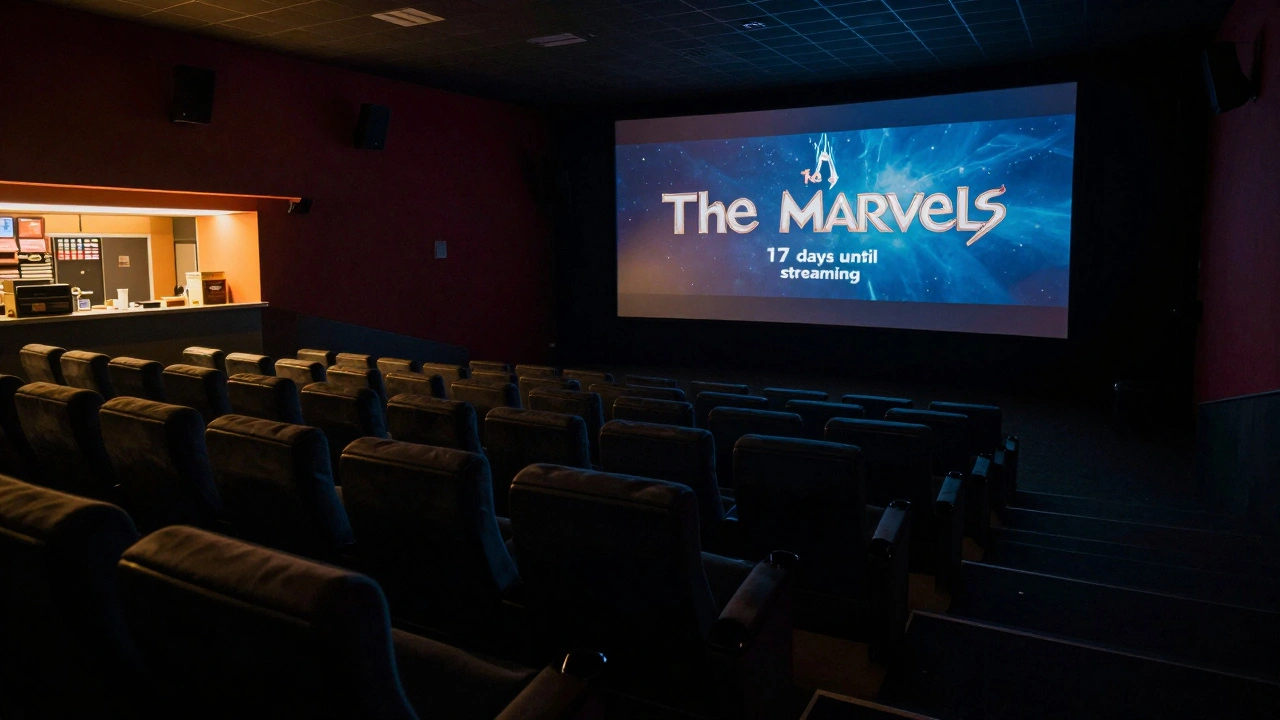
When you hear film release windows, the scheduled periods during which a movie is available in a specific format or platform. Also known as release windows, it refers to the strategic timing of when a film moves from theaters to digital, streaming, or home video. This isn’t just about when a movie drops—it’s about money, audience behavior, and who controls the experience. For decades, studios locked movies in theaters for 90 days or more before letting them go anywhere else. That model is gone. Today, the window can be a day, a week, or even zero days—if a film drops on streaming the same night it hits theaters.
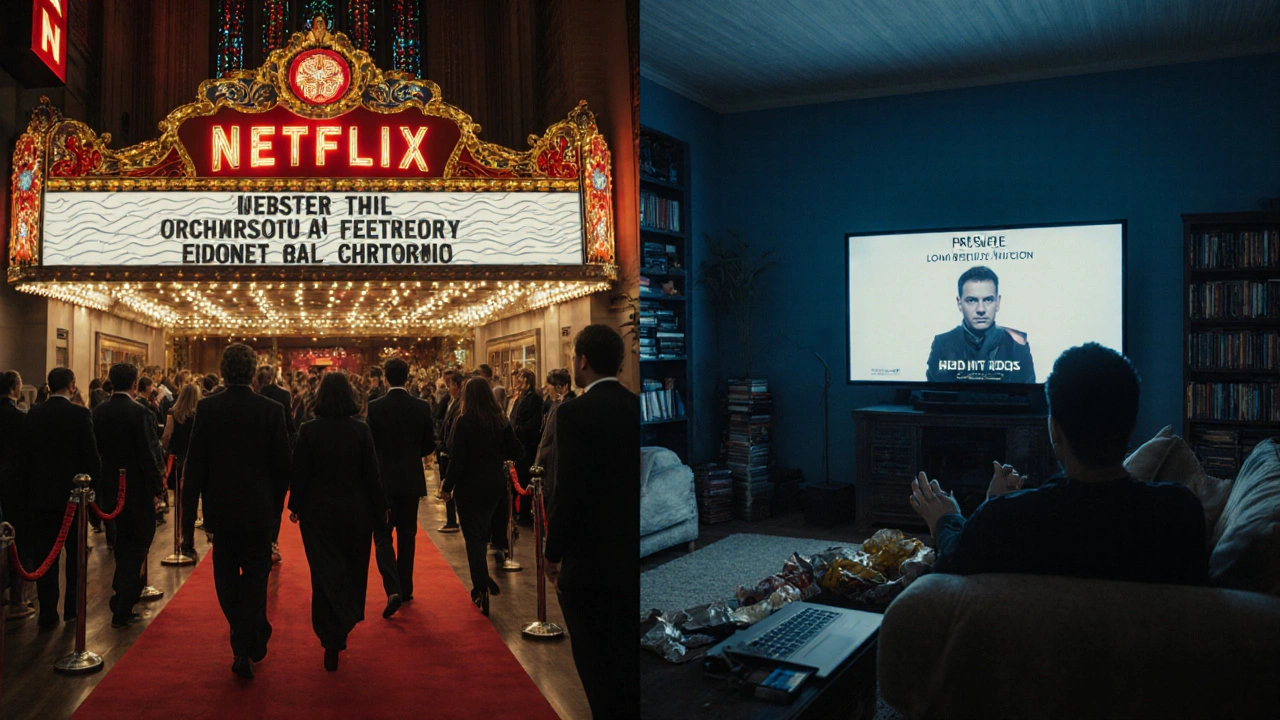
Why does this matter? Because theatrical release, the traditional model of showing films in cinemas before other platforms still drives prestige, awards buzz, and global marketing momentum. But streaming release, when a film launches directly on platforms like Netflix or Apple TV+ is now a valid—and often smarter—path for many films, especially indie and niche titles. Studios don’t just pick a window randomly. They look at genre, audience size, competition, and even weather. A horror movie might drop on Halloween weekend. A family film waits for school breaks. A documentary might skip theaters entirely and go straight to streaming to reach its core viewers.
And it’s not just studios making these calls. Independent filmmakers now have more control than ever. Self-distributed films like The Florida Project or Get Out proved that smart timing—like opening in a few key cities first, then expanding based on word-of-mouth—can outperform wide releases. Meanwhile, streamers like Netflix and Amazon use data to test windows: release a film in the U.S. first, then roll it out globally weeks later. Or drop it everywhere at once. The answer depends on who’s watching and where.
The shift has also changed how films are marketed. Trade ads now target Oscar voters during awards season, but they’re timed to align with release windows. A film might have a limited theatrical run just to qualify for awards, then flood streaming platforms right after. This hybrid model isn’t a compromise—it’s the new standard. Even big franchises like Spider-Man or Barbie now test different windows in different countries. What works in Japan might not work in Brazil.
What you’ll find in these posts isn’t theory. It’s real cases: how microbudget films bypassed traditional windows to hit box office highs, how virtual production hubs let studios shoot faster and release sooner, how festival premieres now act as soft launches before wider distribution. You’ll see how press kits and email lists help indie films build momentum before a single theater screen lights up. And you’ll learn why some films succeed by staying in theaters for months—while others vanish after a weekend.
Film release windows aren’t just schedules. They’re decisions that shape careers, box office numbers, and who gets to tell stories. Whether you’re a filmmaker, a fan, or just curious about how your favorite movie ends up on your screen—understanding this system means understanding the modern movie business. Below, you’ll find real examples of how it all works—no fluff, no jargon, just what actually happens when a film leaves the editing suite and enters the world.