Film Improvisation: How Spontaneity Shapes Authentic Movie Moments
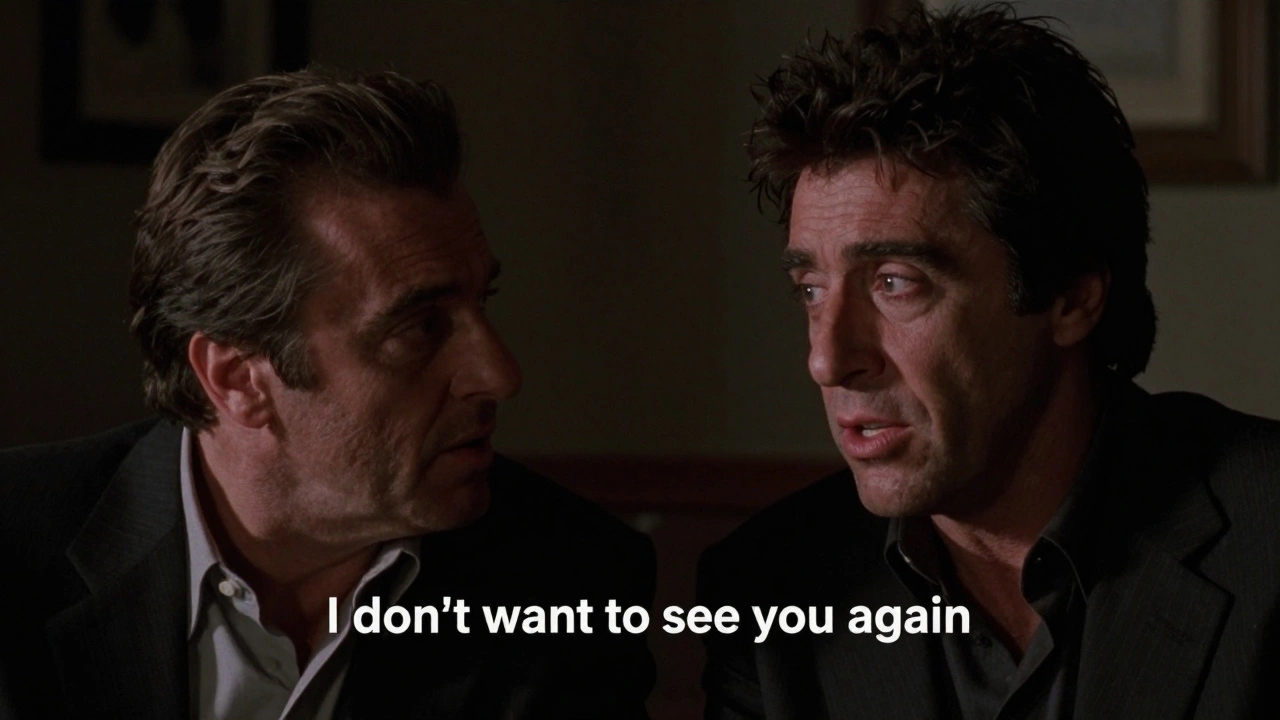
When actors break from the script and say something real, something unexpected—that’s film improvisation, the practice of creating dialogue or action spontaneously during filming, often without prior rehearsal or written lines. Also known as actor improvisation, it’s not chaos—it’s a controlled kind of magic that turns scripted scenes into living moments. Think of the diner scene in Before Sunrise, or the way Steve Carell’s awkward silence in The Office felt more real than any written joke. Those weren’t accidents. They were choices—made by directors who trusted their actors enough to let go of the script.
Film improvisation relies on three things: trust, preparation, and timing. It’s not about actors making stuff up on the fly with no context. It’s about actors who know their characters inside out, working with directors who create safe spaces for risk. You see this in documentaries like Grey Gardens, where the camera just rolls and real behavior emerges. But it’s also in scripted films like Whiplash, where the final drum solo was improvised because the actor needed to feel the rage, not just act it. This kind of spontaneous filmmaking, a process where unscripted moments are intentionally captured and preserved as part of the final edit demands more discipline than following a script. It requires actors to listen, react, and commit—no second takes, no safety nets.
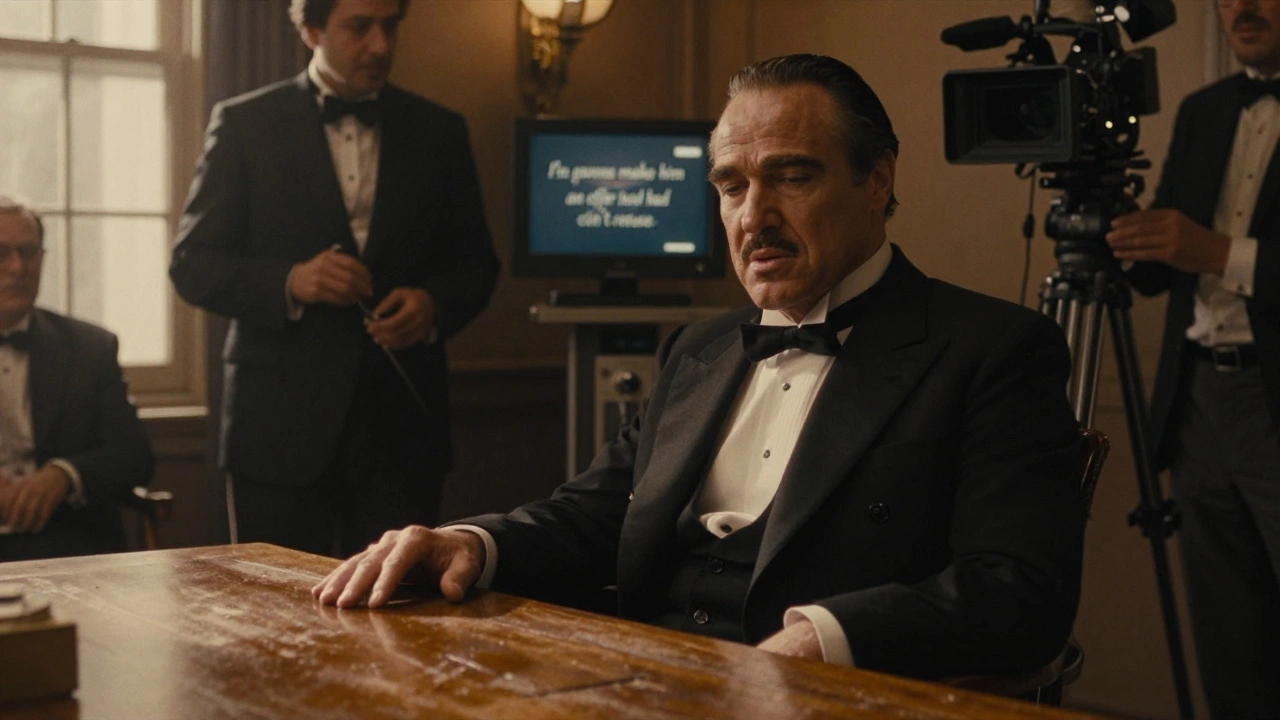
It’s also tied to how crews operate. On low-budget sets, where time is tight and money is tight, improvisation becomes a survival tool. Directors like Mike Leigh and Judd Apatow built entire careers on it. They don’t just allow improvisation—they design scenes around it. And it’s not just for comedy. In dramas, a pause, a glance, a changed line can carry more weight than pages of dialogue. That’s why on-set creativity, the ability to adapt and generate authentic material during filming, often under pressure is now taught in film schools alongside camera angles and lighting. It’s not a trick. It’s a craft.
What you’ll find in this collection isn’t just stories about funny outtakes or famous ad-libs. It’s about how real filmmakers use improvisation to solve problems, deepen performances, and uncover truths that scripts can’t reach. From actor-directors who improvise while holding the camera, to documentaries where the crew waits hours for a moment to happen naturally—this is where cinema breathes. These posts show you how it’s done, why it matters, and when it falls apart. No theory. No fluff. Just what works on set, when the lights are on and the camera is rolling.