Film Composition: How Sound, Image, and Editing Shape Movie Magic
When you think of film composition, the deliberate arrangement of visual, auditory, and temporal elements to guide emotion and meaning in a movie. Also known as cinematic composition, it's not just about where the camera points—it's how every frame, cut, and sound cue works together to make you feel something without saying a word. Think of it like a song: the visuals are the melody, the sound design is the harmony, and the editing is the rhythm. Get one wrong, and the whole thing falls apart.
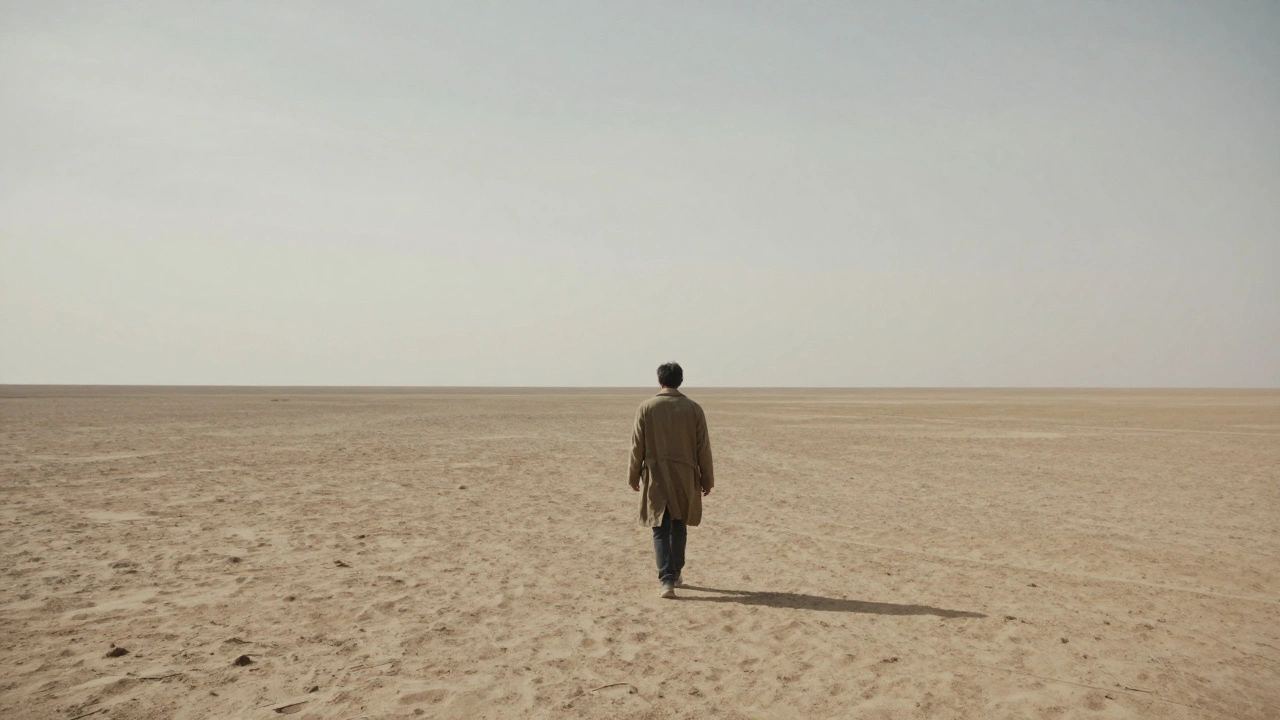
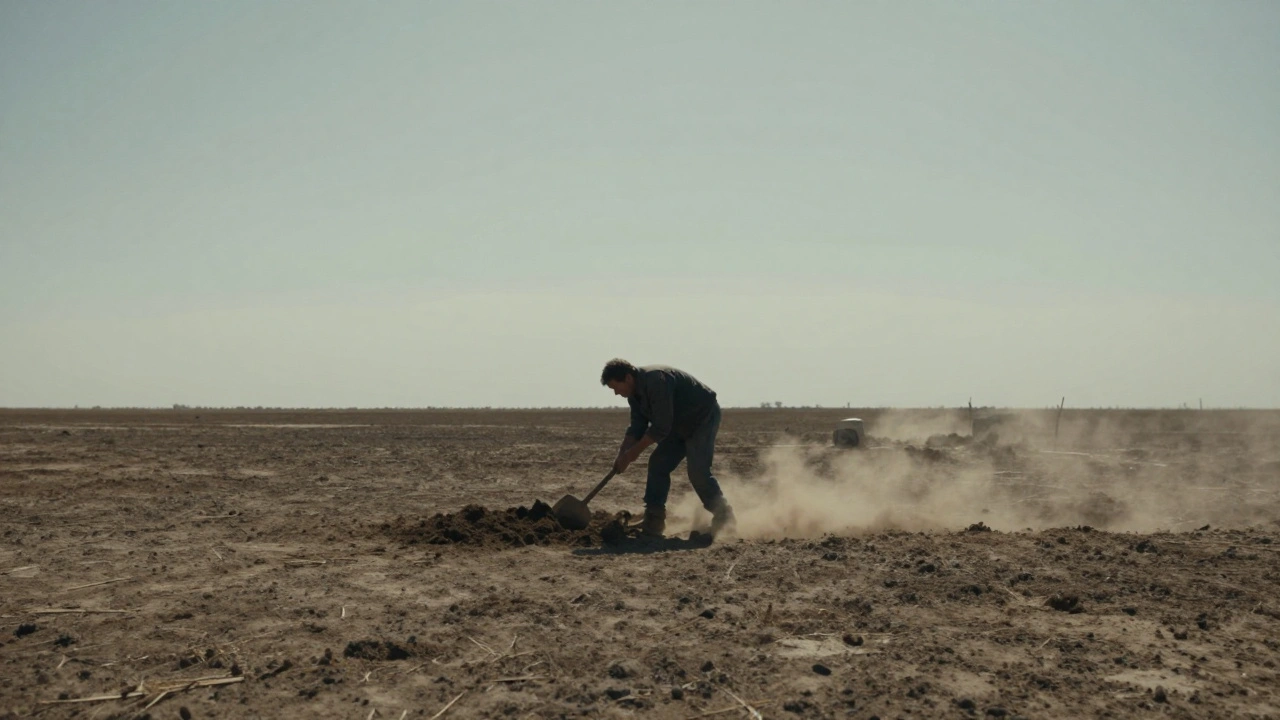
Good film composition doesn’t shout. It whispers. It uses visual storytelling to show you a character’s fear without a line of dialogue, like in Hereditary when the camera lingers too long on an empty hallway. It uses sound design to make your skin crawl—like the low hum in Annihilation that isn’t music, isn’t dialogue, but feels alive. And it uses film editing to control time itself—cutting fast to build panic, or holding a shot to let tension breathe. These aren’t separate parts. They’re one system.
What you’ll find in these articles isn’t theory from a textbook. These are real behind-the-scenes breakdowns from filmmakers who’ve worked with tight budgets, impossible schedules, and zero room for error. You’ll see how production designers pick textures that light can’t ruin, how drone shots are planned around FAA rules, and how virtual sets change the way actors perform. You’ll learn why some films win critics’ awards while others dominate box offices, and how indie films with no studio backing still make audiences feel everything. This isn’t about fancy gear or big budgets. It’s about choices—every frame, every cut, every echo—that add up to something unforgettable.
Whether you’re a filmmaker trying to make your next scene land, or just someone who notices how a movie makes you hold your breath—you’ll find answers here. No fluff. No jargon. Just how the pieces fit together.