Feature Films: What They Are, How They're Made, and Why They Matter
When we talk about feature films, full-length motion pictures typically over 40 minutes long, designed for theatrical or major streaming release. Also known as long-form cinema, they are the main event—the stories that fill theaters, spark debates, and sometimes change how we see the world. Unlike shorts or documentaries, feature films are built for immersion. They have time to develop characters, build tension, and leave a lasting impression. Whether it’s a $200 million blockbuster or a $50,000 indie project, if it’s meant to be watched on a big screen or as a main attraction on a streaming platform, it’s a feature film.
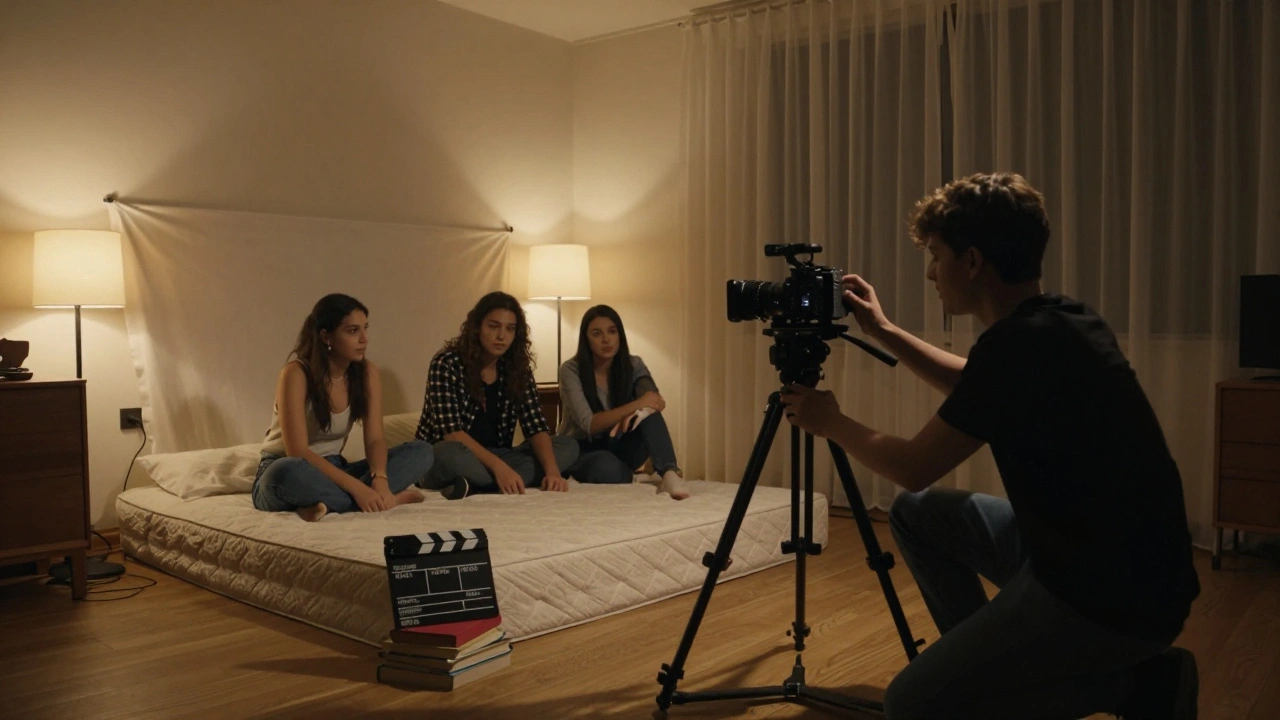
What makes a feature film different isn’t just its length—it’s the film production, the full process of planning, shooting, and finishing a movie. It involves crews of dozens, complex scheduling, insurance, lighting setups, and often years of work. Behind every feature film is a chain of decisions: who funds it, who distributes it, and how it reaches you. That’s where film distribution, the system that gets movies from filmmakers to audiences through theaters, streaming, or physical media comes in. Without distribution, even the best film can vanish. And today, that system is changing fast. Streaming platforms now compete with studios, indie films bypass theaters entirely, and filmmakers are learning to control their own releases.
Feature films aren’t just entertainment—they’re cultural artifacts. They reflect what we fear, what we hope for, and what we’re willing to pay to see. The rise of independent films, movies made outside the major studio system, often with smaller budgets and more creative freedom has shown that audiences crave authenticity over spectacle. A24’s success, Sundance’s influence, and the Oscar buzz around quiet, character-driven stories prove that feature films don’t need explosions to matter. They just need truth.
And that’s what you’ll find in this collection. From how improvisation turns a scene into magic, to how CAM agreements keep money flowing after a film wraps, to how accessibility tools like captions and audio description make stories reach everyone—this isn’t just a list of articles. It’s a look inside the real machinery of feature films. You’ll see how directors, actors, crew members, and even film readers shape what ends up on screen. You’ll learn why some films succeed without marketing, why others die in silence, and how the people behind the scenes fight to keep cinema alive—not as a product, but as a conversation.