DreamWorks: Animation, Franchises, and the Rise of Family Films
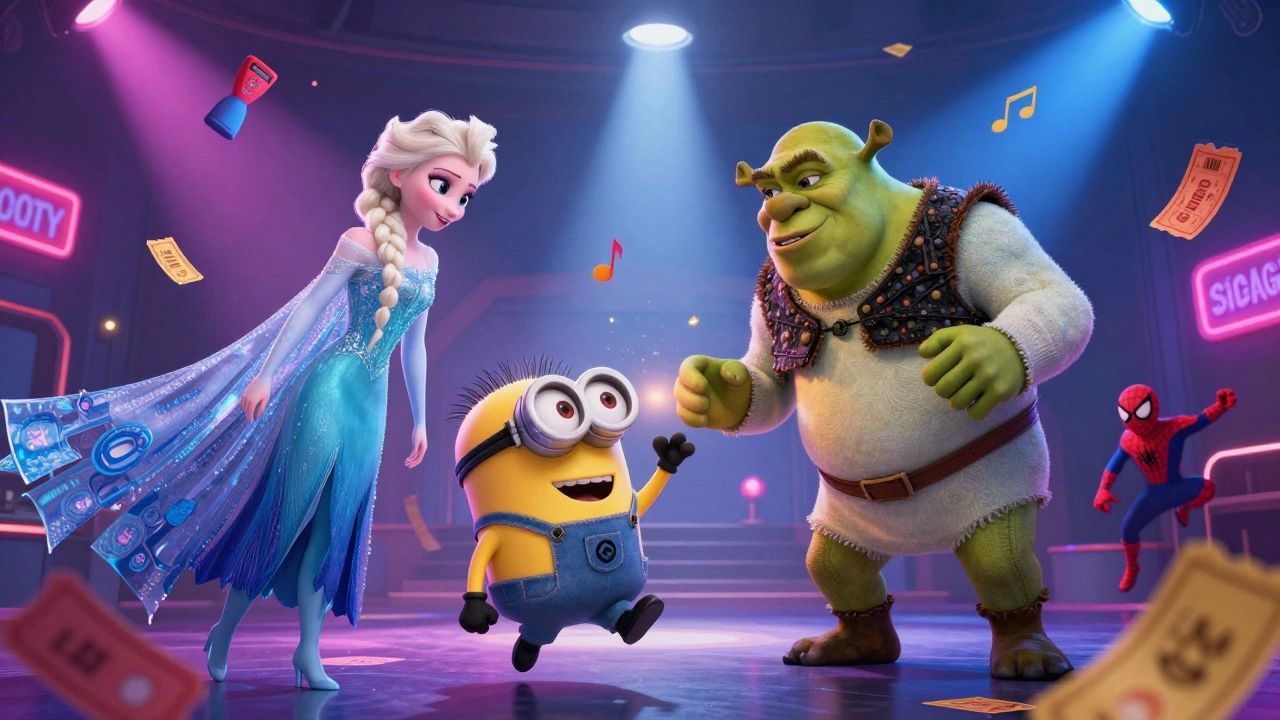
When you think of DreamWorks, a major American animation studio known for creating popular family films and franchises since the late 1990s. Also known as DreamWorks Animation, it became a force in cinema by blending humor, heart, and cutting-edge animation to compete with the biggest names in the industry. Unlike other studios that relied on fairy tales or classic stories, DreamWorks carved its own path with original characters like Shrek, Po from Kung Fu Panda, and Toothless from How to Train Your Dragon. These weren’t just cartoons—they became cultural touchstones that kids and parents watched together, again and again.
DreamWorks doesn’t just make movies—it builds family franchises, long-running film series centered on beloved characters that generate sequels, merchandise, and spin-offs. Also known as animated franchises, these are the engine behind its business model. Shrek alone spawned four main films, TV specials, and video games. Kung Fu Panda has three sequels and a hit Netflix series. These aren’t accidental hits—they’re carefully planned, with character design, voice casting, and marketing all working in sync. The studio learned early that emotional connection matters more than spectacle. A dragon that cries when he loses his friend? That’s the kind of moment that turns viewers into lifelong fans. And while other studios chased trends, DreamWorks stuck with what worked: strong writing, memorable voice performances, and stories that didn’t talk down to kids. Even when they took risks—like the dark, philosophical tone of The Road to El Dorado or the sci-fi edge of How to Train Your Dragon 2—they kept the core feeling intact.
The studio also pushed animation technology, the tools and techniques used to create moving images in films, from hand-drawn frames to CGI and motion capture. Also known as CGI animation, it became a signature of DreamWorks’ look—smooth, detailed, and expressive. They didn’t just use tech to look fancy; they used it to make characters feel real. You could see the weight of a dragon’s wing, the flicker of a fox’s tail, the hesitation in a shy hero’s eyes. That attention to detail is why their films still hold up, even as newer studios try to copy their style. They also mastered the art of cross-promotion, working with streaming platforms to keep their films alive long after theaters. Today, DreamWorks titles are staples on Peacock and Netflix, reaching new generations who never saw them on the big screen.
What you’ll find in this collection isn’t just news about new DreamWorks releases. It’s the bigger picture: how studios build lasting franchises, how animation techniques evolve, and how family films compete in a world flooded with content. You’ll see how character IP like Hello Kitty wins by staying quiet but constant, how streaming platforms raise production values, and how indie animators can learn from DreamWorks’ playbook. This isn’t about nostalgia—it’s about understanding what makes a film stick around for decades. And if you’ve ever laughed at Shrek, cried with Toothless, or cheered for Po, you already know why it matters.