Director of Photography: What They Do and Why They Matter in Film
When you watch a movie and feel the mood shift just by how the light falls on a character’s face, that’s the work of the director of photography, the lead visual artist responsible for translating a script into images through camera and lighting choices. Also known as the cinematographer, they don’t just operate the camera—they decide how every frame should feel. This role sits at the center of film’s visual language, balancing art and logistics, creativity and control.
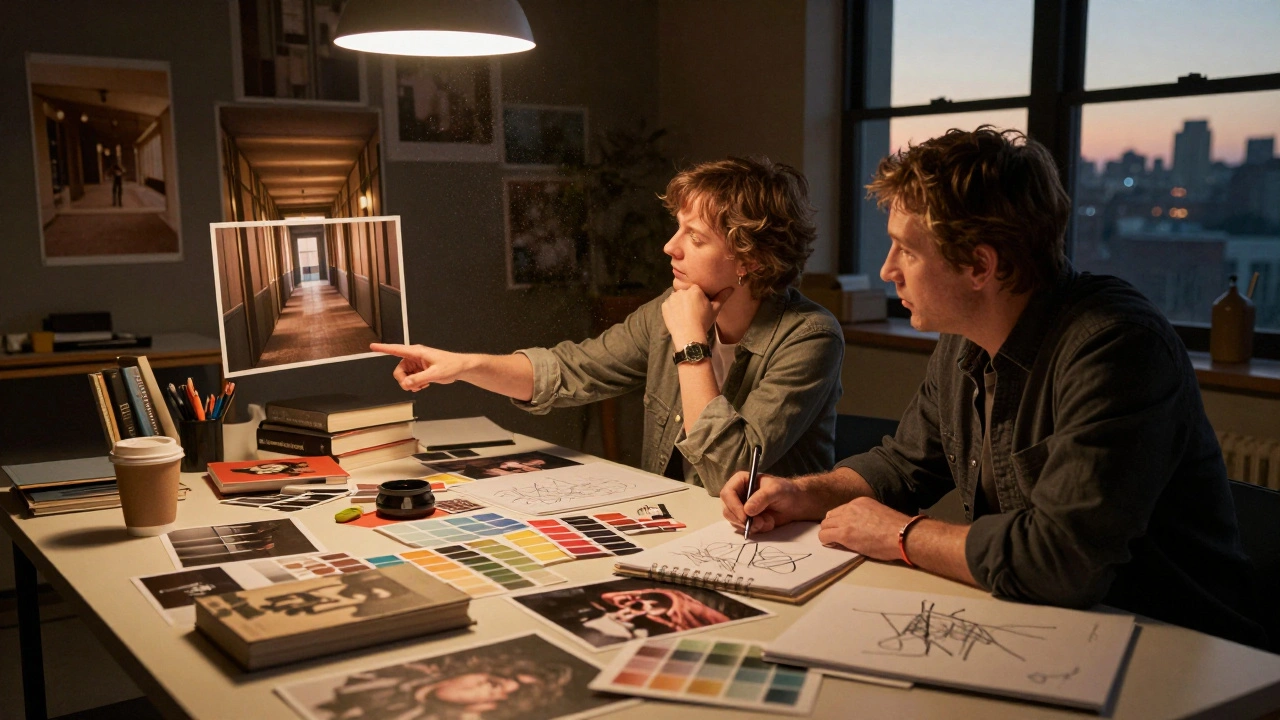
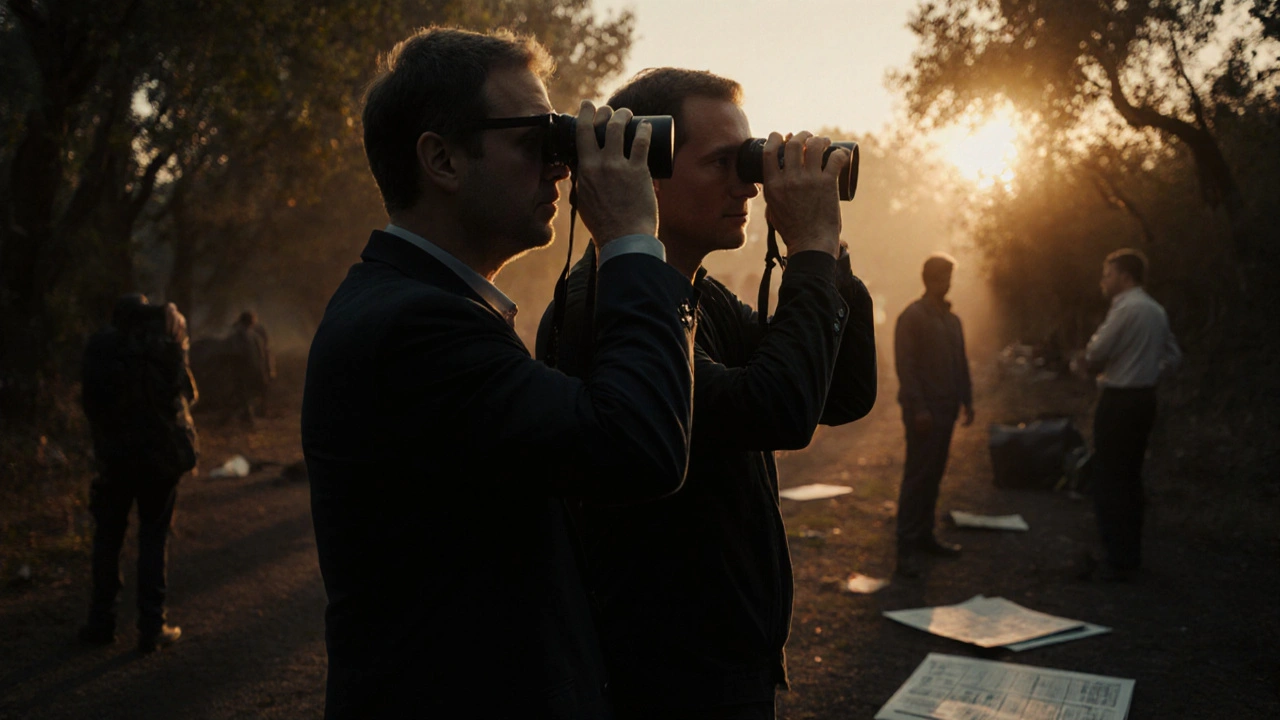
A director of photography works hand-in-hand with the director to build the film’s visual tone. They choose lenses, set up lighting rigs, plan camera moves, and lead the camera and lighting crews. In indie films, they often wear multiple hats—handling exposure, color grading decisions, and even helping with set design. On big studio productions, they manage teams of assistants, gaffers, and key grips. Their tools aren’t just cameras and lights—they’re mood, rhythm, and emotion. A well-lit hallway can feel claustrophobic. A wide shot under natural sunlight can make a quiet moment feel epic. That’s the power they wield.
What you see on screen doesn’t happen by accident. The way shadows cling to a character’s eyes in a thriller? That’s the director of photography. The smooth glide through a crowded street in a drama? That’s their choreography with the dolly operator. The warm, faded tones of a memory sequence? They designed that color palette. Even in virtual production, where LED walls replace green screens, the director of photography still controls how light interacts with digital environments. They’re the ones making sure the digital looks real, and the real looks cinematic.
From low-budget documentaries shot on handheld rigs to streaming epics with multi-million-dollar lighting setups, the role stays the same: tell the story through light and motion. The posts below show how this role shows up in real films—whether it’s crafting intimate moments for indie dramas, managing complex lighting on virtual sets, or working with limited gear to make every frame count. You’ll see how directors of photography turn constraints into creativity, and how their choices shape what you feel before a single line of dialogue is spoken.