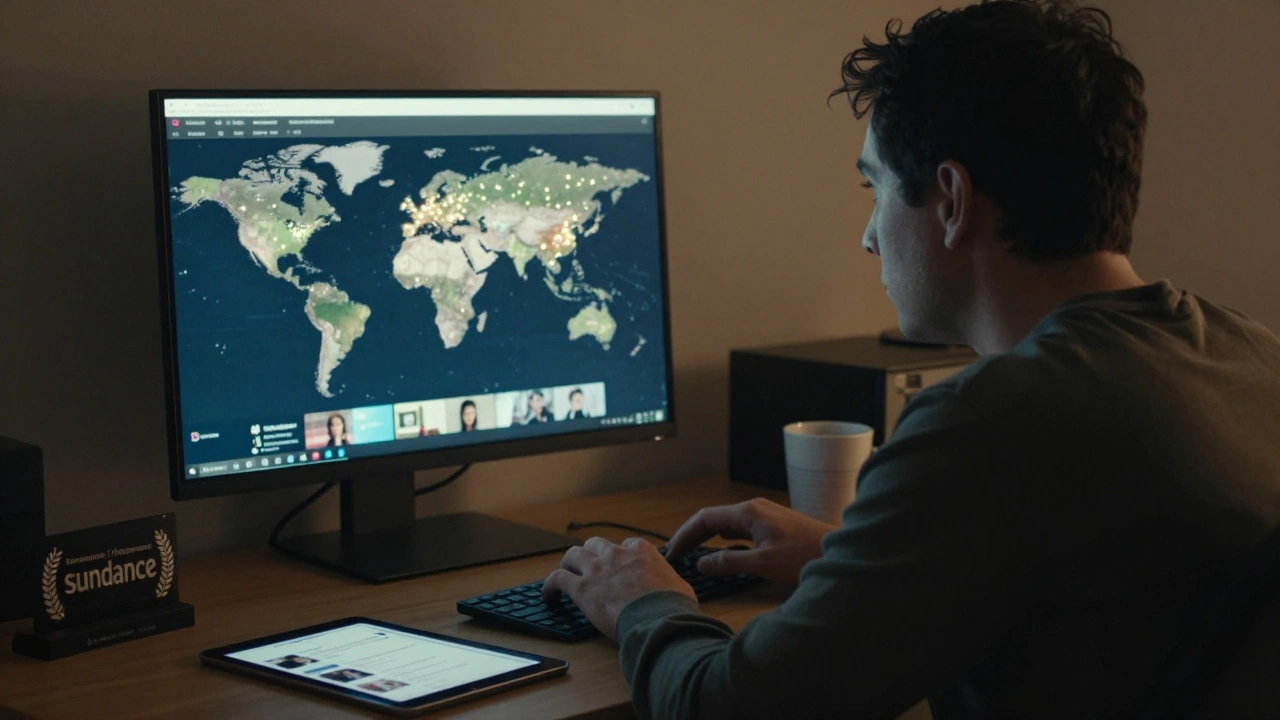
Digital Distribution: How Movies Reach Audiences Without Theaters
When you watch a movie on your phone, tablet, or TV through Netflix, Apple TV, or Amazon Prime, you’re experiencing digital distribution, the process of delivering films directly to viewers over the internet, bypassing physical media and traditional theaters. Also known as online film release, it’s no longer the future—it’s the main road most films take today. This shift didn’t happen because studios wanted to kill cinemas. It happened because audiences demanded control—when to watch, where to watch, and how much to pay.
Digital distribution isn’t just about streaming. It includes video-on-demand rentals, digital downloads, virtual cinema screenings, and even paid access through niche platforms like MUBI or Criterion Channel. These systems rely on streaming platforms, services that license or produce films for direct online viewing to handle delivery, marketing, and payment. But behind the scenes, film distribution, the business of getting films to viewers through any channel still requires contracts, rights management, and revenue tracking. Without proper film monetization, the systems that turn views into actual income for creators and investors, even a viral hit can leave filmmakers empty-handed.
What’s changed? The power balance. Ten years ago, a film needed a theater deal to matter. Now, a well-made indie film can skip theaters entirely and still reach millions—if it’s positioned right. Distribution isn’t just about getting your movie out anymore. It’s about choosing the right path: sell to a platform? Launch your own site? Use a hybrid model? Each choice affects who sees your film, how much you earn, and how long it stays visible.
The posts here show you how this works in practice. You’ll find guides on pre-sales financing that lock in digital rights before production, breakdowns of how CAM agreements protect cash flow from global digital sales, and real examples of how diverse films found audiences through targeted online campaigns—not big ad budgets. You’ll see how festival buzz turns into digital demand, how international markets buy rights for streaming, and why some films thrive on YouTube while others fail on Netflix.
This isn’t theory. It’s the real map of how movies live now. Whether you’re a filmmaker trying to get paid, a fan wondering why some films vanish after a festival, or just curious how your favorite movie ended up on your screen—this collection shows you the machinery behind the magic. No Hollywood hype. Just the facts of how digital distribution actually works today.