Digital Cinematography: How Modern Filmmaking Uses Technology to Capture Stories
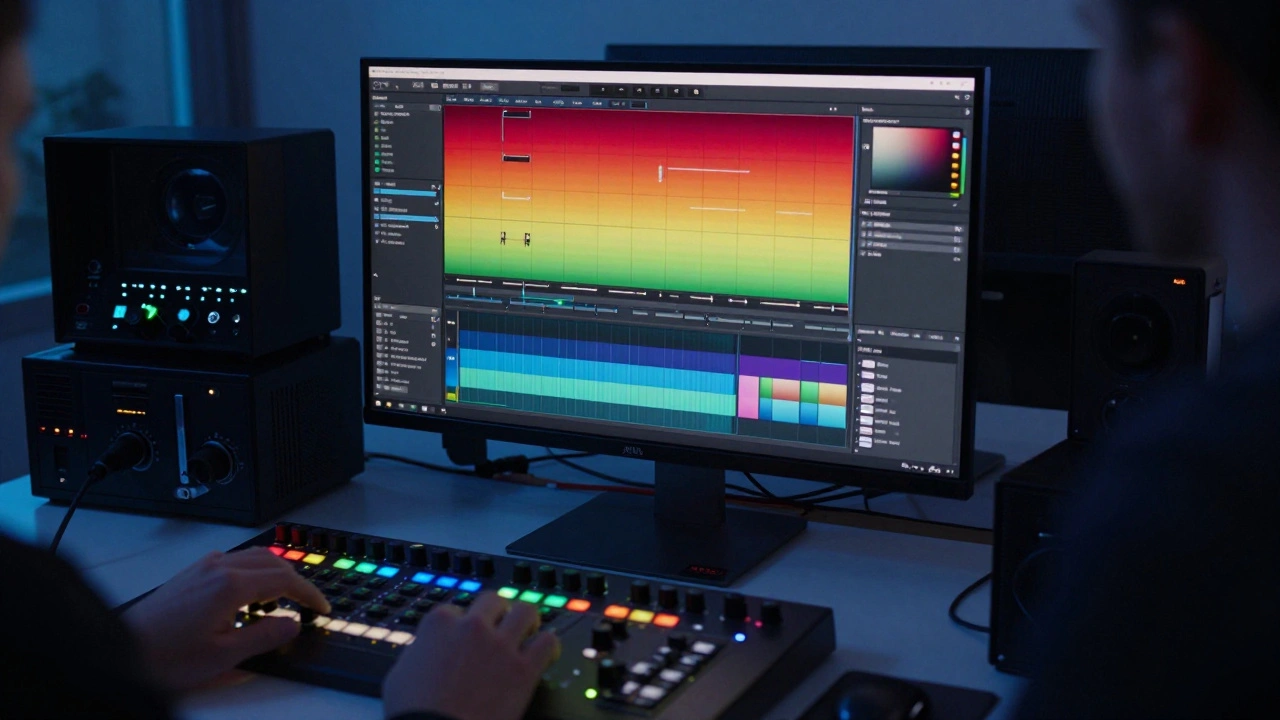
When you watch a movie today, what you’re seeing isn’t just a story—it’s the result of digital cinematography, the process of capturing moving images using digital sensors instead of film stock. Also known as digital filmmaking, it’s the foundation of nearly every film released since 2010, from intimate indies to massive superhero epics. This isn’t just about switching from film to a hard drive. It’s about how cameras, lighting, and post-production tools now work together to give directors total control over the look, feel, and timing of every frame.
Camera technology, the hardware used to record images digitally, including sensors, lenses, and recording formats. Also known as digital cameras for film, it has evolved fast—modern sensors now capture more detail than 35mm film, even in low light. Tools like RED, ARRI Alexa, and Sony Venice aren’t just tools; they’re creative instruments. Directors use them to shoot in extreme conditions, from underwater scenes to high-speed chases, without losing image quality. And because digital files are easier to work with, crews can review footage instantly on set, adjusting lighting or framing before moving on. This speed changes everything. On indie sets where time and money are tight, digital cinematography means fewer takes, less wasted film, and more room to experiment. It’s why films like Everything Everywhere All at Once could pull off wild visual shifts without blowing the budget.
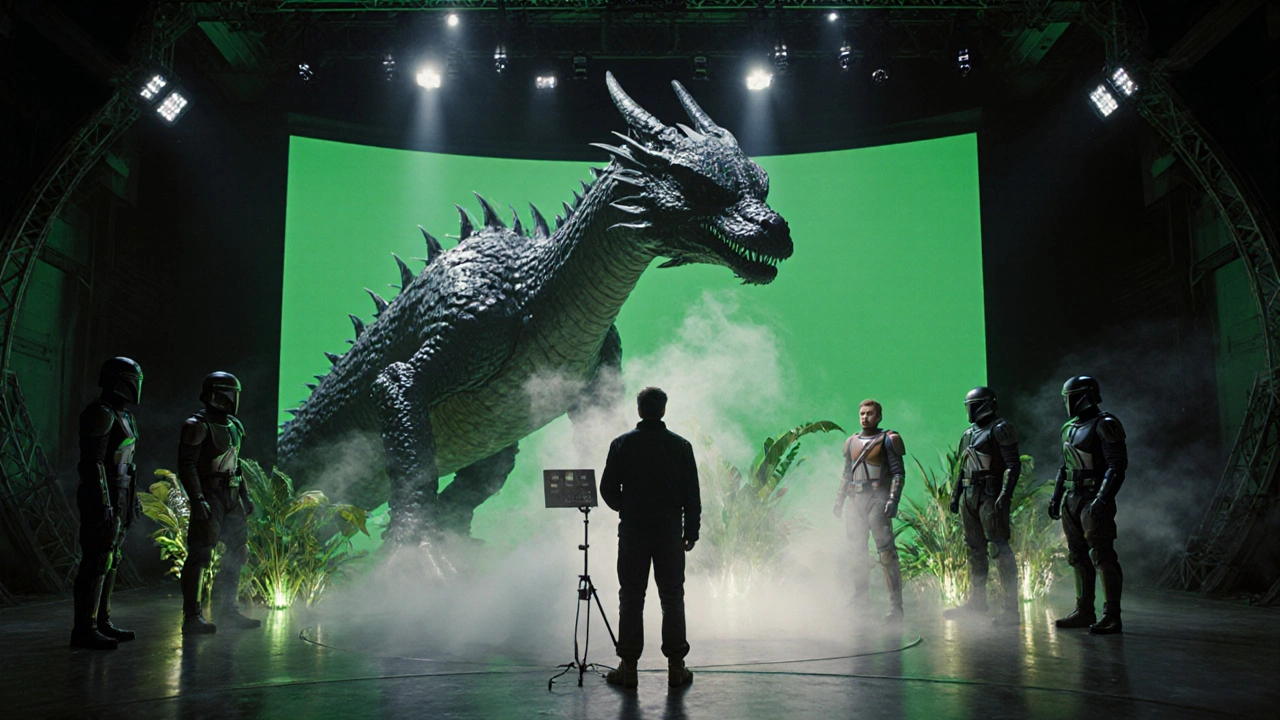
VFX, visual effects that blend digital elements with live-action footage. Also known as digital effects, it doesn’t exist in a vacuum—it relies on clean, high-quality digital footage to look real. Motion capture, for example, turns an actor’s real movements into a digital character, but only if the original footage is shot with precision. That’s why the same crew shooting an action sequence with a Steadicam might also be calibrating sensors for a dragon that doesn’t exist yet. Motion capture, a technique that records human movement and translates it into digital animation. Also known as performance capture, it’s used in films like Avatar and The Planet of the Apes to make digital characters feel alive. But it’s not just for monsters and aliens. Even subtle facial expressions in dramas are now enhanced with digital tools. These aren’t separate disciplines—they’re layers of the same process. Digital cinematography enables VFX. VFX needs motion capture. Motion capture needs good lighting and camera movement. They’re all connected.
What you’ll find in the posts below isn’t a list of gear specs or tech jargon. It’s real-world insight from filmmakers who’ve used digital tools to solve problems on tight budgets, impossible schedules, and in places where traditional film would’ve failed. You’ll see how camera choices affect storytelling, how lighting for action scenes gets hacked on the fly, and how even the quietest moments in film are shaped by digital capture. Whether you’re a student, a crew member, or just a movie lover, this collection shows how digital cinematography isn’t just a method—it’s the new language of cinema.