Digital Characters in Film: How Virtual Performers Are Changing Cinema
When you see a character on screen that isn't real—yet feels completely alive—you're witnessing digital characters, animated or computer-generated figures designed to perform like human actors in live-action films. Also known as CGI characters, they're no longer just background extras or monsters. They're protagonists, narrators, and emotional anchors in films that rely on them to tell stories no human actor could.
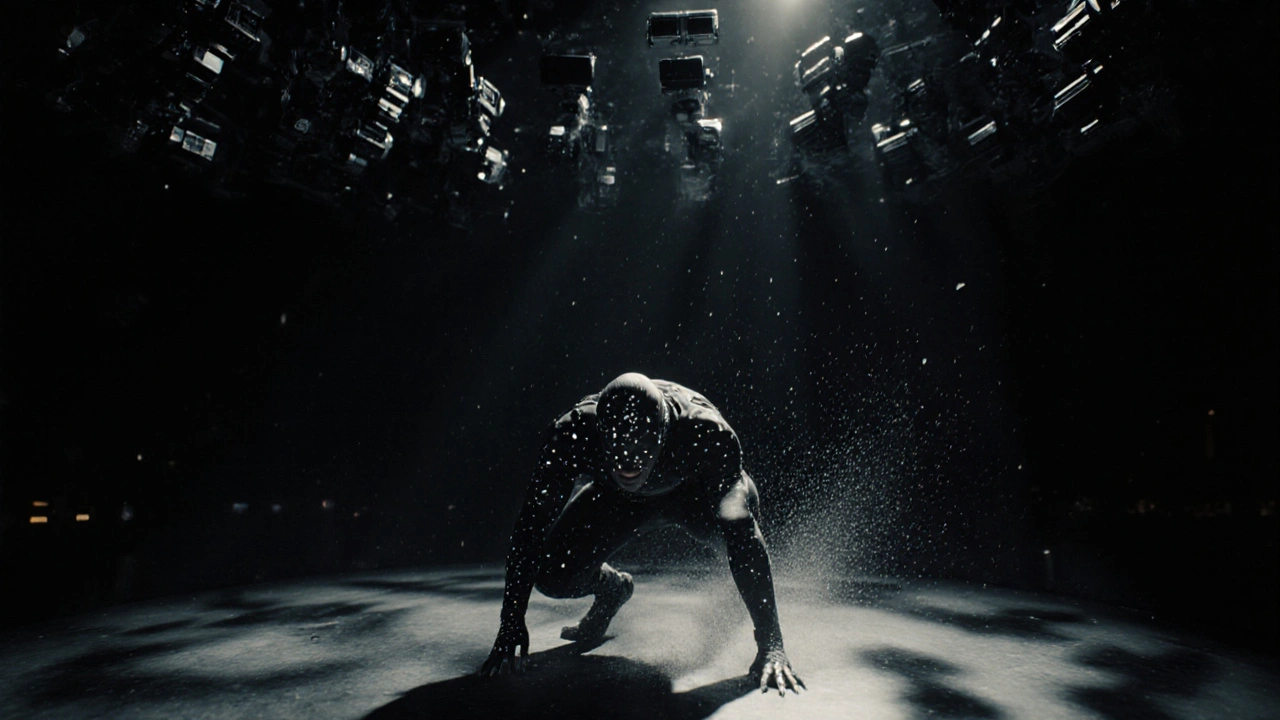
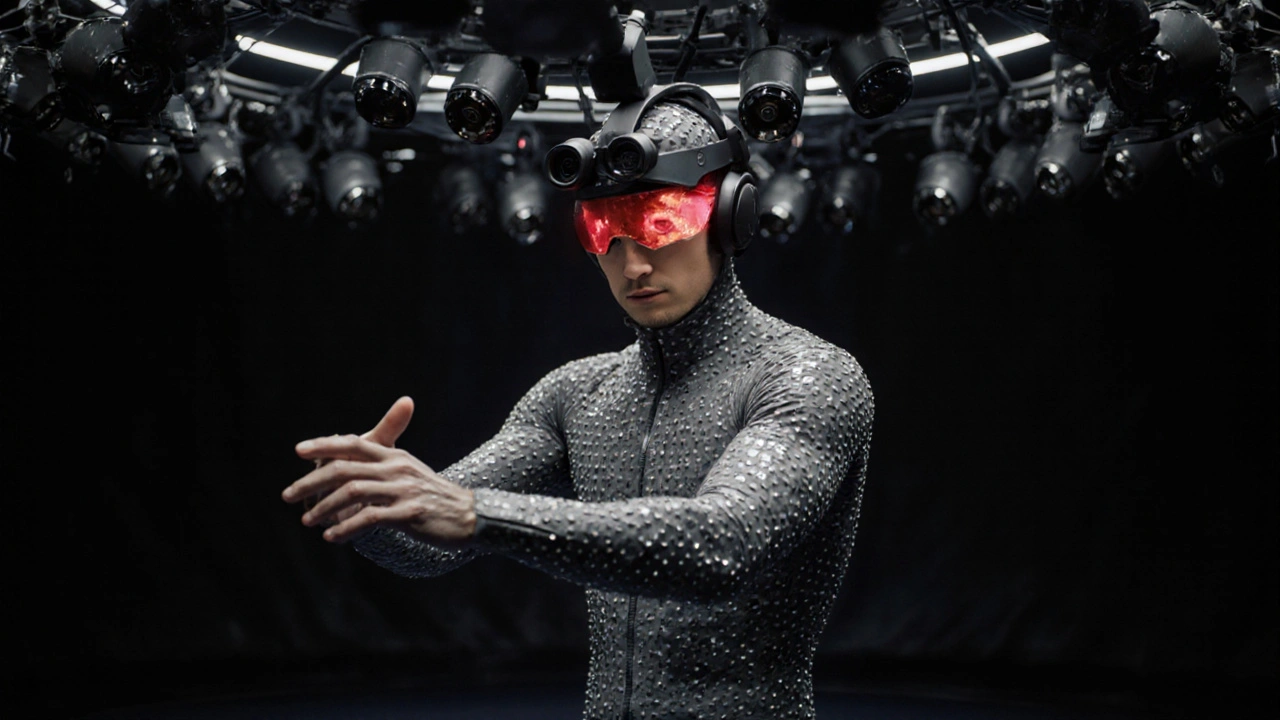
Digital characters require more than just rendering software. They demand performance capture, motion tracking, and deep collaboration between animators, actors, and directors. Think of Gollum in The Lord of the Rings, or the Na'vi in Avatar. These weren’t just drawn—they were performed. Actors wore suits with sensors, moved in empty studios, and gave emotional performances that were later translated into digital form. This process ties directly to virtual production, a filmmaking method using real-time digital environments and LED walls to create immersive sets. Studios now shoot scenes with digital characters already visible on screens around actors, so reactions feel real, not imagined. That’s why films like The Mandalorian feel so grounded, even when the main character is a CGI alien.
It’s not just about realism anymore. Digital characters are being used to bring back actors, create entirely new beings, and even act as stand-ins for dangerous stunts. In Deadpool, the character’s entire face was digitally enhanced to match Ryan Reynolds’ expressions, frame by frame. In Avatar: The Way of Water, digital characters aged, cried, and fought with a level of detail that fooled audiences into thinking they were real people. Behind the scenes, this relies on VFX, visual effects techniques that combine live-action footage with computer-generated imagery to create impossible scenes. But the real breakthrough isn’t the tech—it’s the trust. Directors now cast digital characters like they cast humans. They choose performances, not pixels.
And it’s not just big studios doing this. With tools like Blender and open-source pipelines, indie filmmakers are starting to build their own digital performers. You don’t need a billion-dollar budget to make a character feel real—you need a clear vision, good motion data, and the patience to refine every blink. That’s why you’ll find posts here about digital characters in everything from Oscar-winning epics to microbudget shorts. Some explain how pixel checks catch the smallest errors that break immersion. Others show how virtual sets replace green screens. There are even deep dives into how temp music influences how we feel about a CGI character’s sadness—or joy.
What you’ll find below isn’t just a list of articles. It’s a roadmap. From how digital characters are made to how they’re marketed, from the ethics of using AI to recreate dead actors to how festivals are starting to award them. This isn’t the future of cinema. It’s the present. And if you’re not paying attention, you’re missing the most important shift in film since color.