AVOD vs SVOD Economics: How Streamers Make Money from Films
AVOD and SVOD use completely different ways to make money from films. One relies on ads, the other on subscriptions. Here’s how each model works-and which one is winning right now.
When you watch a movie for free on a platform like Tubi, Pluto TV, or The Roku Channel, you’re using AVOD, ad-supported video on demand, a model where viewers get content at no cost in exchange for watching commercials. Also known as free streaming, it’s not just a backup option anymore—it’s a major way people discover films, from indie darlings to classic blockbusters. Unlike paid subscriptions, AVOD doesn’t ask for a monthly fee. Instead, it trades attention for access. This shift is forcing studios, distributors, and indie filmmakers to rethink how they reach audiences. If your film can land on an AVOD platform, it doesn’t need a theatrical run to find viewers—it just needs to be seen.
AVOD doesn’t work in isolation. It’s tied to film distribution, the process of getting a movie from production to viewers. For small films, AVOD is often the only viable path after festivals. It’s also connected to streaming platforms, digital services that deliver video content over the internet. But unlike Netflix or Hulu, which pay for exclusive rights, AVOD platforms rely on ad revenue and often license content from multiple sources. That means a single indie film might show up on five different AVOD services, each with its own audience. And because these platforms track what people watch, they can recommend films based on real behavior—not algorithms trying to guess your taste.
What makes AVOD powerful is how it rewards persistence. A film that flops in theaters can find a second life on Tubi if it connects with a niche audience. Look at The Invitation or Shiva Baby—both gained traction on AVOD after limited releases. Studios now plan for AVOD from day one, knowing that a film’s value isn’t just in its opening weekend. It’s in how long it can keep drawing viewers, ad after ad. Even big studios use AVOD to clear out older titles or test new genres without risking premium subscription space.
For filmmakers, AVOD means more control and more chances. You don’t need a sales agent to land on an AVOD service—you just need the right rights and a decent trailer. Many indie creators now release directly through AVOD partners like VHX or FilmHub, keeping a bigger share of revenue. And because these platforms pay based on views, not exclusivity, you can license the same film to multiple services at once. That’s a game-changer for films that can’t compete with Hollywood budgets but have strong stories.
AVOD also changes how films are made. If you know your movie will go straight to free streaming, you might skip expensive location shoots or chase a tighter schedule. You’ll focus on stories that hold attention through ad breaks—strong openings, clear stakes, and satisfying payoffs. That’s why you’re seeing more tight, character-driven thrillers and heartfelt dramas on AVOD platforms. They’re not made to be seen on big screens. They’re made to be watched on phones, tablets, and living room TVs while someone scrolls for the next thing.
What you’ll find in the posts below isn’t just theory. It’s real strategies from filmmakers who’ve used AVOD to break through. You’ll see how self-distributed films found audiences without studio help, how sales agents pitch to AVOD buyers, and how production choices shift when you know your film will be watched with ads. This isn’t the future of film—it’s already here. And if you’re making movies, you need to understand how it works.
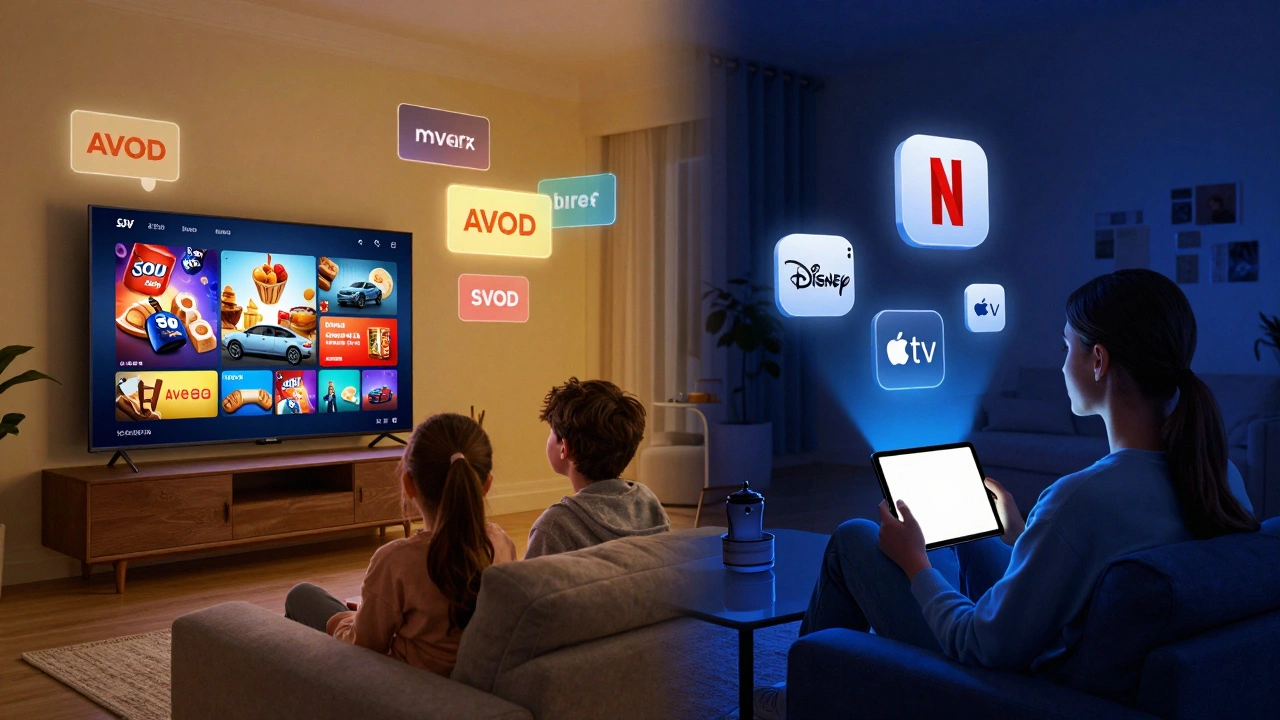
AVOD and SVOD use completely different ways to make money from films. One relies on ads, the other on subscriptions. Here’s how each model works-and which one is winning right now.
Late-window monetization lets studios earn money from old films on free streaming platforms like Tubi and Pluto TV. Discover how library films generate millions in ad revenue without new marketing.
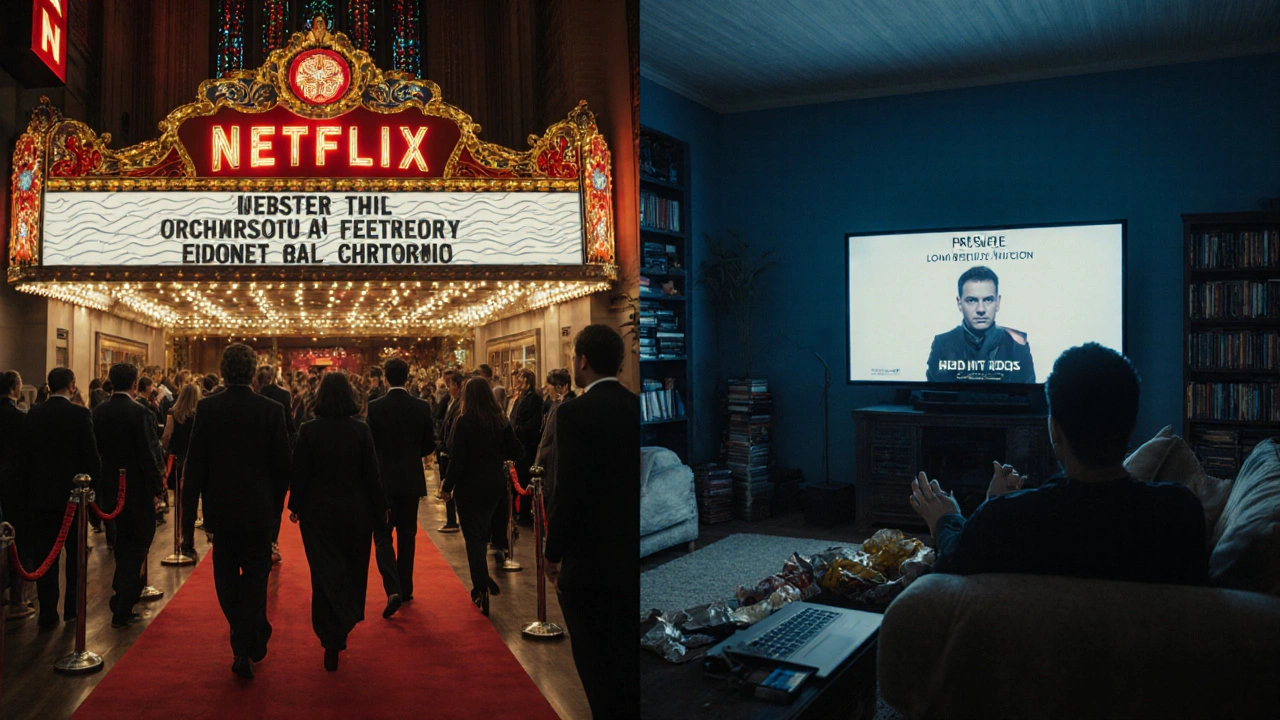
SVOD and AVOD are reshaping how films are released and marketed. SVOD offers ad-free exclusivity for big-budget films, while AVOD uses ads to monetize lower-budget titles. The split affects filmmakers, studios, and viewers differently.