Audio Description: What It Is and Why It Matters in Film
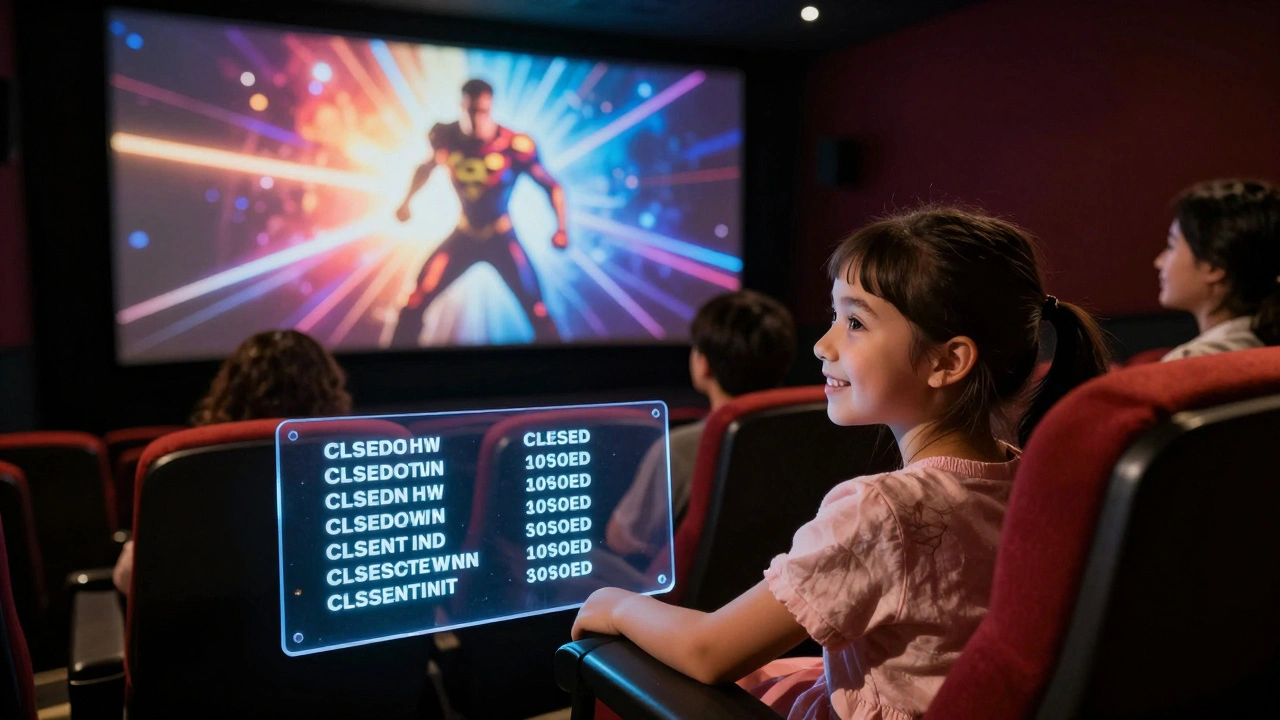
When you think of a movie, you probably picture the visuals—the way light falls on a face, the tension in a chase scene, the subtle glance that says everything. But for millions of people who are blind or have low vision, those moments are invisible unless someone describes them. That’s where audio description, a narrated track that explains visual elements in films and TV shows during natural pauses in dialogue. Also known as descriptive audio, it turns what’s seen into what’s heard, making cinema truly inclusive. It’s not just a feature—it’s a right. And it’s becoming more common than you think.
Audio description doesn’t just read the screen. It’s carefully timed to fit between lines of dialogue, and it picks up on the things that drive emotion: a character’s trembling hands, the color of a dress that signals a mood shift, the way a room empties out after a revelation. It’s used in theaters, streaming platforms, and home media. Major studios and streaming services like Netflix, Disney+, and Amazon Prime now include it as standard. But it’s not just about compliance. Good audio description enhances storytelling for everyone—even sighted viewers notice details they missed before. It’s a bridge between the visual and the emotional, and it’s built by trained narrators who understand pacing, tone, and silence.
Behind every good audio description track is a team: editors who sync the narration, writers who choose the right words, and sometimes, filmmakers who plan scenes with it in mind. It’s not an afterthought—it’s part of production. And as accessibility laws tighten globally, studios are realizing that inclusive design isn’t charity. It’s smart business. People who use audio description aren’t just watching movies—they’re buying tickets, subscribing to services, and demanding more. The rise of accessible cinema is tied to bigger conversations about representation, from casting to crew hiring. If a film doesn’t consider who can’t see it, it’s leaving out a whole audience.
What you’ll find here are real stories about how audio description is made, how it’s changing film culture, and the people fighting to make sure no one misses out on the magic of cinema. From indie shorts to Oscar contenders, these posts show you how a single spoken line can change how a whole community experiences a movie.