Animated Shorts: What Makes Them Powerful, Popular, and Profitable
When you think of animation, you might picture feature films or streaming series—but the real heartbeat of the industry often lives in animated shorts, brief, self-contained animated stories that pack emotion, innovation, and artistry into under 10 minutes. Also known as short animation, these films are where new talent breaks through, studios test bold ideas, and audiences discover unforgettable moments in just a few minutes. Unlike long-form content, animated shorts don’t need big budgets or wide releases to make an impact. They thrive on creativity, timing, and emotional punch. A single minute of perfectly timed animation can stick with you longer than a two-hour movie.
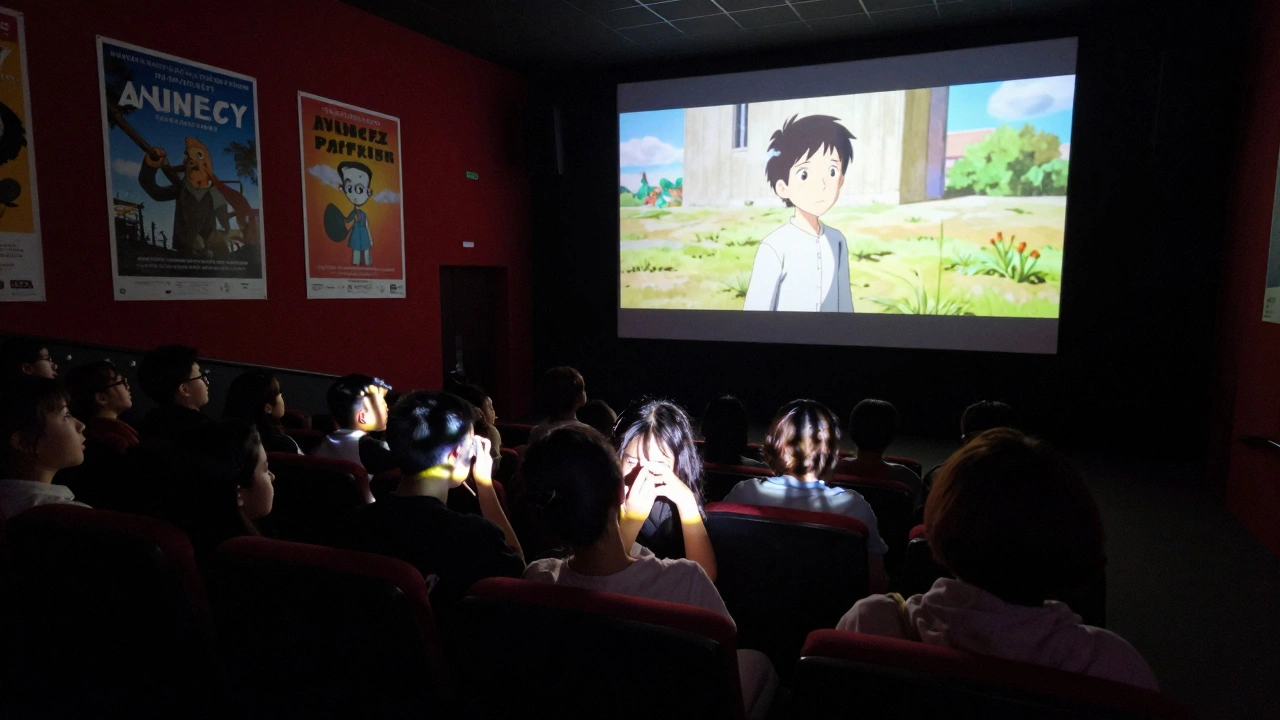
Many of today’s biggest animation studios started with shorts. Pixar’s Luxo Jr. wasn’t just a demo—it defined their voice. Studio Ghibli used shorts to refine their style before tackling features. Even Netflix and Disney+ now commission shorts to test new artists, voices, and visual styles. These aren’t just filler content—they’re animation festivals, curated events like Annecy, Sundance, and Oscar-qualifying showcases that give short films visibility, credibility, and sometimes, careers. Winning at one of these festivals can get you a development deal, a studio contract, or even a feature film greenlight.
What makes a great animated short? It’s not about fancy tech—it’s about character-driven animation, telling a clear, emotional story through movement, expression, and silence. The best ones use minimal dialogue, rely on visual storytelling, and often focus on universal feelings: loneliness, joy, grief, wonder. You don’t need a full crew or a $10 million budget. Many are made by single artists working in their garages, using free software and pure grit. And that’s why they’re so powerful—they’re raw, personal, and unfiltered.
There’s also a growing trend of animated shorts tackling real-world issues—mental health, immigration, climate anxiety—without ever saying a word. These aren’t just cute cartoons. They’re miniature documentaries, poetic experiments, and social commentaries wrapped in motion. And with platforms like YouTube, Vimeo, and Apple TV+ giving them spotlight slots, they’re reaching audiences who never go to theaters.
What you’ll find in this collection isn’t just a list of titles. It’s a roadmap. You’ll see how top animators nail lip sync to make characters feel alive, how indie studios stretch tiny budgets into stunning visuals, and why character IP like Hello Kitty thrives in short form. You’ll learn what festival curators look for, how streaming platforms use shorts to discover new talent, and why the quietest animations often leave the loudest impression. This isn’t about watching short films—it’s about understanding why they’re shaping the future of animation.