Acting on Set: How Performances Shape Films Behind the Scenes
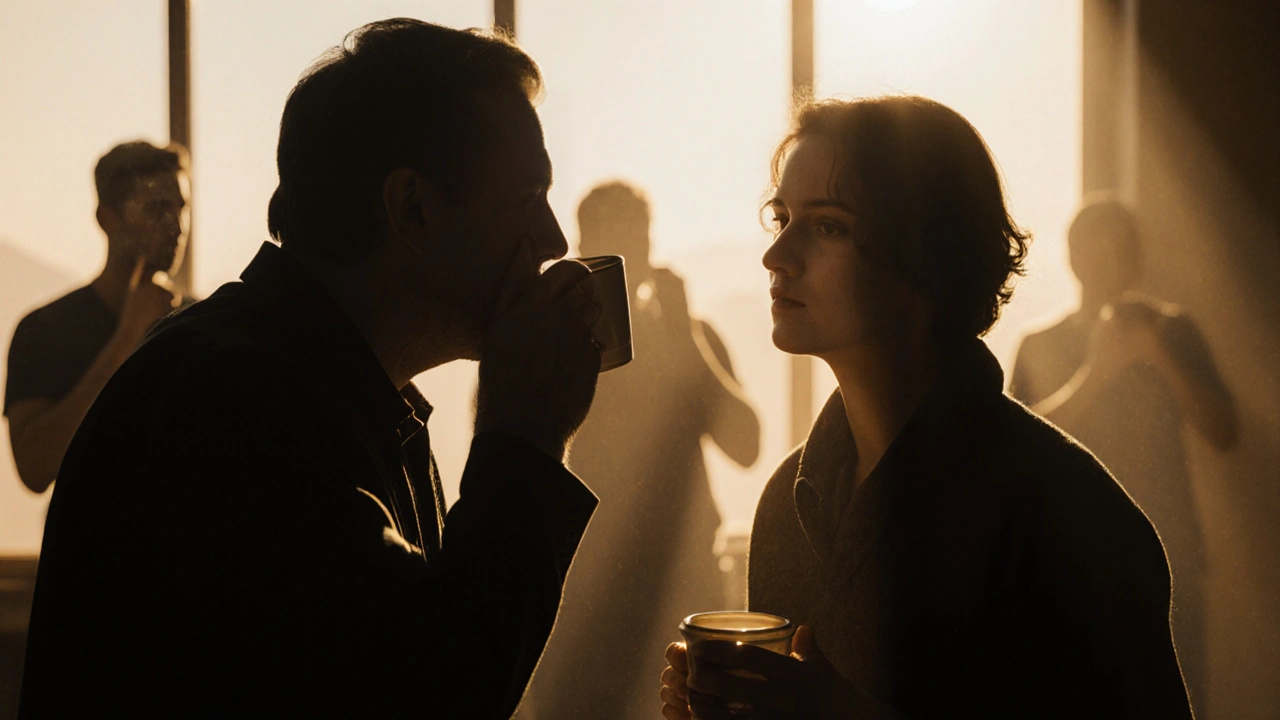
When you think of acting on set, the live, physical performance of actors during filming, often under challenging conditions and with evolving technology. Also known as on-camera performance, it's the raw core of every film—whether it's a quiet indie drama or a giant sci-fi epic with digital creatures. It’s not just about memorizing lines. It’s about reacting to light, sound, and other actors in real time, often while pretending a green screen is a alien planet or a crumbling city. The best performances happen when the actor forgets the camera and just lives in the moment—even if that moment is being recorded by motion sensors or watched through a monitor by a VFX team hundreds of miles away.
motion capture, a technology that records an actor’s movements and translates them into digital characters. Also known as performance capture, it’s changed how we see characters like Gollum, Caesar the ape, and Neytiri from Avatar. These aren’t cartoons drawn by animators—they’re real human performances, captured frame by frame. The actor’s facial expressions, subtle shifts in posture, even the way they breathe are all preserved. That’s why audiences feel something when they watch a digital character cry or laugh. It’s not CGI magic—it’s acting, translated. And on set, the actor isn’t wearing a silly suit with balls on their head. They’re in full costume, often with prosthetics, interacting with real props and other actors, just like in a traditional film. The difference? The camera isn’t just recording—they’re tracking every muscle twitch.
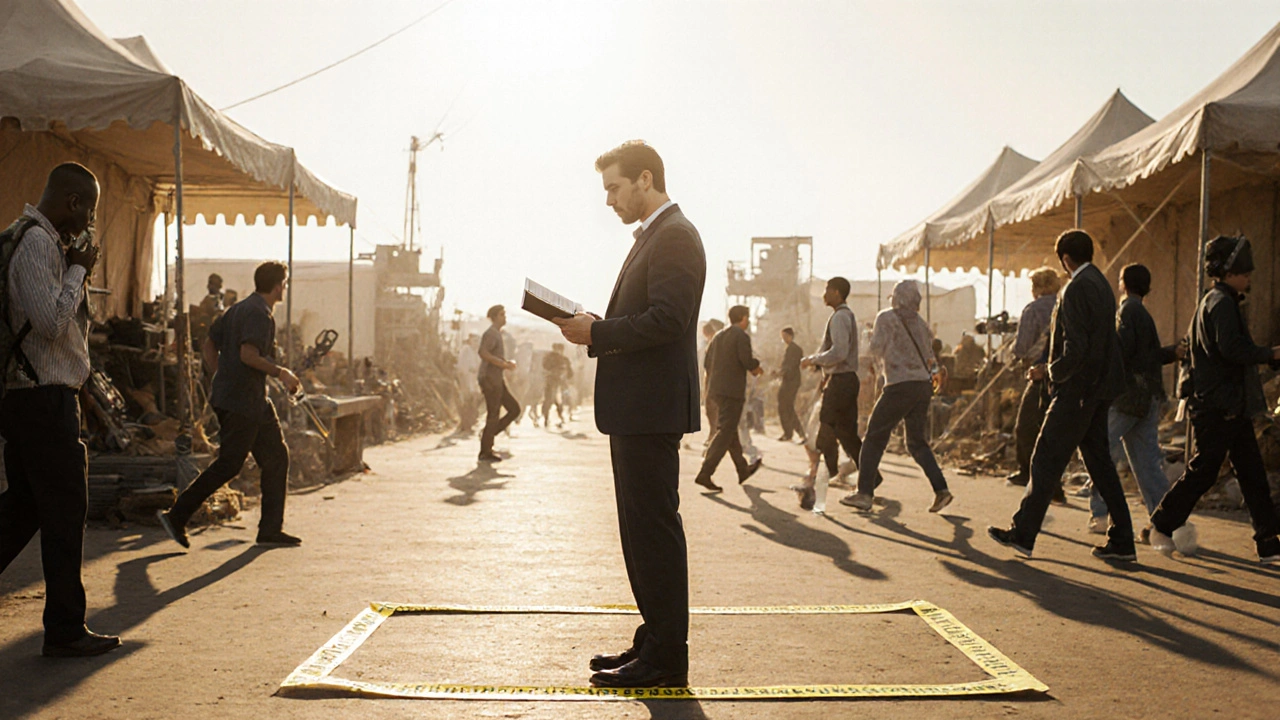
That’s why VFX acting, the practice of performing for visual effects-heavy scenes where the environment or co-stars aren’t physically present. is its own skill. You’re not just reacting to a tennis ball on a stick—you’re selling an entire world that doesn’t exist yet. A great VFX actor doesn’t just wait for the CGI to be added. They build the scene in their head, feel the weight of the alien weapon, hear the roar of the dragon, and respond like it’s real. That’s why actors like Andy Serkis and Zoe Saldana are praised not just for their tech-savvy performances, but for their emotional depth. The camera doesn’t care if the dragon is real. It only cares if the actor’s fear, joy, or rage feels true.
On a microbudget film, acting on set might mean one take under a hot sun with no crew to help. On a blockbuster, it might mean wearing a full-body sensor suit in a soundstage for twelve hours straight. Either way, the goal is the same: make the audience believe. That’s why the best films—whether they’re silent dramas or digital epics—always come back to one thing: a human being, fully present, telling a story with their body and voice. You won’t find that in a script. You find it in the silence between lines, in the way an actor looks away when they’re supposed to cry, in the small, unscripted moment that somehow becomes the scene’s heartbeat.
Below, you’ll find real stories from filmmakers and actors who’ve navigated the wild, unpredictable world of performance on set—from capturing emotion in motion capture studios to making magic with no budget, no green screen, and just a camera and a story worth telling.