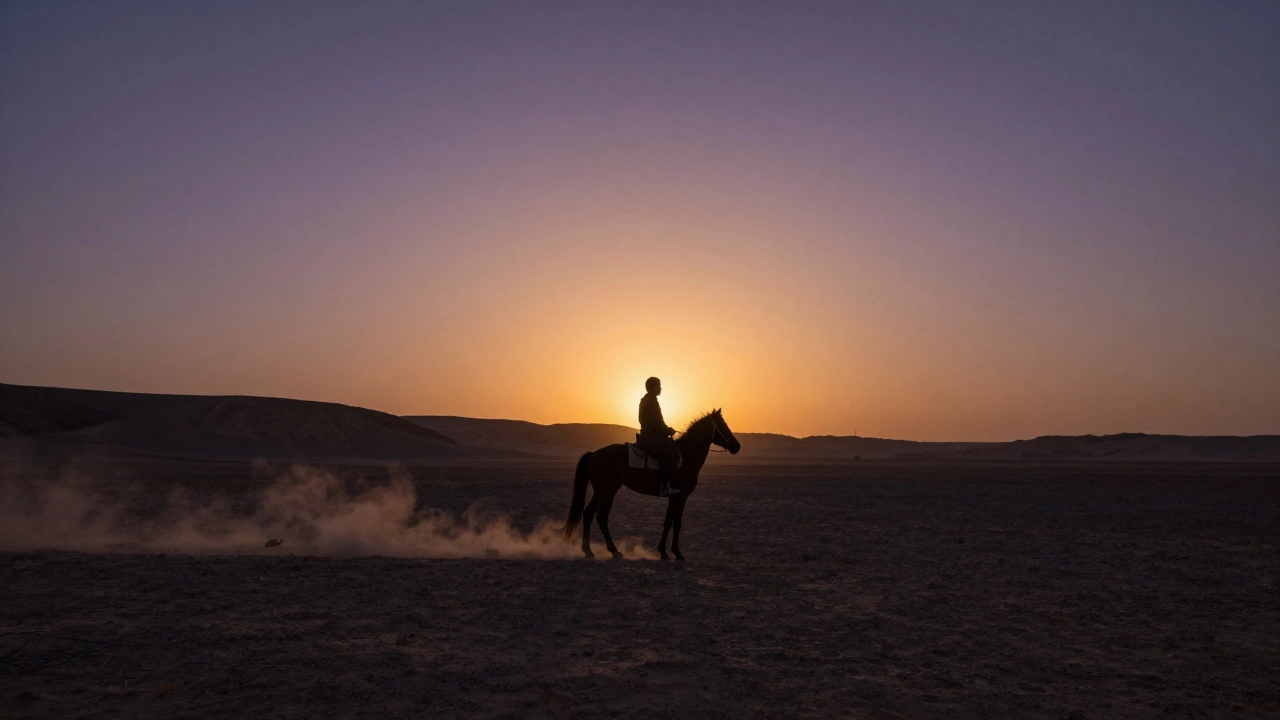
Western Films: Classic Tropes, Modern Revivals, and the Stories That Shaped the Genre
When you think of western films, a film genre centered on the American Old West, typically featuring cowboys, outlaws, and frontier justice. Also known as cowboy movies, it isn’t just about horses and six-shooters—it’s about isolation, morality, and the cost of freedom. These stories don’t just take place in the 1800s; they reflect how we see power, justice, and identity even today. The western films you love—or hate—are built on a few timeless patterns: the lone sheriff, the outcast with a code, the town that needs saving, and the open road that offers no guarantees.
But the genre didn’t stay stuck in the dust. Spaghetti Western, a subgenre of western films produced in Italy during the 1960s and 70s, known for gritty realism, morally ambiguous characters, and Ennio Morricone’s iconic scores turned the formula on its head. Clint Eastwood’s antihero in A Fistful of Dollars wasn’t a hero—he was a survivor. Meanwhile, frontier storytelling, the narrative tradition in western films that explores the tension between civilization and wilderness, often through personal redemption or violent transformation still drives modern takes like Hell or High Water and The Revenant. These aren’t nostalgia trips—they’re reboots with new questions: Who gets to be the hero? Who pays the price? And what happens when the land itself turns against you?
What you’ll find here isn’t just a list of old movies. It’s a look at how the genre’s bones—its lighting, its pacing, its silence—are still being used by filmmakers today. You’ll see how camera movement shapes the loneliness of a rider, how production design makes a town feel real without a single CGI fence, and why some films get praised by critics while others vanish without a trace. The posts below cover the craft behind the myth: how scores make a showdown feel inevitable, how casting choices redefine who gets to wear the hat, and why some westerns survive while others die in the dust. Whether you’re here for the dust storms or the deep cuts, you’ll find the stories that made the genre—and the ones still being written.