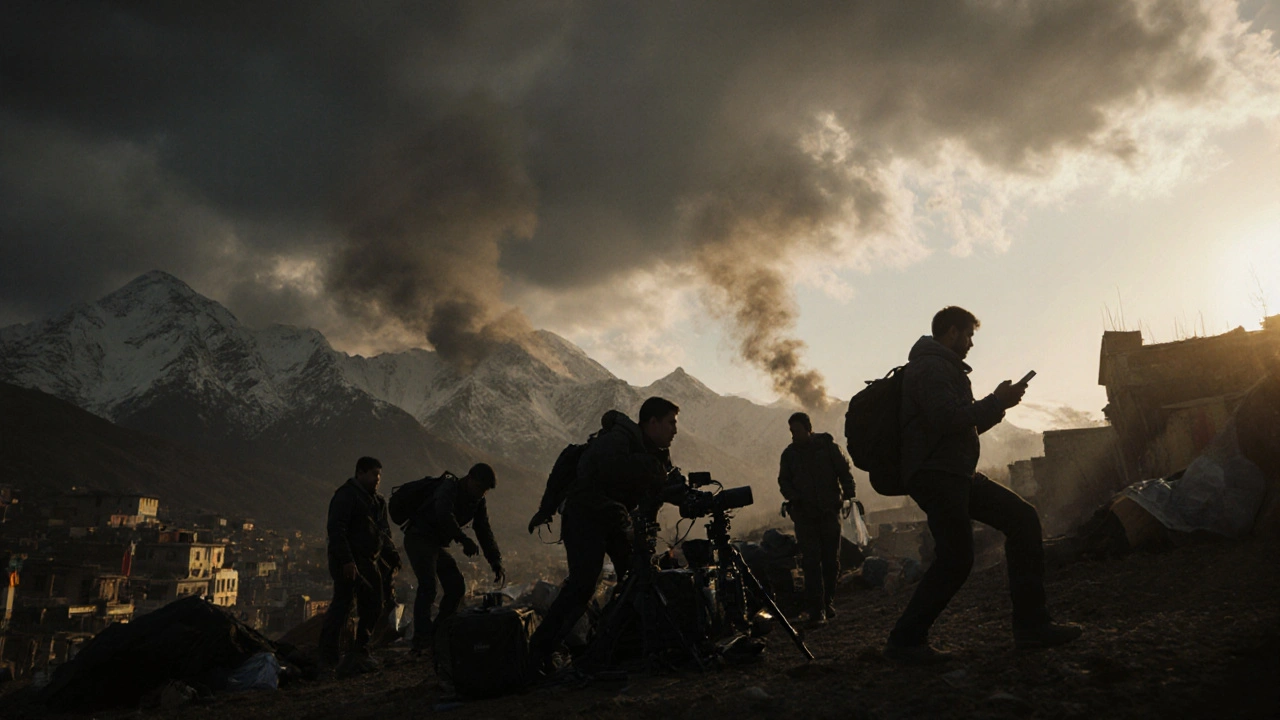
Weather Disruption Insurance: Protecting Film Productions from Climate Risks
When a storm shuts down a shoot in Georgia, or a heatwave forces a crew to halt filming in Thailand, weather disruption insurance, a specialized policy that covers financial losses when weather halts production. Also known as production delay insurance, it’s not optional anymore—it’s basic protection for any film with a schedule and a budget. This isn’t just about rain on a set. It’s about lost days, overtime pay, equipment damage, and missed distribution windows. In 2024, over 40% of independent productions reported weather-related delays, and nearly half of those had no coverage. That’s not luck—it’s a gamble no producer should take.
Weather disruption insurance ties directly to other key parts of modern filmmaking. It works alongside slate financing, a strategy where multiple films are funded as a group to spread risk—because if one shoot gets hit by a hurricane, the whole slate doesn’t collapse. It also connects to production hubs, locations like Hungary or Canada chosen for tax breaks and reliable infrastructure. Producers don’t just pick a place because it’s cheap—they check its historical weather patterns, flood zones, and seasonal risks. And when you’re using virtual production, LED walls that replace green screens with real-time digital backdrops, weather still matters. If the real-world location floods, those expensive LED stages can’t operate without power, lighting, or access.
What does this insurance actually cover? Lost days due to wind, snow, lightning, or extreme heat. Extra costs for moving equipment or relocating crews. Damaged gear from humidity or storms. Even penalties from streaming platforms if a release gets pushed back. It doesn’t cover every storm—there are exclusions, like hurricanes in known hurricane zones unless you pay extra. But for a $50,000 indie film, a $3,000 policy can save $200,000 in losses. For a $10 million streamer series? It’s the difference between breaking even and losing millions.
You’ll find real examples in the posts below—how producers in Georgia handled a record heatwave, how a documentary crew in Thailand used insurance after monsoon season wiped out a shoot, and why even low-budget films now include weather clauses in their contracts. These aren’t theory pieces. They’re field reports from filmmakers who’ve been caught off guard—and learned how to protect themselves. Whether you’re shooting with a smartphone or an LED volume wall, if your schedule depends on the sky, you need this coverage. Here’s what works, what doesn’t, and how to get it right.