Wardrobe on Set: How Costumes Shape Character and Story in Film
When you think about what makes a character feel real, you might picture their dialogue or their performance—but often, it’s their wardrobe on set, the collection of clothing and accessories chosen to define a character’s identity, status, and emotional journey in a film. Also known as film costume design, it’s one of the first things an audience notices, even if they don’t realize why it matters. A detective in a rumpled trench coat isn’t just dressed for rain—they’re dressed for exhaustion, guilt, or a life half-lived. A teenager in oversized band tees isn’t just following trends—they’re screaming rebellion without saying a word.
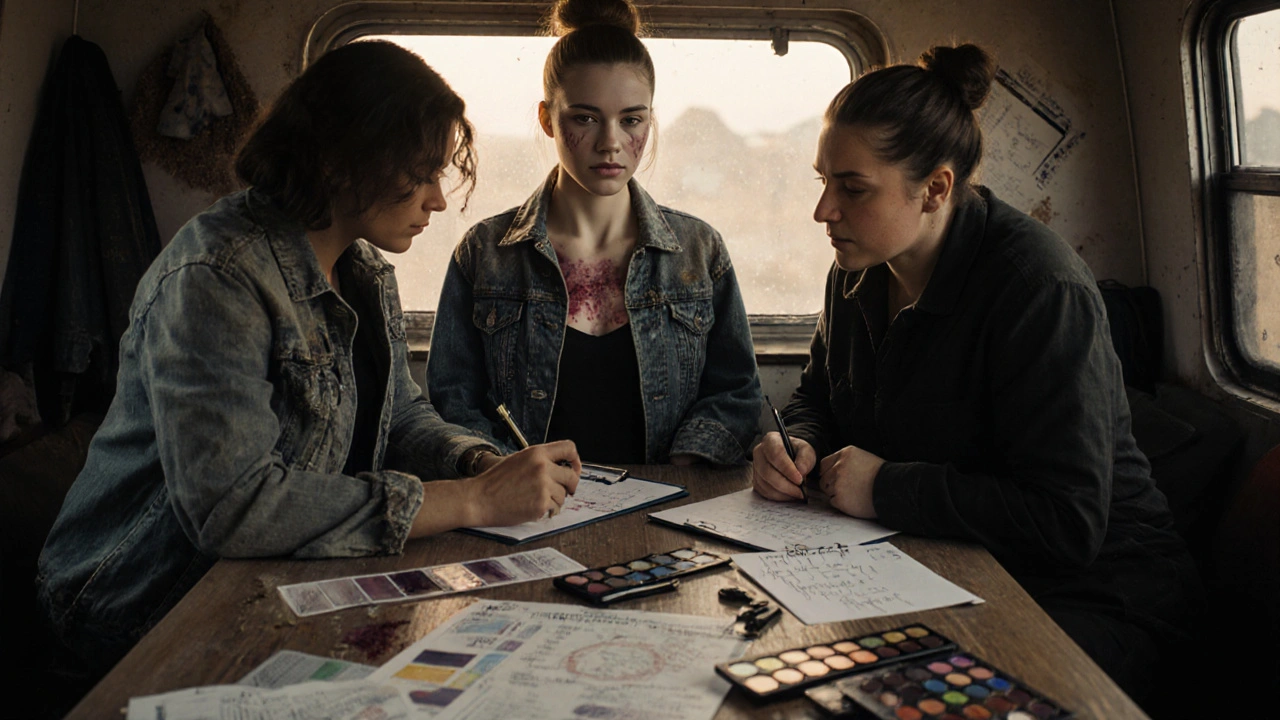
The costume department, the team responsible for sourcing, designing, and managing every garment worn by actors during filming works silently but powerfully. They don’t just pick outfits—they build timelines, track character arcs, and match fabrics to lighting conditions. A wrinkled shirt in scene one might be perfectly pressed by scene ten to show growth—or torn and stained to show decay. The movie wardrobe, the complete set of clothing items used throughout a production, from lead roles to background extras has to feel lived-in, consistent, and intentional. It’s not just about style; it’s about truth. A $2000 suit worn by a broke character in a 1980s drama isn’t just expensive—it’s a lie the character is trying to sell, and the costume team knows it.
Wardrobe choices connect directly to performance. Actors often say their character starts to feel real once they put on the right clothes. A heavy coat might slow down a walk. Tight shoes might make a character fidget. A uniform can change how someone holds their body. The character clothing, the specific garments assigned to a character to visually communicate their role, emotions, and evolution becomes part of the script. In low-budget films, the wardrobe team might repurpose thrift store finds to build a whole world. In big productions, they might spend months researching historical accuracy or designing custom pieces that only appear for five seconds.
What you see on screen is the result of hundreds of decisions: color palettes synced to the lighting, fabrics that move right under cameras, shoes that don’t squeak on set, and clothes that age properly across shooting days. It’s not magic—it’s meticulous work. And when it’s done right, you don’t notice it. You just believe the character.
Below, you’ll find real insights from filmmakers and costume teams on how clothing shapes stories—from indie films with $500 budgets to blockbusters where every stitch is planned. Whether you’re a filmmaker, a fan, or just curious about what happens behind the scenes, these stories show why wardrobe on set isn’t decoration—it’s storytelling in fabric.