Visual Effects: How Digital Magic Shapes Modern Movies
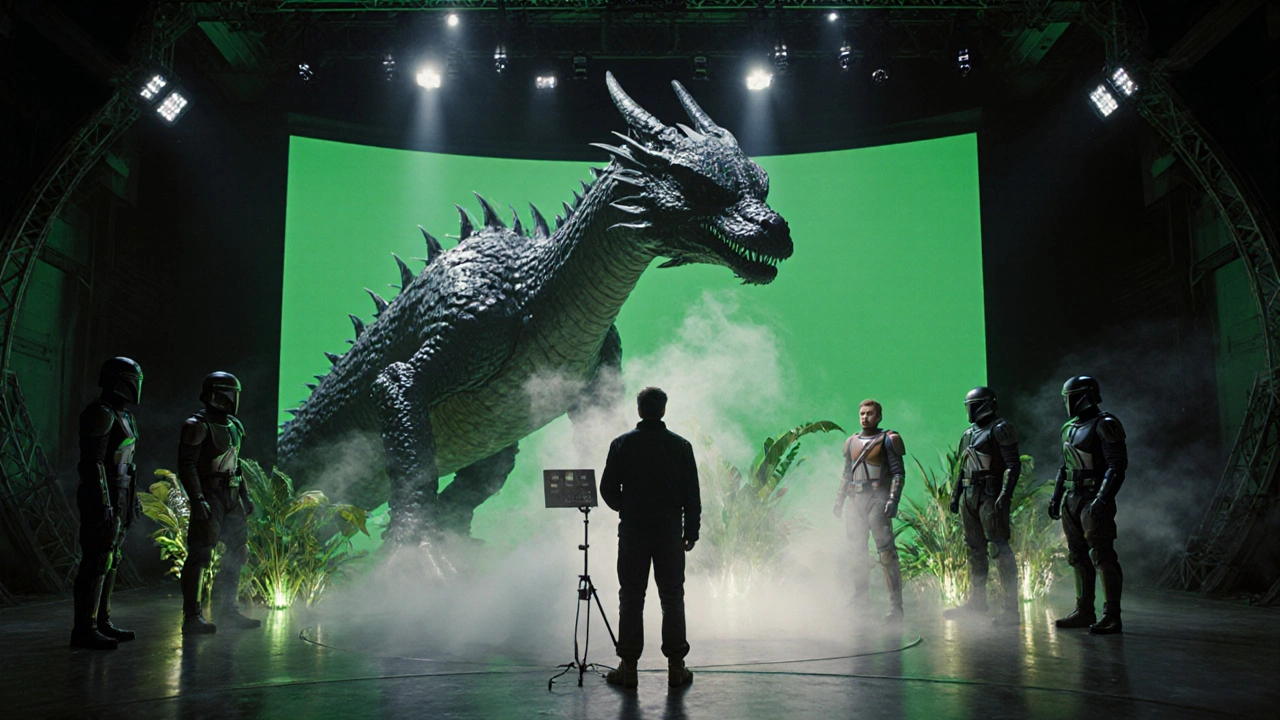
When you see a dragon breathe fire, a superhero fly through a collapsing city, or a character that’s entirely computer-generated but feels more real than the actor beside them—that’s visual effects, the process of creating or manipulating imagery outside live-action filming to enhance or create scenes that can’t be shot physically. Also known as VFX, it’s not just CGI—it’s the art of making the impossible feel inevitable. Every blockbuster you’ve watched in the last decade, from Avatar to The Lord of the Rings, leans on visual effects to build its world. But it’s not about flashy explosions. It’s about emotional truth. A digital character has to move, react, and breathe like a real person—or the whole illusion breaks.
That’s where motion capture, a technique that records an actor’s movements and translates them into digital characters using sensors and software. Also known as performance capture, it bridges the gap between human acting and digital creation. Think Andy Serkis as Gollum or Caesar in Planet of the Apes. The actor’s face, voice, and body aren’t just referenced—they’re the foundation. Without motion capture, digital characters would feel robotic. With it, they carry grief, rage, and joy. And it’s not just for monsters. Even in live-action films, VFX removes wires, extends sets, adds crowds, and fixes lighting mistakes—all invisible, but essential.
Visual effects don’t exist in a vacuum. They’re shaped by budgets, deadlines, and the creative choices of directors who want something that can’t be done with a camera. That’s why you’ll find VFX tied to digital characters, computer-generated figures that interact with real actors and environments, often requiring years of work to perfect in films like Avatar or The Lion King. It’s also why studios now plan VFX early—sometimes before the script is final—because rendering a digital character can take months. And when money runs low? Teams get creative. They reuse assets, simplify simulations, or delay renders until funding comes through. It’s not magic. It’s problem-solving under pressure.
What you’ll find in this collection isn’t a list of the best VFX shots. It’s the behind-the-scenes truth: how motion capture drives performance, how digital characters are built from scratch, how indie filmmakers stretch limited budgets to deliver stunning visuals, and why some of the most powerful effects are the ones you never notice. You’ll read about how studios balance art and tech, how crews work without pay to get it right, and how the same tools that make dragons real also help tell quiet, human stories. This isn’t about who spent the most money. It’s about who used it best.