VFX Technology: How Digital Effects Shape Modern Movies
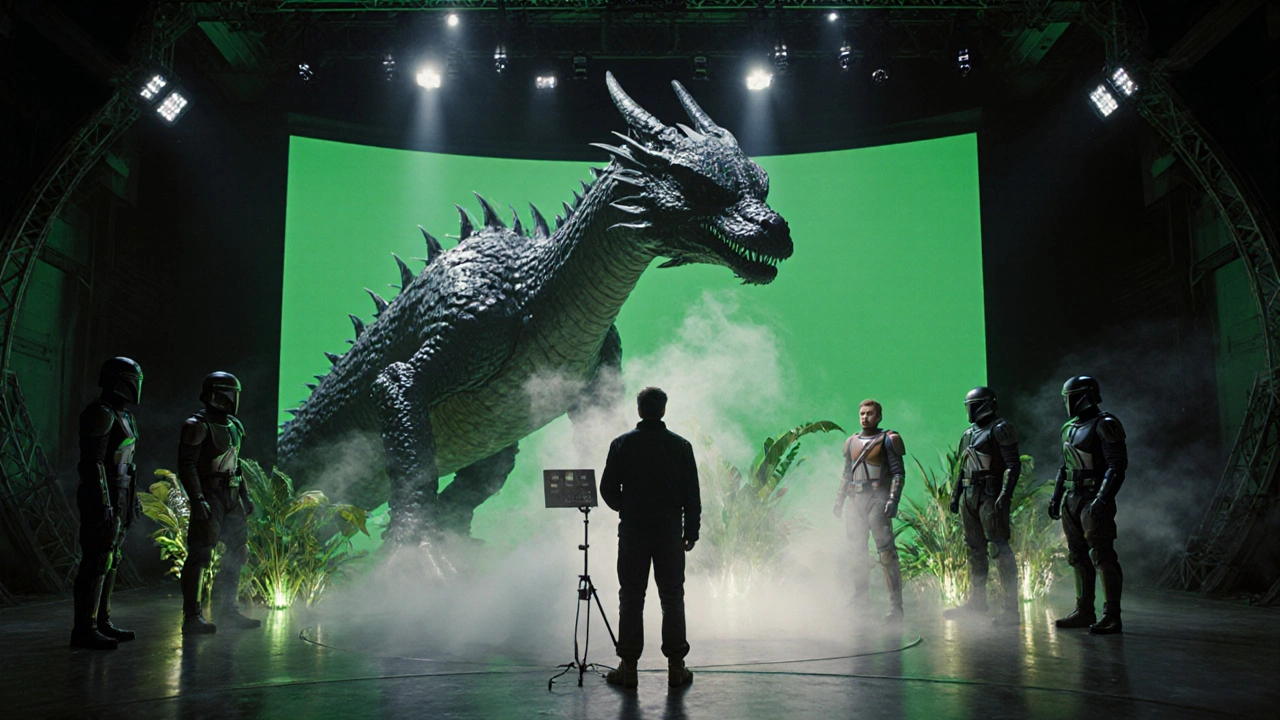
When you see a dragon breathe fire, a planet explode, or an ape speak with human emotion, you're witnessing VFX technology, the process of creating visual elements that can't be filmed in real life using computer-generated imagery and digital compositing. Also known as visual effects, it’s not magic—it’s a mix of acting, engineering, and artistry that’s now as essential to filmmaking as the camera itself. This isn’t just about explosions or aliens. VFX technology lets directors tell stories that would be impossible, dangerous, or too expensive to shoot for real. It’s why a gorilla can cry in a war zone, why a superhero flies through a collapsing city, and why a character made of pixels feels more real than the actor beside them.
At the heart of modern VFX is motion capture, a technique that records an actor’s movements and translates them into digital characters. Also called performance capture, it’s not just about tracking a body—it captures facial expressions, eye movements, even breath. Films like Avatar and Planet of the Apes didn’t just use CGI; they used real human emotion, recorded through sensors and turned into digital beings. That’s why Caesar the ape feels like a person, not a cartoon. This tech doesn’t replace actors—it gives them a new stage. And it’s not just for big studios. Even indie films now use affordable motion capture rigs to create creatures and environments that once needed Hollywood budgets. Related to this is the rise of digital characters, fully computer-generated figures that interact with live actors in the same space. These aren’t just background extras—they’re leads. Think of Gollum, Thanos, or the Na’vi. They’re not animated frame by frame anymore. They’re performed, recorded, and refined with the same care as any human role. The actor’s performance is the foundation, and VFX technology is the tool that brings it to life. Behind the scenes, this requires teams of animators, riggers, lighting artists, and data specialists working in sync. It’s not just software—it’s a whole new way of making movies.
What you see on screen is the result of years of refinement, trial, and error. Studios don’t just throw money at VFX—they plan for it from day one. Scripts are written with digital elements in mind. Actors train to perform against green screens and imaginary objects. Directors learn to direct performances that will later be enhanced, not replaced. And when budgets shrink, VFX teams find smarter ways to do more with less. That’s why you’ll find posts here about how indie filmmakers stretch limited resources, how studios time releases around VFX pipelines, and how motion capture is now used in everything from horror films to family animations. This isn’t just about looking cool. It’s about telling deeper stories, reaching new audiences, and pushing the limits of what cinema can be.
What follows is a curated collection of real-world examples and behind-the-scenes breakdowns. You’ll see how VFX technology is used in everything from Oscar-winning dramas to low-budget horror films. You’ll learn how digital characters are born from actor performances, how studios manage VFX timelines, and why some films succeed while others crash under the weight of their own effects. No fluff. Just how it’s really done.