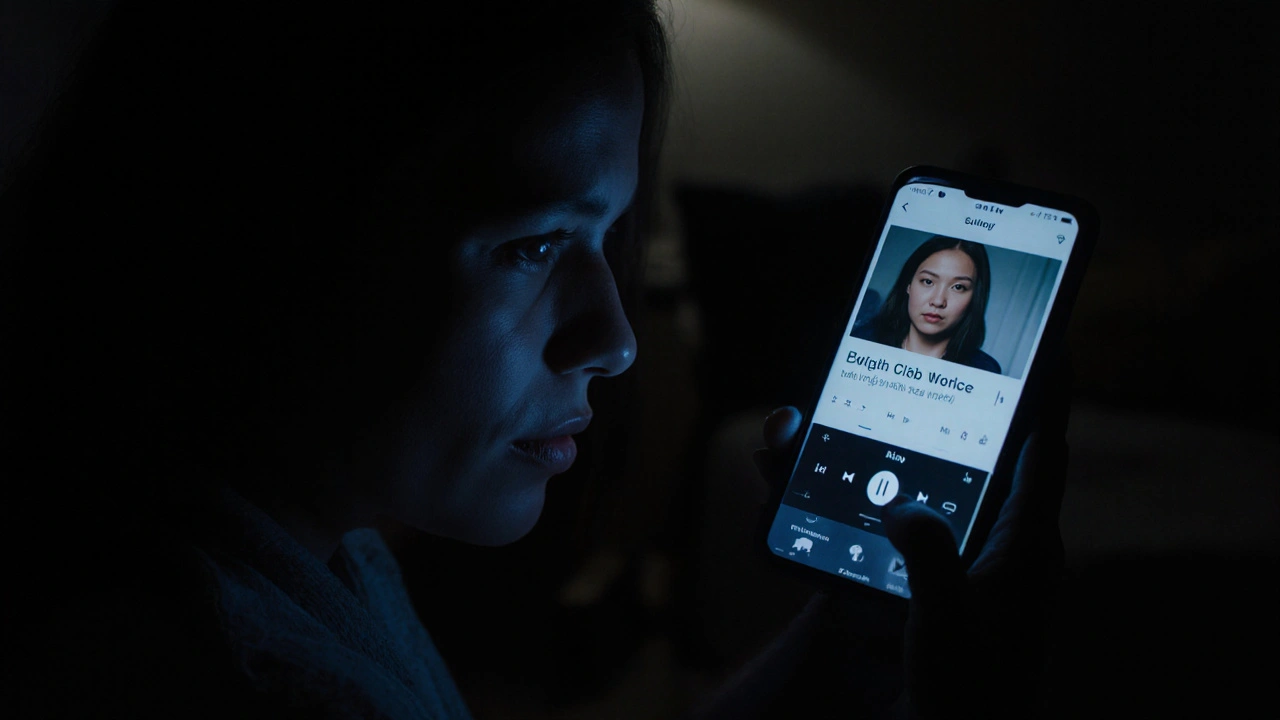
True Crime Innovation: How New Tech Is Reshaping Crime Documentaries and Storytelling
When we talk about true crime innovation, the use of modern technology to transform how real criminal cases are investigated, documented, and presented to audiences. Also known as tech-driven crime storytelling, it's not just about rehashing old cases—it's about rebuilding them with data, sound, and visuals that pull viewers into the truth. This isn’t your grandfather’s courtroom drama. Today’s true crime stories use facial recognition, voice analysis, geolocation mapping, and even AI to reconstruct timelines no one else could piece together.
Behind every hit documentary now is a team using tools once reserved for law enforcement. forensic technology, digital tools that analyze physical and digital evidence to support or challenge narratives in criminal cases. Also known as digital forensics, it’s what lets filmmakers show you exactly where a phone was at 2:17 a.m. or how a voice recording matches a suspect’s vocal fingerprint. These aren’t just fancy graphics—they’re the new evidence. And audiences know it. They don’t just want to hear about a crime; they want to feel like they’re sitting in the room when the breakthrough happens. That’s why shows now include interactive timelines, 3D crime scene walkthroughs, and binaural audio that makes you hear the rain outside the window during a key interview.
documentary filmmaking, the craft of telling nonfiction stories through film, often with deep research, ethical responsibility, and emotional impact. Also known as nonfiction cinema, it’s the backbone of true crime innovation. But today’s filmmakers aren’t just holding a camera—they’re managing cloud-based evidence databases, syncing hours of police radio chatter with GPS data, and using machine learning to find patterns in thousands of public records. The best ones don’t just report the facts—they build a case you can feel.
This shift isn’t limited to Netflix or HBO. Independent creators are using affordable tech—smartphones with high-res audio, open-source forensic software, and crowd-sourced tip platforms—to uncover stories big studios miss. A cold case in Ohio? A Reddit thread and a drone video might be all it takes to restart an investigation. The line between viewer and investigator is fading. And that’s why true crime innovation isn’t just a trend—it’s becoming the new standard for how we understand justice, memory, and truth.
What you’ll find below are real examples of how this is happening: how filmmakers are using virtual production to recreate crime scenes, how sound design turns silence into suspense, and how streaming platforms are changing what gets seen—and who gets heard. No fluff. No guesswork. Just the tools, techniques, and stories pushing true crime into a new era.