Thematic Storytelling in Film: How Core Ideas Drive Powerful Movies
When we say a movie has thematic storytelling, the deliberate use of central ideas to shape narrative, character, and emotion, we’re not talking about vague morals or preachy lines. We’re talking about the quiet, persistent heartbeat beneath every scene—the idea that lingers after the credits roll. It’s what makes The Power of the Dog more than a western, or Parasite more than a thriller. Thematic storytelling isn’t just about what happens—it’s about why it matters.
This kind of storytelling doesn’t need to be loud. It lives in the way a character avoids eye contact, the color of a room that changes over time, or the music that fades out just as the silence becomes unbearable. It’s tied to narrative structure, how events are arranged to reinforce the central message, and it’s shaped by cinematic meaning, the emotional and symbolic weight behind visual choices. You can’t force it. You can’t slap a theme on a script like a sticker. It grows from character decisions, setting, and even how the camera moves. That’s why so many scripts fail—they have plot, but no pulse.
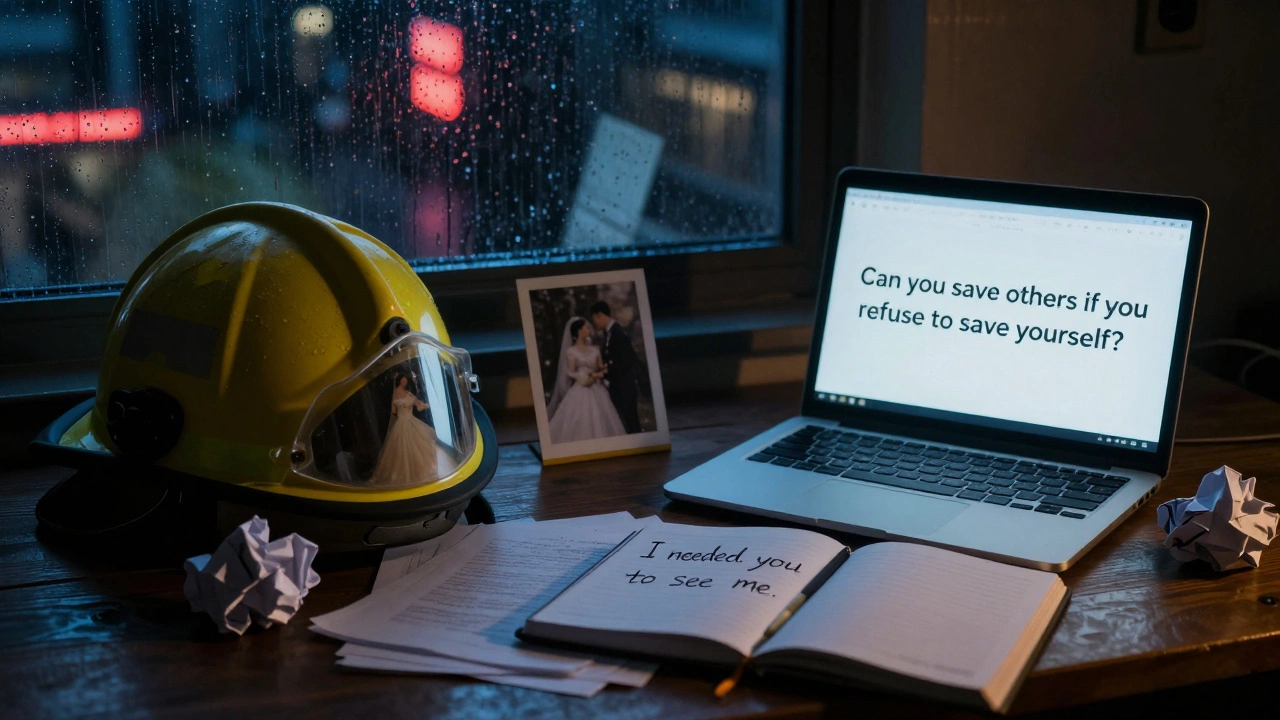
What separates the films that stick from the ones that vanish? They use story symbolism, objects, colors, or actions that carry deeper meaning beyond their literal role to echo the theme without saying a word. A rusted gate. A child’s toy left in the snow. A recurring song played on a broken radio. These aren’t decorations. They’re signals. And when they align with the story’s core idea, the audience feels it—even if they can’t name it.
Look at the posts below. You’ll see how film readers spot thematic depth—or its absence—in screenplays. You’ll find how composers build scores around emotional themes, how aspect ratios silently reinforce isolation or connection, and how casting choices can turn a character into a symbol of something bigger. This isn’t about fancy theory. It’s about what actually works on screen. And if you’ve ever wondered why some movies haunt you while others vanish, the answer is right here: it’s not the spectacle. It’s the silence between the notes.