Theatrical Movies: What Makes Them Different Today and Why They Still Matter
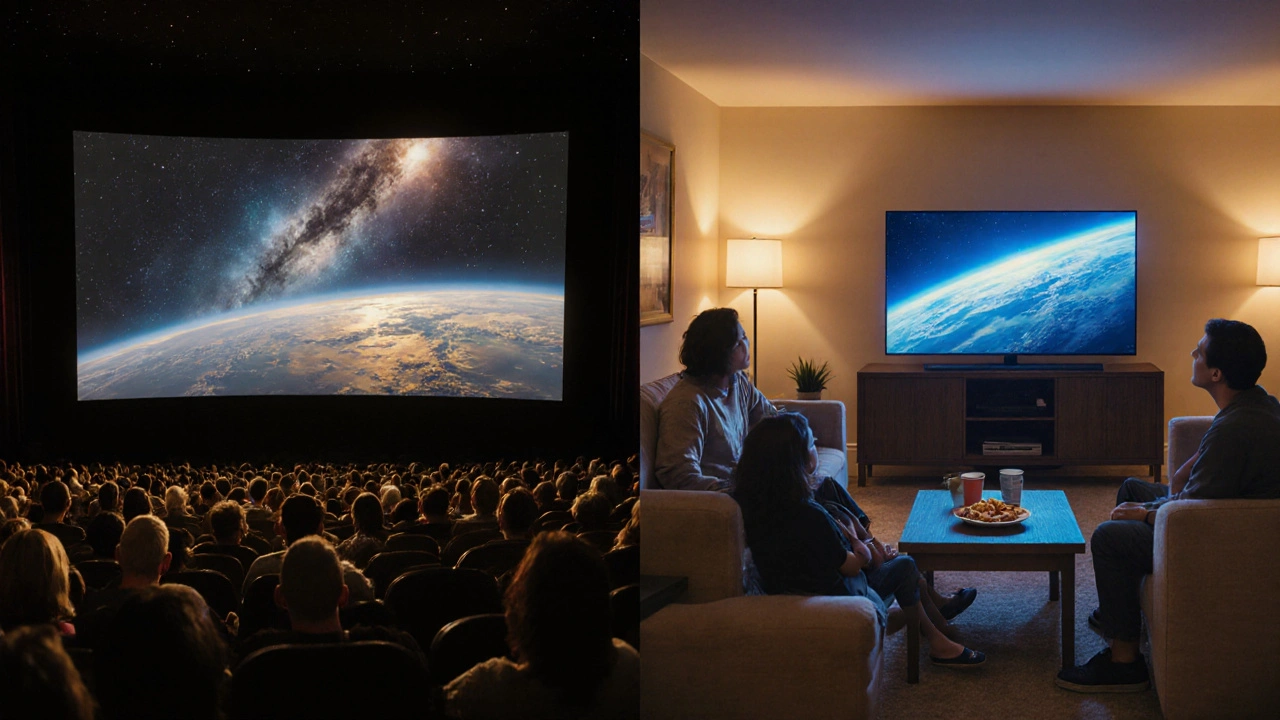
When we talk about theatrical movies, films designed for initial release in movie theaters rather than streaming platforms. Also known as cinema releases, they represent more than just a viewing format—they’re a shared cultural ritual that’s been evolving for over a century. Unlike streaming originals, theatrical movies rely on timing, scale, and the physical space of a theater to create impact. They’re built for big screens, immersive sound, and collective reactions—laughter, gasps, silence—that you can’t replicate at home, no matter how good your TV is.
The rise of streaming didn’t kill theatrical movies; it changed what they’re expected to do. Now, they’re often the big-event films: blockbusters with massive marketing, prestige dramas aiming for awards, and animated features targeting families. Studios still invest hundreds of millions in theatrical releases because they know the box office isn’t just about money—it’s about buzz. A film that opens strong in theaters gets talked about, reviewed, and remembered. That momentum carries over to streaming later. Meanwhile, independent films use theatrical runs as credibility builders, even if they only play in a handful of cities. It’s not about how many tickets sell—it’s about proving the film belongs on the big screen.
Behind every theatrical movie is a complex ecosystem. film distribution, the process of getting a movie from production to theaters. Also known as release strategy, it’s where decisions are made about when, where, and how wide a film opens. A film might open in 500 theaters one week and expand to 2,000 if it performs well. Or it might play in just 10 theaters for months, building word-of-mouth. Then there’s cinema experience, the full sensory package of watching a film in a theater—from surround sound to popcorn to the darkened room. Also known as immersive viewing, it’s what keeps people coming back even when they can stream anything at home. New tech like Dolby Cinema, 4K projection, and even haptic seating are pushing this further. And let’s not forget movie theaters, the physical venues where theatrical movies are shown. Also known as cinemas, they’re becoming hybrid spaces—hosting live events, game nights, and Q&As to stay relevant. Theaters aren’t just screens with seats anymore. They’re community hubs.
What you’ll find here isn’t just a list of articles. It’s a map of how theatrical movies survive, adapt, and still matter in a world where everything’s on demand. You’ll see how indie films fight for space, how streaming giants copy theatrical quality, how festivals launch films into theaters, and why a quiet character like Hello Kitty can outperform a big-budget original. This isn’t nostalgia. It’s the real, messy, exciting present of cinema—and you’re right in the middle of it.