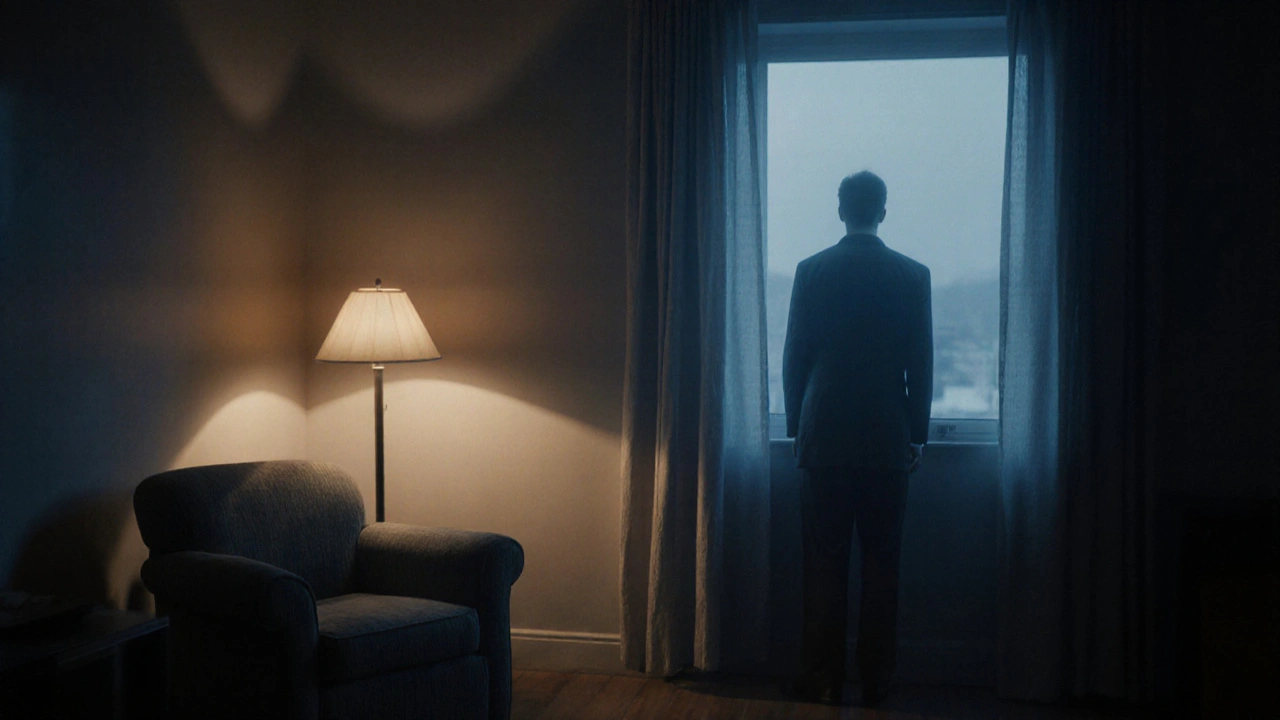
Tension in Cinema: How Silent Moments and Unspoken Conflict Drive Powerful Films
When we talk about tension in cinema, the deliberate buildup of emotional or psychological pressure that keeps audiences hooked without shouting or explosions. Also known as cinematic suspense, it’s what makes you lean forward in your seat—even when nothing is happening on screen. It’s not the jump scare. It’s the silence after the door creaks. It’s the way a character doesn’t answer the question, and you know something terrible is coming.
Tension in cinema relies on emotional tension in film, the internal struggle between characters or within a single person that viewers feel in their gut. Think of a mother hiding her fear while her child sleeps nearby, or a husband pretending everything’s fine while his wife stares at a letter she can’t bring herself to open. This isn’t drama—it’s truth wrapped in restraint. And it’s what separates good films from unforgettable ones. film tension techniques, the tools directors and editors use to stretch time, control pacing, and manipulate attention include lingering shots, withheld dialogue, sound design that cuts out music at the wrong moment, and framing that traps characters in the corner of the screen. These aren’t tricks—they’re language. Just like a writer uses commas and pauses, filmmakers use silence and stillness to say more than words ever could.
You’ll find tension in cinema everywhere in the posts below—not just in thrillers, but in quiet documentaries about climate refugees, in animated shorts where a child’s gaze says more than dialogue ever could, and in arthouse films where desire is shown through a hand brushing against a coat sleeve. It’s in how a sales agent waits for a buyer’s nod at AFM, how a first-time director holds their breath during a festival Q&A, and how a haptic suit vibrates just before a character takes a step into danger. This collection isn’t about explosions. It’s about what happens before the explosion. What happens when the camera doesn’t move. What happens when the audience realizes, slowly, that they’re not safe.