Tactile Cinema: How Physical Sensation Shapes Film Experience
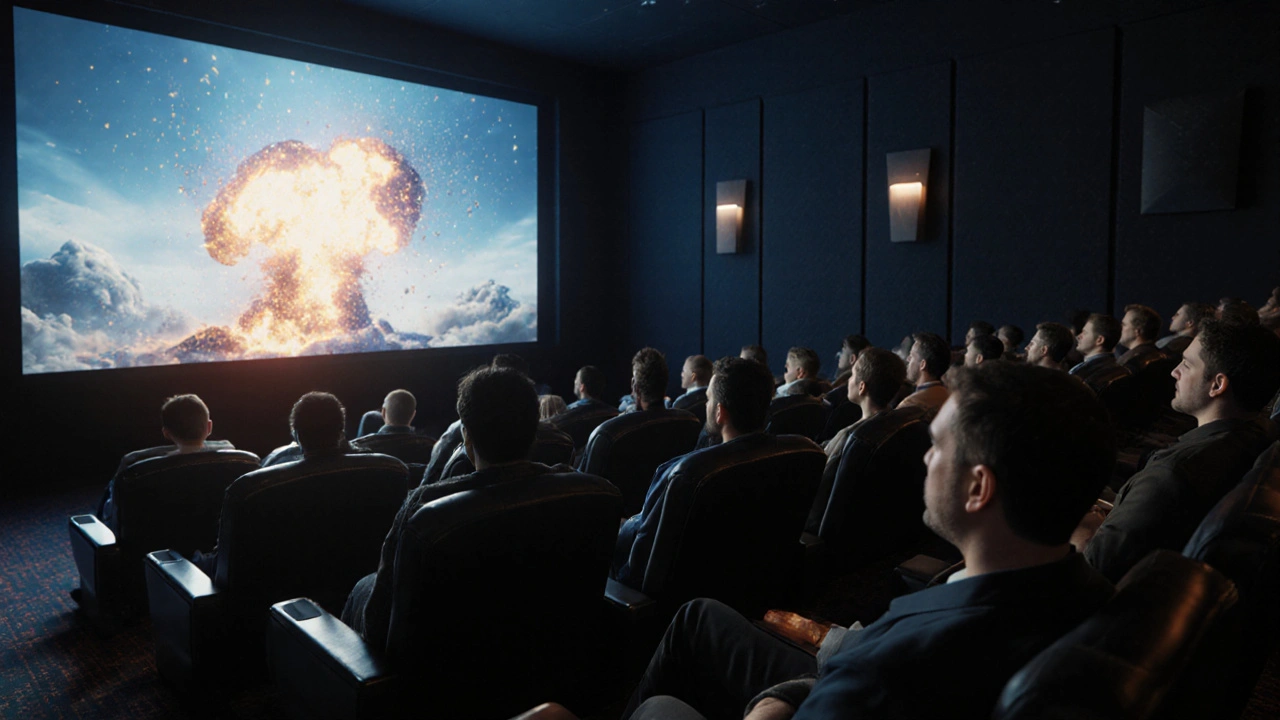
When we talk about tactile cinema, a filmmaking approach that prioritizes physical sensation over visual spectacle. Also known as haptic storytelling, it’s the kind of film where you feel the rain on your skin, the grit of dirt under fingernails, or the tremor in a character’s hands—not just see it. This isn’t about special effects. It’s about how sound design, camera motion, editing rhythm, and even silence can trigger real bodily responses in viewers. Studies in neurocinematics show that when filmmakers use close-ups of hands working, fabric rustling, or footsteps on uneven ground, the audience’s motor cortex lights up—as if they’re doing it themselves.
Tactile cinema relies on sensory film, a style that treats the screen as a surface you can touch through sound and movement. Think of the slow zoom on a worn-out shoe in Manchester by the Sea, or the way the camera lingers on sweat dripping from a forehead in The Lighthouse. These moments don’t advance plot—they build presence. The same principle applies to film texture, the deliberate use of grain, lighting contrast, and surface detail to evoke material reality. Directors like Kelly Reichardt and Apichatpong Weerasethakul don’t just tell stories—they make you feel the weight of a room, the chill of a river, the ache of stillness.
This approach doesn’t need big budgets. In fact, some of the most powerful tactile moments come from low-budget films where every frame is chosen for its physical truth. A rusted door creaking. A blanket pulled tight. A spoon clinking against a bowl. These aren’t background details—they’re the heartbeat of the film. When a movie lets you feel its world, you don’t just watch it. You remember it. You carry it with you.
What you’ll find in this collection are stories about filmmakers who treat the camera like a hand reaching out—not to show, but to connect. From the way a documentary captures the vibration of a factory floor to how an animated short uses sound to mimic the crunch of snow under boots, these pieces reveal how cinema becomes real not through spectacle, but through sensation.