Scoring to Picture: Workflow in Modern DAWs
Learn the essential workflow for scoring music to picture using modern DAWs, from timecode sync and tempo mapping to track organization and delivery. Essential for film composers and music producers.
When you watch a movie and feel a chill at just the right moment—that’s not luck. It’s a sync point, a precise moment where sound, image, and emotion align to create impact. Also known as beat timing, it’s the invisible glue holding scenes together, whether it’s a punch landing with a bass drop, a door slamming as the music cuts, or a character’s silence echoing after a line is spoken.
Sync points aren’t just about sound and picture locking together—they’re about film timing, the rhythm editors and directors build to control how audiences feel. Think of it like breathing: too fast, and the scene feels rushed; too slow, and it drags. Great sync points happen when the cut matches the actor’s blink, the gunshot echoes with the flash, or the score swells exactly as the hero turns around. This isn’t random—it’s calculated. In post-production, teams use waveform analysis, timecode markers, and frame-by-frame review to nail these moments. Even small shifts—two frames early or late—can kill tension or make a joke fall flat.
It’s not just editors who care about sync points. Sound designers build entire layers around them. A footstep might be layered with gravel crunch, fabric rustle, and distant echo—all timed to match the actor’s movement. In action films, every explosion, engine rev, or bullet ricochet is placed to match visual motion. In dramas, silence becomes the most powerful sync point: when a character stops talking and the room goes quiet, that’s when the audience leans in. And it’s not just big moments. Even background elements like clock ticks, raindrops, or distant traffic are synced to ground the scene in reality.
Sync points also shape how we experience performance. An actor’s pause before a confession? That’s a sync point. The camera holding on their face just long enough for us to feel the weight? That’s timing. Directors like Denis Villeneuve or Greta Gerwig don’t just shoot scenes—they choreograph emotional beats, knowing exactly when to cut, when to hold, and when to let the silence scream. This is why two films with the same script can feel totally different: one nails the rhythm, the other feels off.
On set, sync points start before the camera rolls. Lighting cues, actor marks, and even crew movement are timed to avoid breaking the flow. In scenes with complex visual effects, sync points are planned months in advance so the digital elements land perfectly with live action. Even streaming platforms rely on them—binge-watching only works if each episode ends on a sync point that makes you click "Next Episode."
What you’ll find in the posts below aren’t just technical guides—they’re case studies in how timing shapes meaning. From how sound design turns a simple door creak into dread, to how visual pacing controls tension in action sequences, these articles show you the hidden mechanics behind what makes films unforgettable. Whether you’re editing your first short or just love noticing when a movie feels "right," this collection breaks down the art of getting the moment exactly on time.
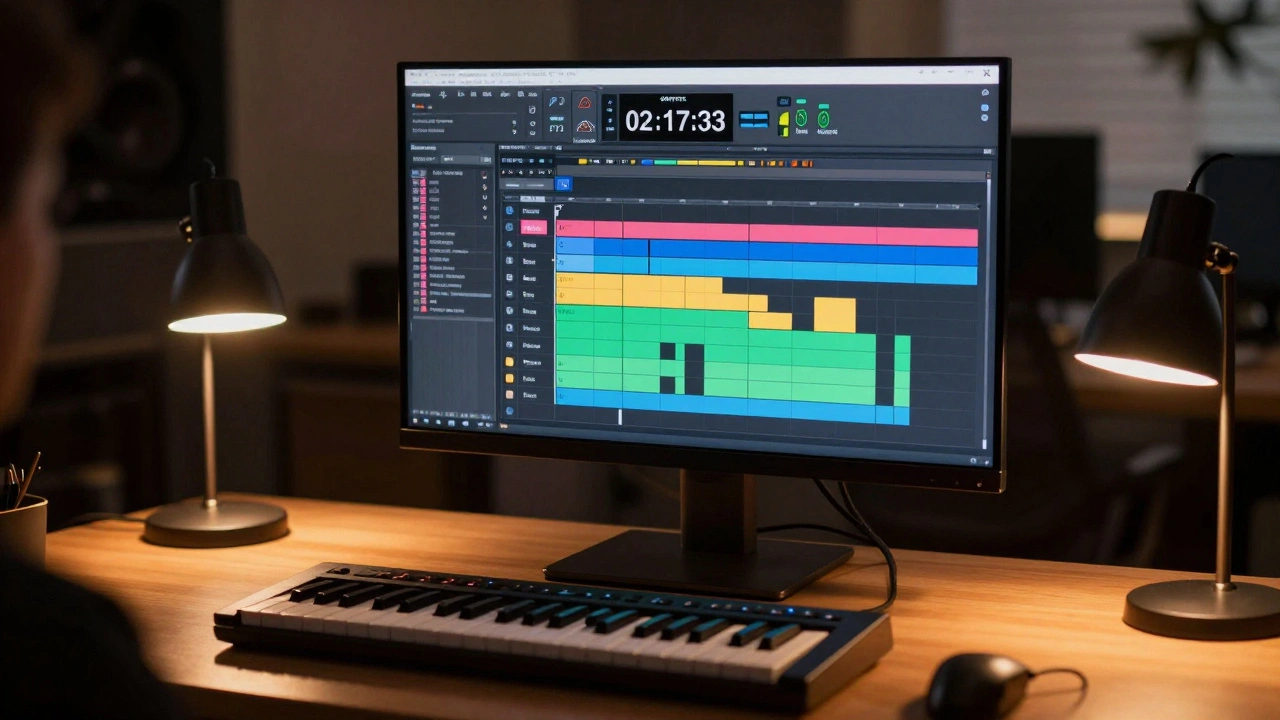
Learn the essential workflow for scoring music to picture using modern DAWs, from timecode sync and tempo mapping to track organization and delivery. Essential for film composers and music producers.