Subjective Camera: How POV Shots Shape Emotion and Story in Film
When you see a scene through a character’s eyes—blood on the lens, shaky hands, the floor rushing up—it’s not just a shot, it’s a subjective camera, a filming technique where the camera represents what a character sees, placing the viewer directly inside their experience. Also known as POV shot, it doesn’t just show action, it makes you feel it. This isn’t just a visual trick. It’s a storytelling tool that bypasses logic and goes straight to emotion. You’re not watching someone run from danger—you’re running with them, heart pounding, breath tight.
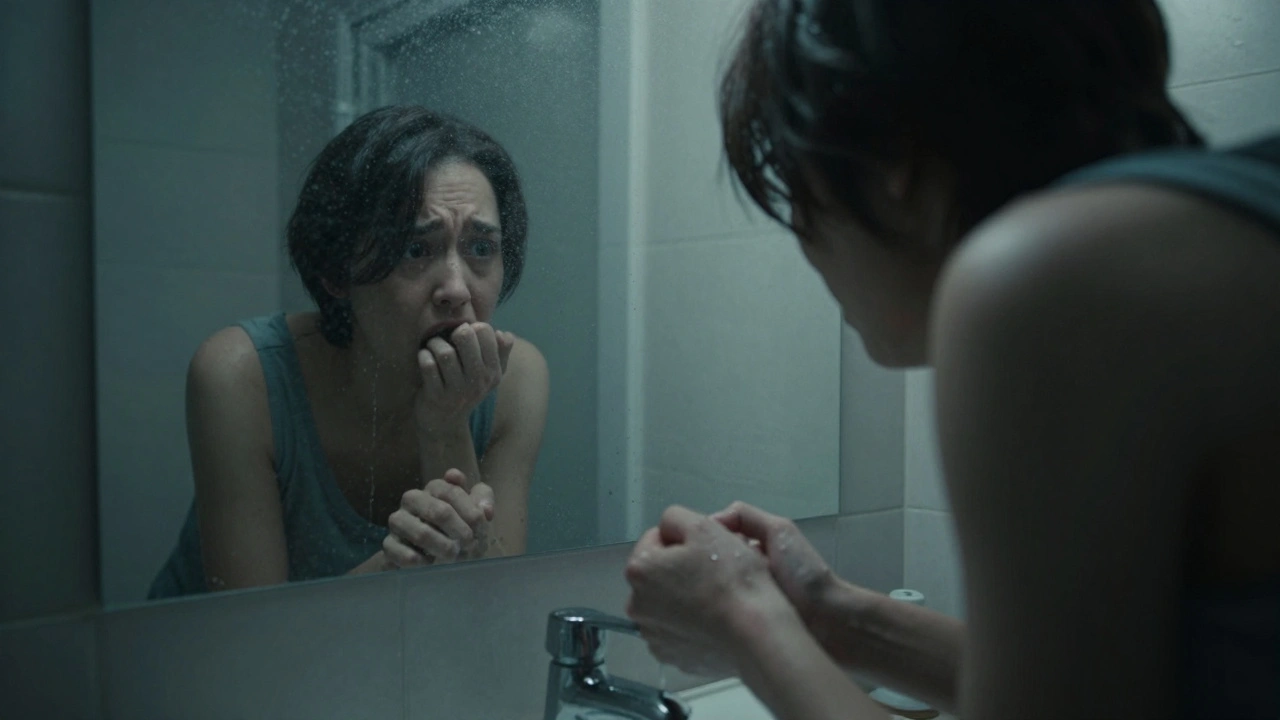
The subjective camera works because it breaks the fourth wall without breaking immersion. It’s the reason you flinch when the killer’s hand reaches into frame in Halloween, or why you feel claustrophobic in Children of Men during that single-take car chase. It’s not about fancy gear—it’s about intention. Directors use this technique to build empathy, confusion, fear, or even intimacy. When a character stares into a mirror, the camera becomes their reflection. When they’re drunk, the world tilts. When they’re dying, the edges blur. These aren’t just cinematography choices—they’re psychological contracts with the audience.
Related tools like camera movement, the way the camera shifts to guide attention, tension, or rhythm in a scene and aspect ratios, the width-to-height proportion of the frame that shapes how space feels often work alongside the subjective camera to deepen the effect. A tight 4:3 frame during a POV moment can feel like a prison. A wide lens in a first-person chase can make the world feel too big, too empty. And when you combine these with cinematography, the art of capturing light and motion to serve the story, you get moments that stick with you long after the credits roll.
You’ll find the subjective camera in horror, war films, thrillers, and even romances—anytime a filmmaker wants you to live inside someone else’s skin. It’s not about showing what happened. It’s about making you feel why it mattered. Below, you’ll find real examples from indie films and blockbusters that used this technique to turn a scene into an experience. Some used it once. Others built entire movies around it. Each one shows how powerful it is when the camera doesn’t just observe—but feels.