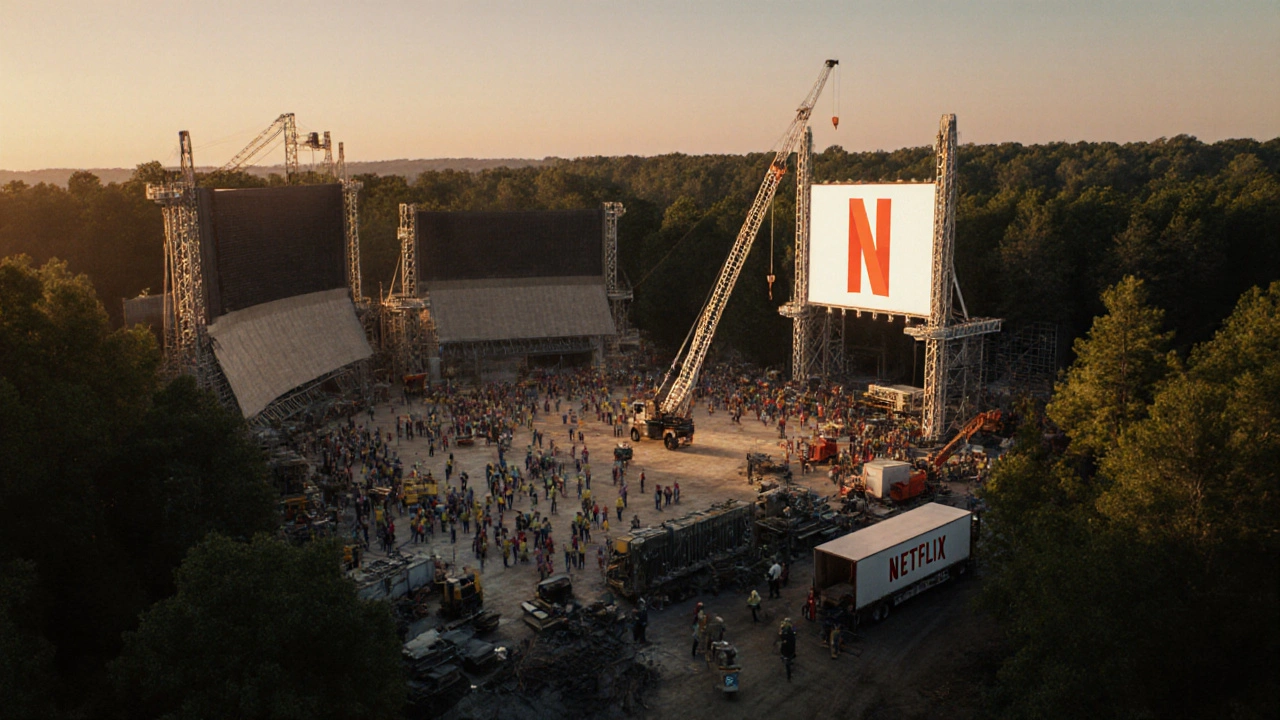
Streamer Films: How Streaming Platforms Are Redefining Movie Making
When we talk about streamer films, movies produced or acquired by streaming platforms like Netflix, Amazon, and Apple TV+ for exclusive digital release. Also known as streaming originals, they’re no longer just cheap alternatives to theaters—they’re the new standard for storytelling, production quality, and audience reach. These aren’t just TV shows with movie-length runtimes. They’re full-blown cinematic experiences made with the same crews, cameras, and ambition as anything hitting theaters—except they skip the box office and go straight to your couch.
What makes streamer films, movies produced or acquired by streaming platforms like Netflix, Amazon, and Apple TV+ for exclusive digital release. Also known as streaming originals, they’re no longer just cheap alternatives to theaters—they’re the new standard for storytelling, production quality, and audience reach. different isn’t just the platform. It’s the rules. Studios used to chase opening weekends. Streamers track completion rates. A film doesn’t need to make $50 million in its first week—it just needs to keep people watching past the third act. That’s why you see more character-driven dramas, slow-burn thrillers, and quiet indie stories now. They’re not made for crowds. They’re made for bingeing.
And it’s not just about what gets made—it’s how. production values, the overall quality of a film’s visuals, sound, and technical execution, often used to describe high-end streaming originals on Netflix and Apple TV+ now rival or beat theatrical releases. You’ll find Arri Alexa cameras, Oscar-winning cinematographers, and Dolby Atmos soundtracks on films that cost less than a blockbuster’s marketing budget. That’s thanks to virtual production, a filmmaking technique using LED walls and real-time rendering to create immersive backgrounds during shooting and open-source tools like Blender, which let indie teams build cinematic worlds without million-dollar VFX houses.
Then there’s the business side. SVOD, subscription-based video on demand services like Netflix and Hulu that charge users a monthly fee for ad-free access lets streamers invest heavily in a few big titles. Meanwhile, AVOD, ad-supported video on demand platforms that offer free content in exchange for commercial breaks lets them fill the gaps with lower-budget films that still turn a profit through ads. This split means more variety—and more chances for small films to find an audience.
And don’t forget the impact on filmmakers. You no longer need a studio deal to get seen. A director with a strong vision and a compelling pitch can land a deal with a streamer directly. That’s why you see more diverse voices, unconventional stories, and films that would’ve died in development hell ten years ago. The old gatekeepers are gone. The new ones? Algorithms and viewer data.
What you’ll find in these posts isn’t hype. It’s the real talk behind how streamer films get made, funded, marketed, and remembered. From how Netflix picks sequels to why some microbudget films outperform Hollywood, this collection cuts through the noise. You’ll learn what buyers look for, how filmmakers navigate distribution, and why the line between cinema and streaming isn’t just blurred—it’s gone.