Spanish Portuguese Co-Productions: How Film Partnerships Across Borders Work
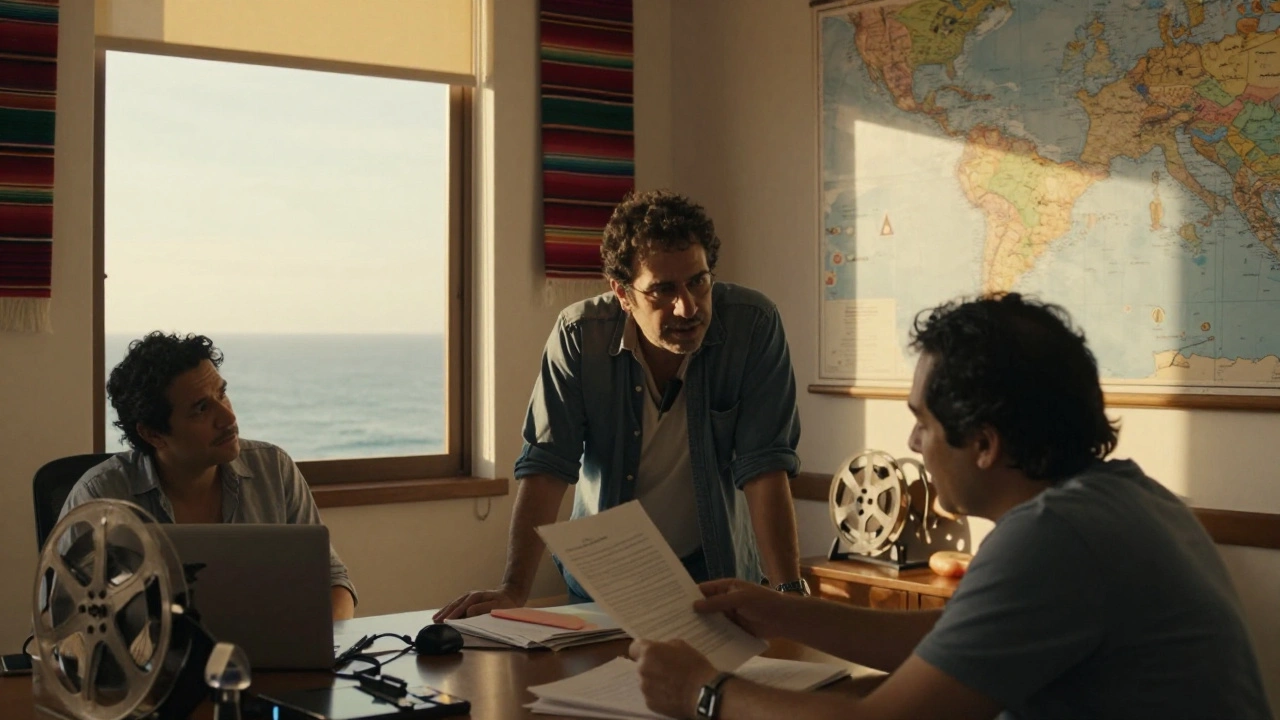
When a film starts in Madrid and finishes in Lisbon, it’s not just a coincidence—it’s a Spanish Portuguese co-production, a film jointly financed and produced by companies from Spain and Portugal, often sharing crew, talent, and funding to meet cultural and financial goals. Also known as Iberian co-productions, these projects are a quiet force in European cinema, letting smaller studios make bigger films without relying on Hollywood budgets. They’re not just about splitting costs. They’re about access—access to tax credits in both countries, access to EU film funds, and access to audiences who care about authentic regional stories.
These co-productions thrive because of film incentives, cash rebates offered by governments to studios that spend money locally on crew, equipment, and locations. Spain offers up to 40% back on eligible spending in some regions. Portugal gives 30% plus extra for shooting in less-developed areas. That’s why a film might shoot a key scene in Algarve one week and a street in Seville the next—it’s cheaper, and both countries want you there. These incentives aren’t just perks; they’re the reason films like The Invisible Man (2020) and Emilia Pérez (2024) could get made without studio backing.
It’s not just money. cross-border talent, actors, directors, and crew who work across national borders without being tied to one country’s industry are driving these projects forward. A Portuguese director might cast a Spanish actor who’s known for indie dramas. A Spanish cinematographer might team up with a Portuguese sound designer who’s won awards at Locarno. These aren’t random pairings—they’re strategic. Audiences now expect stories that feel real, not manufactured. And nothing feels more real than a film made by people who live the culture it’s showing.
These partnerships also help films qualify for international festivals. Many festivals, like San Sebastián or Berlinale, give priority to co-productions that show cultural collaboration. That’s why you’ll see Spanish and Portuguese flags side-by-side in the credits of films that win awards. It’s not just pride—it’s a business move. More visibility means more sales, more streaming deals, and more chances to get picked up by platforms like Netflix or MUBI.
What you’ll find in this collection are real stories from filmmakers who’ve navigated the messy, complicated, but deeply rewarding world of Spanish and Portuguese co-productions. You’ll read about how they got funding when banks said no, how they handled language barriers on set, and how they turned cultural differences into creative strengths. These aren’t theory pieces. They’re field reports from people who’ve been there—shooting in freezing rain in Galicia, negotiating contracts with Lisbon lawyers, and finding the perfect location because a local shop owner let them use his garage for free.