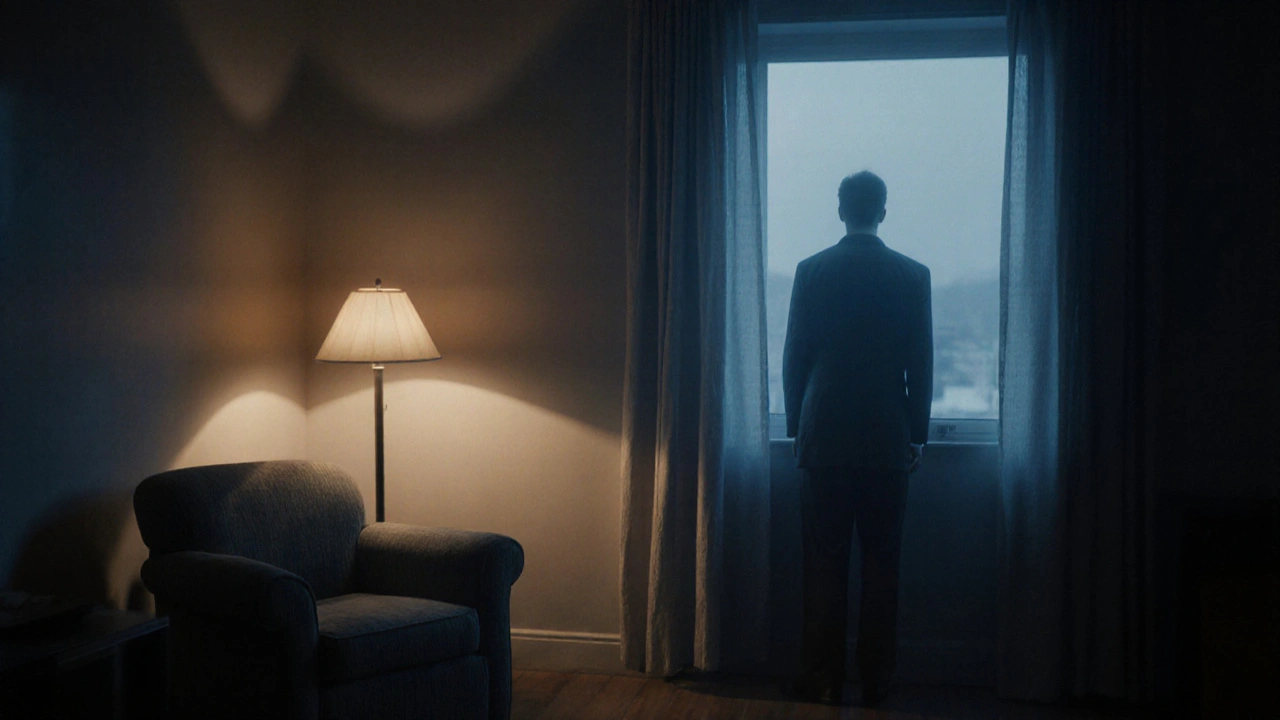
Slow-Burn Thrillers: Tension That Builds Until It Breaks
When you think of a thriller, you might picture chases, gunfights, or last-minute rescues. But slow-burn thrillers, a subgenre of thriller cinema that prioritizes psychological unease over action, using deliberate pacing and atmosphere to create lasting tension. Also known as psychological thrillers, they don’t need loud noises to make your heart race—they just need you to sit still, watch, and wait for something terrible to happen. These films work because they trust you to feel the silence. They let the camera linger on a face, let the wind rustle through empty halls, let a clock tick too loud in a quiet room. You start noticing things—what’s not said, what’s just out of frame, the way someone’s hand trembles before they pick up the phone. That’s where the real fear lives.
What makes a slow-burn thriller, a subgenre of thriller cinema that prioritizes psychological unease over action, using deliberate pacing and atmosphere to create lasting tension. Also known as psychological thrillers, they don’t need loud noises to make your heart race—they just need you to sit still, watch, and wait for something terrible to happen. work isn’t just about what happens—it’s about how long you’re forced to sit with the possibility that it might. These films rely on atmospheric cinema, a filmmaking style that uses lighting, sound design, and setting to create mood and emotional weight without dialogue or action. Think of the way a single flickering bulb in a hallway can feel more threatening than a dozen monsters. Or how the absence of music can make every footstep sound like a threat. It’s not about shock—it’s about dread. And dread sticks with you longer than any scream.
These films often need deliberate pacing, a narrative rhythm that slows down to build tension, allowing characters and audience to sit in discomfort before the climax to land. That means no quick cuts, no flashy stunts, no music cues telling you when to be scared. You’re left alone with the characters—and their growing paranoia. It’s a style that demands patience, but rewards it with something rare: a feeling that lingers long after the credits roll. You don’t just watch these movies. You live inside them for hours, maybe days.
The best ones don’t just scare you—they make you question what you saw. Was that a shadow? Did they really say that? Why did the neighbor look away? That’s the magic. And that’s why, even in a world of fast edits and constant noise, slow-burn thrillers keep finding their audience. They’re not for everyone. But if you’ve ever sat in the dark, holding your breath because you didn’t want to miss a single sound—you know exactly what they’re for.
Below, you’ll find real-world breakdowns of how these films are made, what makes them stick, and how filmmakers turn silence into terror. No fluff. Just the tools, the tricks, and the truths behind the tension.