Set Dressing in Film: What It Is and Why It Matters
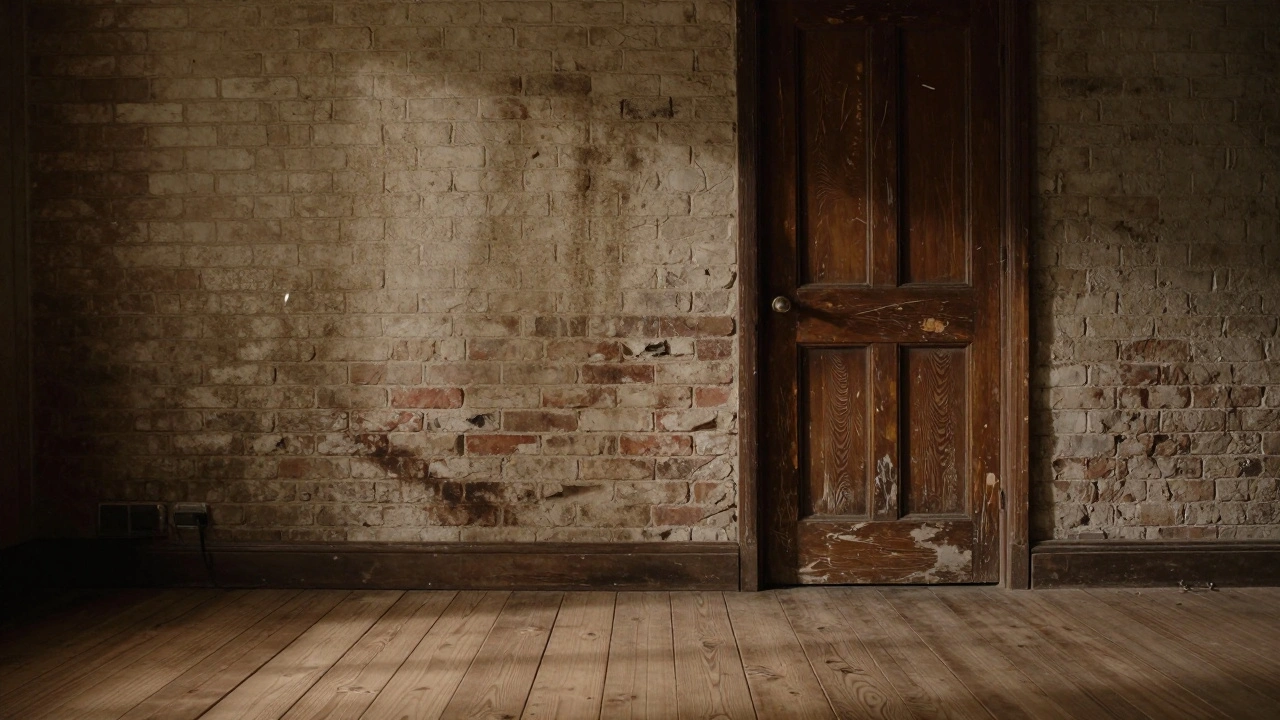
When you watch a movie and feel like you’re really inside someone’s home, office, or alien spaceship, you’re not just seeing the set—you’re seeing set dressing, the collection of objects, textures, and details added to a film set to make it feel lived-in and authentic. Also known as prop placement, it’s the quiet hero of visual storytelling. Without it, even the most expensive set looks like a empty stage. Set dressing isn’t about big props or special effects. It’s the coffee mug on the desk, the peeling wallpaper in a rundown apartment, the faded family photo on the nightstand. These aren’t random choices. Every item is selected to tell a story before a single line of dialogue is spoken.
Set dressing works hand-in-hand with production design, the overall visual concept of a film’s environment, including architecture, color schemes, and spatial layout. While production design decides the shape of the room, set dressing fills it with personality. Think of it like clothing for a set. A detective’s apartment might have a dusty typewriter, half-empty whiskey bottles, and a single framed photo of a woman—each piece hinting at a past, a habit, a loss. In contrast, a tech CEO’s office might have minimalist furniture, a single abstract painting, and a tablet charging silently on a glass table—no clutter, no emotion, just control. These choices aren’t accidental. They’re built by a team of set dressers who study scripts, research locations, and sometimes spend weeks sourcing real vintage items just to get the right shade of yellow on a 1970s lamp.
It’s not just about realism. Set dressing influences how actors move, how the camera sees them, and how the audience feels. A cluttered kitchen in a horror film creates tension. A bare, cold waiting room in a drama makes loneliness louder. Even the direction a book is facing on a shelf can hint at a character’s state of mind. That’s why set dressing is one of the most overlooked but essential parts of filmmaking. You won’t see it in the credits as often as the director or cinematographer, but you’ll feel it in every scene.
Behind every great film set is a team of people who know where to find the right rug, the right poster, the right broken toy. They work with limited budgets, tight schedules, and zero room for error. One wrong detail—a modern phone in a 1985 scene, a brand logo that didn’t exist yet—can break the spell. That’s why the best set dressing disappears. You don’t notice it. You just believe it.
In the posts below, you’ll find real-world examples of how set dressing shapes storytelling—from low-budget indie films stretching every dollar to blockbusters building entire worlds from scratch. You’ll see how props become character clues, how cultural details anchor authenticity, and how even the smallest object can carry the weight of a scene. Whether you’re a filmmaker, a film student, or just someone who notices the little things on screen, this collection shows you how the quiet details make the biggest impact.