Worst Sequels in Cinema History and Why They Failed
Some movie sequels destroy legacies instead of honoring them. Discover why films like Spider-Man 3, Alien 3, and Star Wars: Episode II failed so badly-and what makes a great sequel instead.
When a movie hits big, studios don’t just celebrate—they rush to make a sequel, a follow-up film designed to capitalize on the original’s success. Also known as franchise extensions, these movies are supposed to build on what worked, but too often they end up as sequel disasters, box office flops or critical failures that damage the original’s legacy. It’s not just about bad writing or weak acting—it’s a systemic problem rooted in greed, timing, and a misunderstanding of what made the first film matter.
What makes a sequel disaster, a follow-up film that disappoints audiences and critics alike isn’t always the budget or the cast. It’s the lack of a real reason to exist. Many sequels are greenlit because the first movie made money, not because there’s a story worth telling. You see it in the rushed production schedules, the recycled plot beats, and the forced return of characters who were better off gone. Film franchises, long-running series built around a single property or universe often become victims of their own success. The pressure to keep the machine running leads to sequel fatigue, when audiences stop caring because every new installment feels the same. And it’s not just about numbers—when a sequel tanks, it doesn’t just lose money. It erodes trust. Fans stop showing up. Critics stop reviewing. Even the original film starts to look worse by comparison.
But here’s the thing: not all sequels fail. Some, like The Godfather Part II or Mad Max: Fury Road, didn’t just survive—they improved on the original. What’s the difference? They had a clear purpose. They didn’t just rehash. They expanded. They took risks. They trusted the audience to care about more than explosions or nostalgia. The best sequels aren’t cash grabs—they’re creative commitments. And that’s what separates the disasters from the classics.
What you’ll find below isn’t just a list of bad follow-ups. It’s a collection of real case studies—movies that blew up, movies that fizzled, and the behind-the-scenes decisions that made all the difference. From studio pressure to fan backlash, from marketing missteps to creative burnout, these stories show why sequels keep failing… and how a few still manage to get it right.
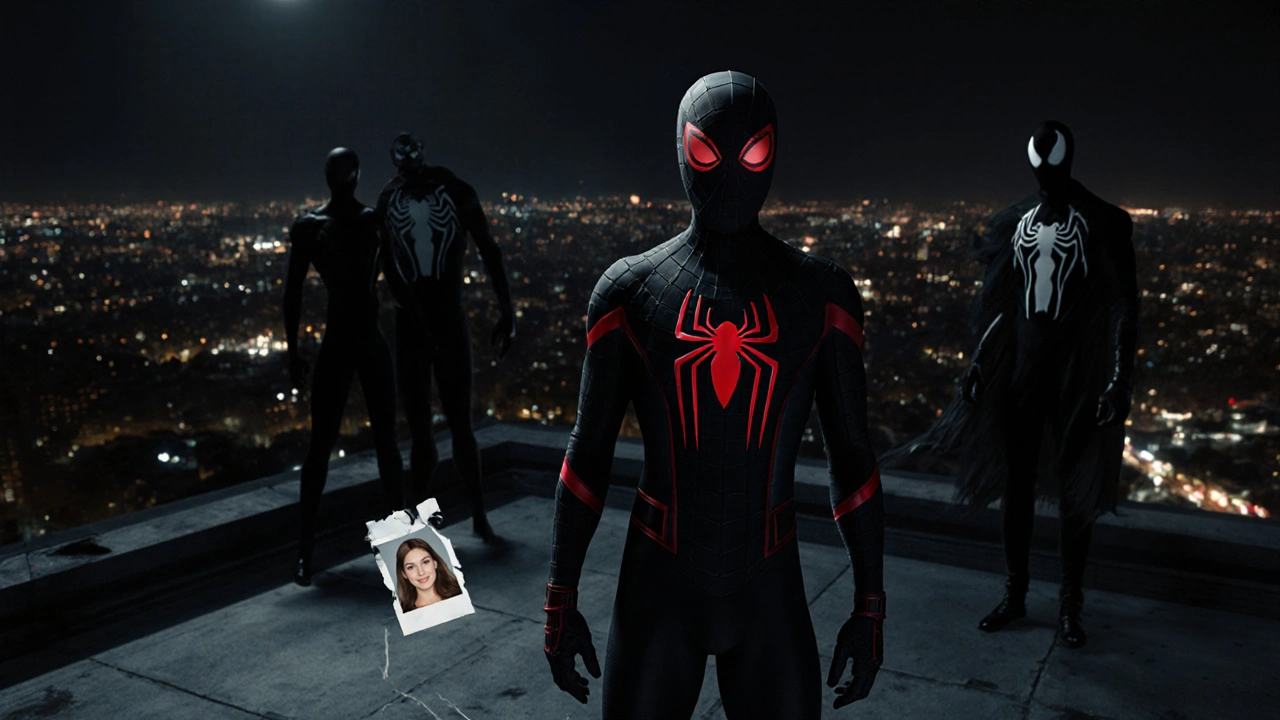
Some movie sequels destroy legacies instead of honoring them. Discover why films like Spider-Man 3, Alien 3, and Star Wars: Episode II failed so badly-and what makes a great sequel instead.