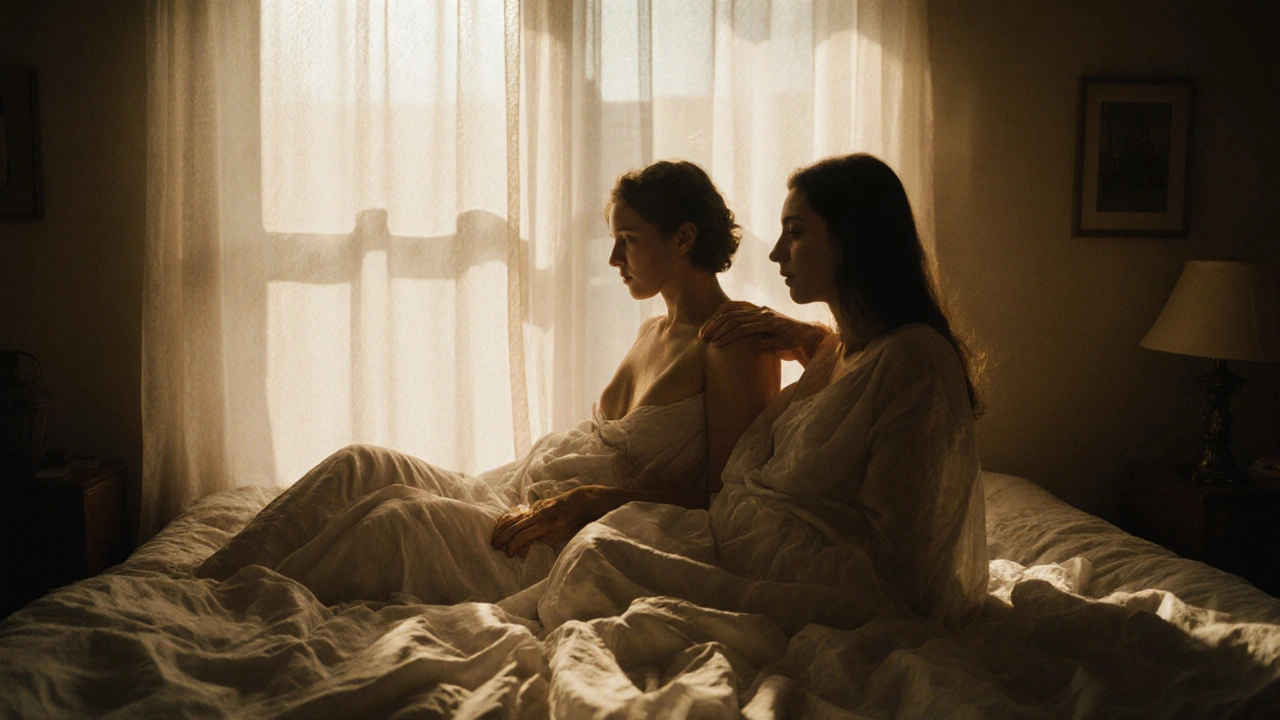
Sensual Film: What Makes a Movie Feel Intimate, Not Just Explicit
When we talk about sensual film, a type of cinema that prioritizes emotional and physical intimacy over explicit content. Also known as intimate cinema, it’s not about what’s shown—it’s about what’s felt. A hand brushing against a shoulder, the weight of a glance, the pause before a kiss—these are the real tools of sensual storytelling. You won’t find this in every love scene. In fact, the most powerful moments often happen when nothing at all is happening. Think of the silence between two characters in Call Me by Your Name, or the way light falls across skin in Blue Valentine. These aren’t erotic scenes. They’re emotional ones, built on atmosphere, not exposure.
erotic storytelling, the art of suggesting desire without showing it. Also known as tactile cinema, it relies on sound design, lighting, and pacing to make the audience lean in. A wet shirt, a slow breath, the rustle of sheets—these details do the work. Compare that to films that cut to nudity right away. What you lose is tension. What you gain is connection. The best sensual films understand that desire lives in the spaces between actions, not in the actions themselves. This is why films like Portrait of a Lady on Fire or Amour stick with you long after the credits roll—they make you feel the heat without lighting a match. And it’s not just about romance. Sensual film can be found in the way a chef prepares food, the way a dancer moves alone in a studio, or how a mother strokes her child’s hair in the dark. It’s about presence. About being fully in the moment. That’s why many of the most emotionally powerful scenes in cinema don’t involve sex at all—they involve touch, time, and attention.
What you’ll find in this collection are films and filmmakers who treat intimacy like a language. You’ll see how directors use lighting to shape mood, how actors build chemistry without words, and how editors stretch a single glance into an entire emotional arc. You’ll also find insights into how these techniques are used across genres—from horror to drama to documentary—because film atmosphere, the emotional environment crafted through visuals, sound, and pacing. Also known as cinematic mood, it’s the invisible force that makes a scene linger doesn’t care about genre. It only cares about truth. And truth, more often than not, is quiet.
These aren’t just movies about love. They’re about how we connect—how we miss each other, how we find each other, how we hold on. And if you’ve ever sat through a film and felt your skin hum with recognition, you already know what a sensual film can do. The ones here don’t shout. They whisper. And that’s why they’re impossible to forget.