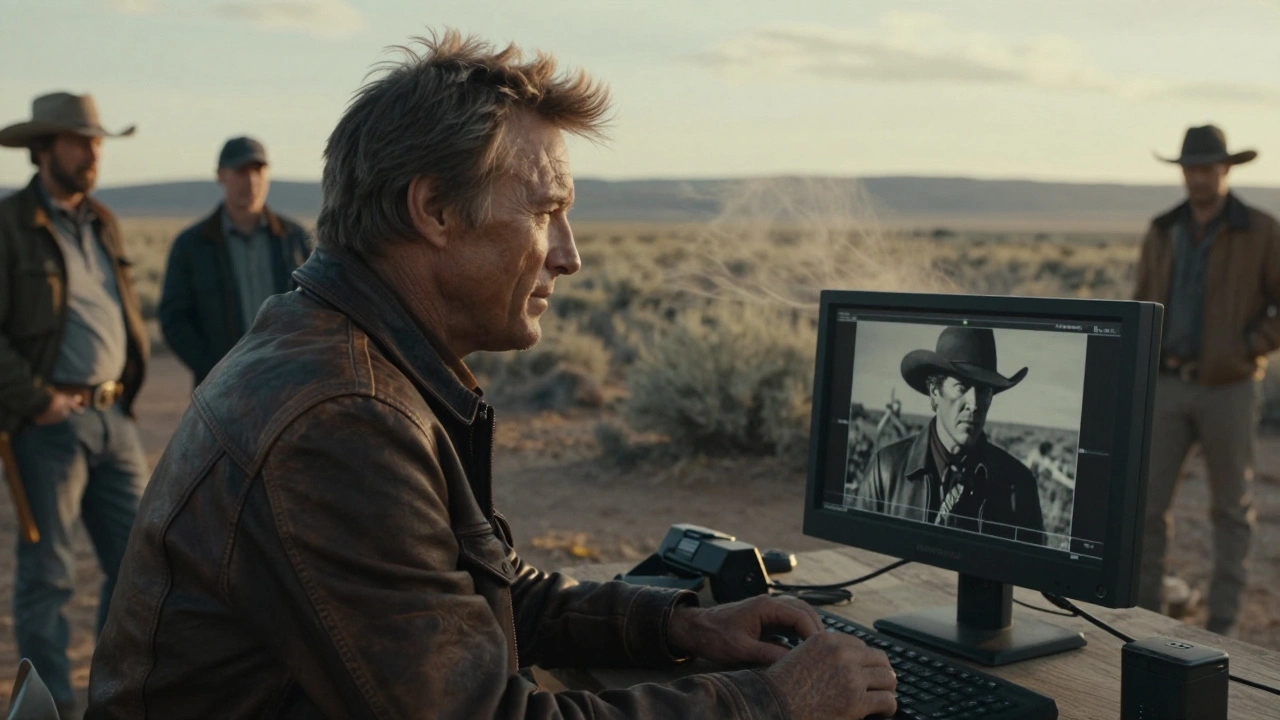
Self-Directed Films: How Independent Creators Take Control of Their Stories
When someone makes a self-directed film, a movie where the same person writes, directs, and often produces the project. Also known as writer-director projects, it’s not just a shortcut—it’s a full creative takeover. These films cut out the middlemen, letting the filmmaker shape every frame, line of dialogue, and edit without compromise. This isn’t just for film school grads with a camera and a dream. It’s a real, growing path for storytellers who refuse to wait for permission.
Self-directed films often come from tight budgets, but that’s where the magic happens. Without studio pressure, filmmakers experiment with pacing, tone, and structure. Think of Primer by Shane Carruth or Little Miss Sunshine by Jonathan Dayton and Valerie Faris—both made with minimal resources but maximum creative freedom. These creators didn’t just direct scenes; they built entire worlds from scratch, often handling editing, sound design, or even cinematography themselves. That’s why self-directed films feel different—they carry the raw fingerprint of one person’s vision.
It’s not easy. Juggling writing, casting, scheduling, and shooting on a shoestring takes serious stamina. But tools like affordable digital cameras, free editing software, and platforms like Vimeo and YouTube have made it possible for anyone with a story to reach an audience. The rise of film festivals like Sundance and SXSW, which regularly spotlight self-directed works, proves this isn’t a niche trend—it’s reshaping what cinema can be.
Behind every self-directed film is a person who refused to wait. They didn’t have a development deal or a greenlight from a boardroom. They just started shooting. And now, hundreds of filmmakers are doing the same—turning basement apartments into sets, friends into cast members, and passion into pictures. What you’ll find in this collection are real stories from people who made it happen: how they wrote their scripts, fought for control, solved problems on set, and got their films seen. No fluff. No theory. Just the gritty, practical truth of making cinema on your own terms.