Script Evaluation: How to Judge a Screenplay’s Strengths and Flaws
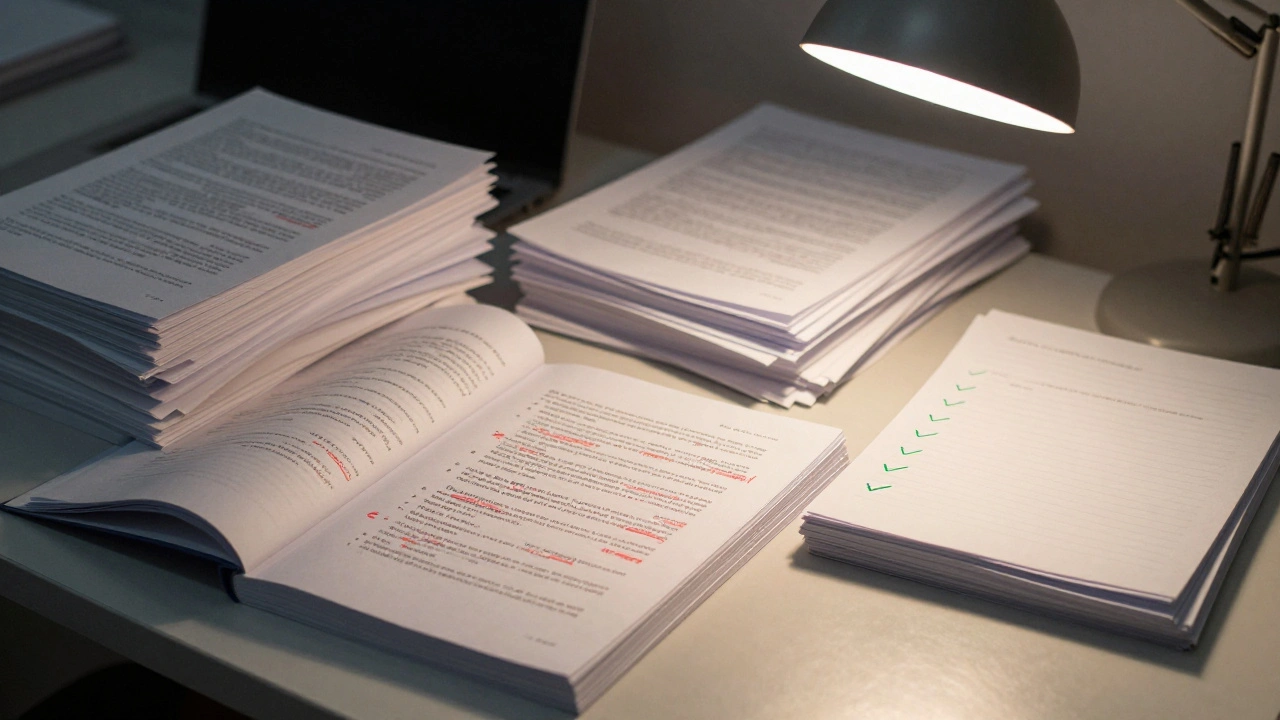
When you hear script evaluation, the process of analyzing a screenplay’s narrative, structure, and emotional impact to determine its viability for production. Also known as screenplay analysis, it’s not about whether the writing sounds pretty—it’s about whether the story holds up under pressure. A great script doesn’t need fancy dialogue. It needs clear stakes, consistent logic, and characters who feel real. Too many writers focus on the first 10 pages and forget the rest of the script has to earn its runtime.
Script evaluation isn’t just for studio readers or producers. It’s something every filmmaker, writer, or even passionate fan should understand. A weak script can sink a $100 million movie. A strong one can launch a career. The best evaluations look at five things: story structure, the backbone of every film—setup, conflict, turning points, and resolution, character development, how the protagonist changes—or fails to change—over the course of the story, and dialogue, whether it sounds like real people talking or just exposition dressed up as conversation. These aren’t just checklists. They’re the bones of what makes a script breathe.
Look at any successful film, and you’ll find a script that passed tough evaluation. Think of The Power of the Dog—its quiet tension comes from a script where every line, every silence, serves the theme of repression. Or Get Out—its horror works because the script never lets you forget the social commentary hiding in plain sight. Script evaluation doesn’t care about budget or stars. It cares about whether the story makes sense from start to finish, whether the characters act like real people under pressure, and whether the audience feels something by the end.
Many writers think a good script is one that’s original. But originality without structure is just noise. A script can be wild, weird, or even absurd—and still fail if the logic breaks down halfway through. That’s why script evaluation is so brutal. It doesn’t reward ambition. It rewards clarity. It doesn’t care if you wrote it in your garage. It cares if the audience can follow it, feel it, and remember it.
Below, you’ll find real-world breakdowns of how scripts work—or don’t. From how theme drives every choice in a scene, to why some films lose their way in the second act, to how dialogue can make or break a character. These aren’t theory pieces. They’re practical reviews from people who’ve read hundreds of scripts and know what sticks—and what gets tossed.