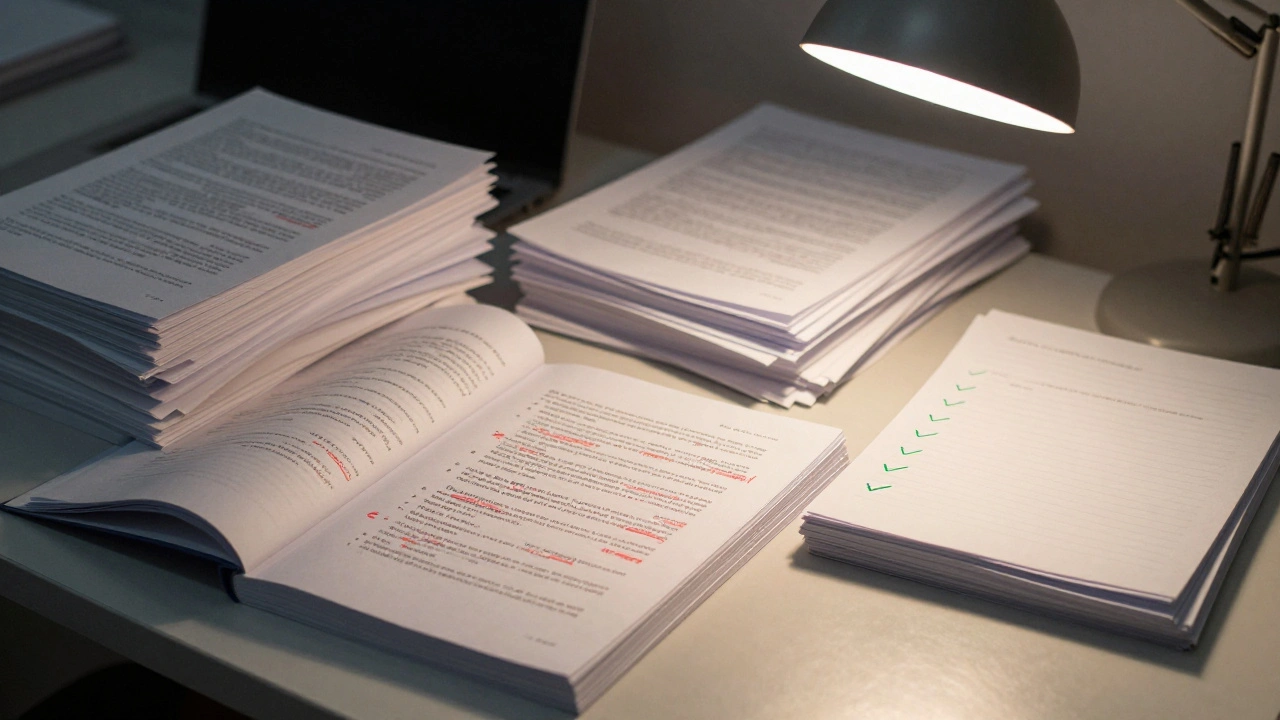
Screenplay Strengths: What Makes a Script Unputdownable
When we talk about screenplay strengths, the core qualities that make a script compelling, clear, and cinematic. Also known as scriptwriting fundamentals, it’s not about fancy formatting or poetic monologues—it’s about making every scene pull its weight. A strong screenplay doesn’t just list events; it builds tension, reveals character through action, and leaves the audience feeling something long after the credits roll.
One of the biggest story structure, the underlying framework that organizes plot beats and pacing in a script mistakes is thinking you need a twist to stand out. Real strength comes from clarity: a clear goal for the protagonist, escalating stakes, and a payoff that feels earned. Look at any script that sticks—the hero’s journey isn’t about following a formula, it’s about making the audience believe the character’s transformation is real. And that’s tied directly to character arc, how a main character changes emotionally and morally over the course of the story. Weak scripts have people who react. Strong ones have people who evolve.
Then there’s dialogue writing, the art of crafting speech that reveals personality, advances plot, and sounds like real people talking. Too many writers think great dialogue means clever lines. It doesn’t. It means saying less, implying more, and letting silence speak. Think of the quiet moments in The Power of the Dog or Manchester by the Sea—the tension isn’t in what’s said, it’s in what’s held back. That’s the power of restraint. And it’s not luck. It’s craft.
Screenplay strengths aren’t about rules. They’re about purpose. Every scene should either reveal character or move the plot forward—never both at once unless it’s seamless. Every line of dialogue should serve a hidden need. Every beat should feel inevitable, not forced. The best scripts make you forget you’re reading a script. They make you feel like you’re watching a life unfold.
What follows here isn’t a checklist. It’s a collection of real examples, breakdowns, and lessons from scripts that worked—because they got the fundamentals right. You’ll find deep dives into how structure holds up under pressure, how characters earn their change, and why the quietest moments often hit the hardest. Whether you’re writing your first draft or rewriting your tenth, these posts will show you what separates a good script from one that sticks.