Screenplay Coverage: What It Is and Why It Matters in Film Development
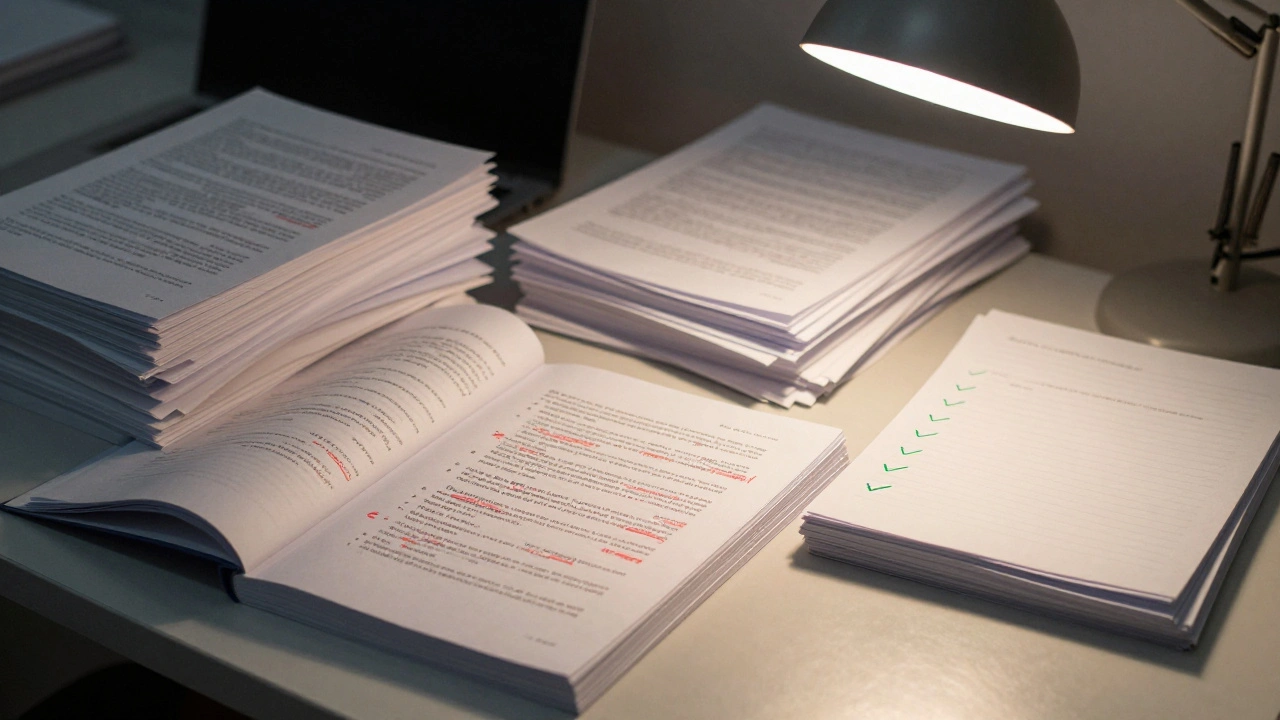
When a studio or producer gets a new script, they don’t just read it and say yes or no. They send it to a screenplay coverage, a professional evaluation that summarizes a script’s strengths, weaknesses, and commercial potential. Also known as script notes, it’s the first real filter between an idea and a movie. This isn’t a review—it’s a business tool. Someone with experience in development reads the script, breaks it down by structure, character, pacing, and marketability, then writes a report that answers one question: Is this worth investing in?
Screenplay coverage isn’t just for big studios. Indie producers, film festivals, and even crowdfunding campaigns rely on it to avoid wasting time on scripts that won’t work on screen. A good coverage report doesn’t just say "this is bad." It explains why: the protagonist lacks motivation, the third act collapses, the dialogue feels forced. It’s not about personal taste—it’s about whether the story can hold an audience, attract talent, and earn money. And yes, it’s often the reason your script got rejected, even if it felt perfect to you.
Behind every piece of coverage is a script reader, a trained professional who evaluates screenplays for production companies, agencies, or development firms. These aren’t just fans—they’re often former writers, assistants, or film school grads who’ve learned how to spot what works and what doesn’t in under an hour. Their notes feed into decisions that affect everything from casting to budgeting. And while coverage can feel impersonal, it’s also how many writers get their first break: a strong script with solid coverage catches the eye of a producer who’s looking for something fresh.
It’s not perfect. Coverage can be inconsistent—some readers are too harsh, others too easy. Some miss nuance because they’re rushing through ten scripts a day. But when done right, it’s the most efficient way to sort through the noise. It’s the reason you see so many similar plots in theaters: studios aren’t copying each other—they’re all reading the same coverage reports and betting on what the data says will sell.
What you’ll find in the posts below are real-world examples of how coverage shapes films before they’re even shot. You’ll see how theme in screenwriting affects a script’s coverage score, how industry awards and festival selections often start with a strong coverage report, and why some scripts get passed on even when they’re well-written. You’ll also learn how to write your own coverage, how to respond to feedback, and what producers look for when they’re scanning those one-page summaries. This isn’t about gatekeeping—it’s about understanding the system so you can work within it—and maybe, one day, change it.