Release Forms: What Filmmakers Need to Know About Legal Paperwork for Production
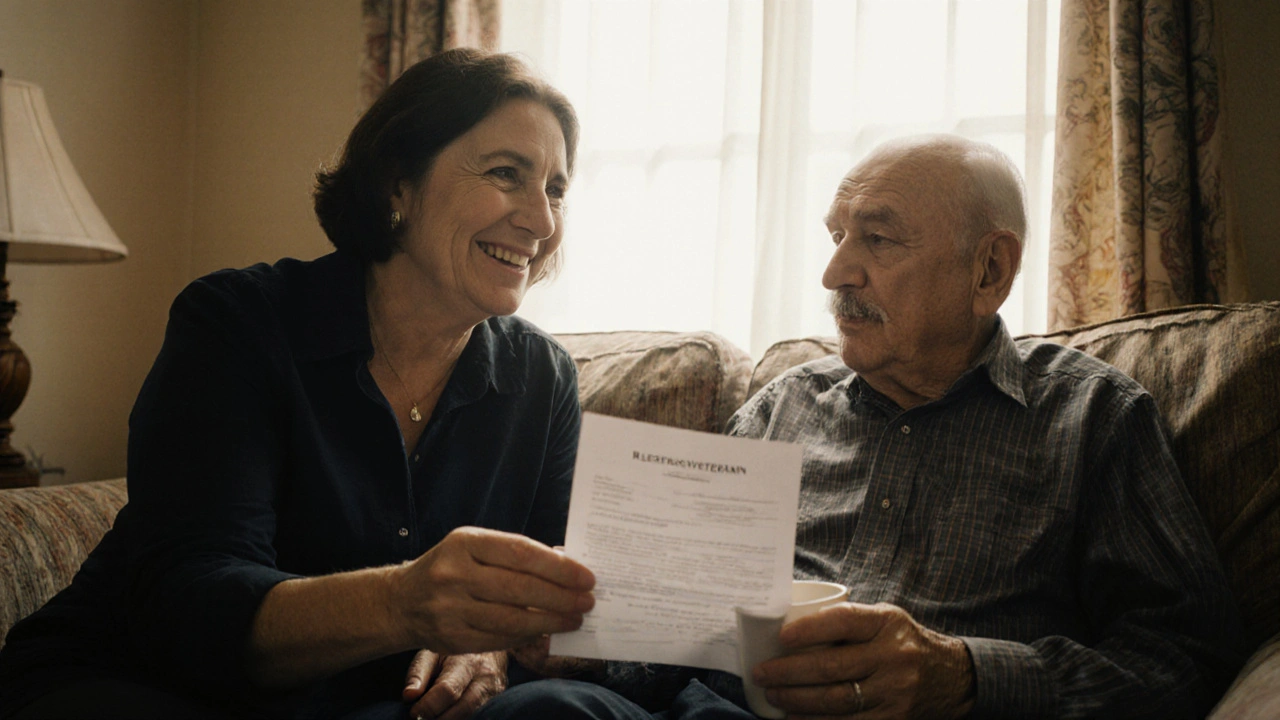
When you’re shooting a film, release forms, legal documents that grant permission to use someone’s image, voice, or property in your film. Also known as talent releases or location releases, they’re not optional—they’re the difference between finishing your movie and getting sued. Whether you’re filming a friend talking to the camera in their kitchen or capturing a street scene in a public park, if someone recognizable appears or you use private property, you need a signed form. Skipping this step doesn’t make your film indie—it makes it risky.
There are three main types of release forms that come up over and over in independent film: talent releases, agreements that let you use a person’s likeness, voice, or performance in your project, location releases, permissions to film on private property like homes, shops, or warehouses, and music releases, written consent to use copyrighted songs or sound recordings. Each one serves a different purpose, but they all share the same goal: protecting you from claims later. A parent signing for a child, a business owner letting you film outside their store, a musician approving your use of their track—none of these happen by accident. You need a signed, dated, and witnessed form. No text messages. No verbal nods. No "I’ll send it later."
What’s surprising is how often even experienced filmmakers mess this up. They think, "It’s just a quick shot," or "They’re a friend," or "No one will ever see this." But distributors, festivals, and streaming platforms all require proof of clear rights before they’ll touch your film. Without proper releases, your movie sits on a hard drive. It doesn’t matter how good the cinematography is, how strong the director attachment is, or how brilliant your pitch to streamers looks—you can’t sell what you don’t legally own. That’s why the best indie producers treat release forms like they treat their camera gear: they carry them everywhere, they check them before every shoot, and they never assume.
And it’s not just people and places. If you’re filming a sign on a building, a branded car, or even a recognizable painting on a wall, you might need a property release. You don’t always need one for background blur in a wide shot—but if someone’s face is clear, or a logo fills the frame, you’re in gray area territory. The safest move? Get it signed. It takes five minutes. It costs nothing but paper and a pen. And it saves you months of legal headaches down the road.
The posts below cover real-world examples of how filmmakers have handled release forms—from the ones that saved their projects to the ones they ignored and regretted. You’ll find templates, common mistakes to avoid, how to handle reluctant signers, and what to do when someone refuses. Whether you’re shooting your first short or preparing for your next festival submission, this collection gives you the practical, no-fluff guidance you need to protect your work before the credits roll.